



Queen Anne Buffet
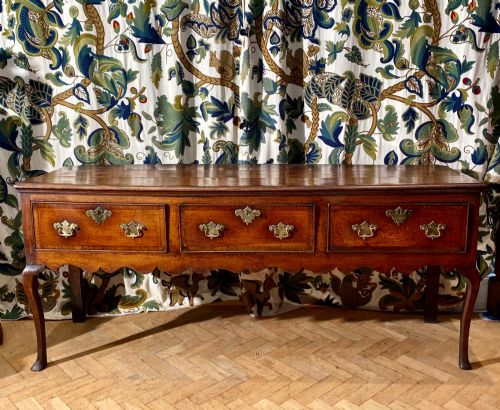
These queen anne buffet pieces bring timber warmth and purposeful storage to a room, ranging from eighteenth-century oak dresser bases to walnut revival servers.
Queen Anne Buffet
A queen anne buffet encompasses low sideboards, servers, and side cabinets designed for domestic service and storage. When buyers search for a queen anne buffet, they encounter pieces spanning eighteenth-century origins through early twentieth-century revivals.
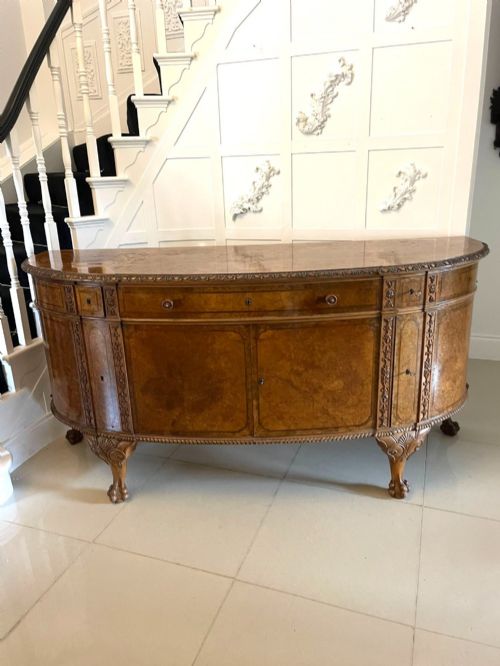
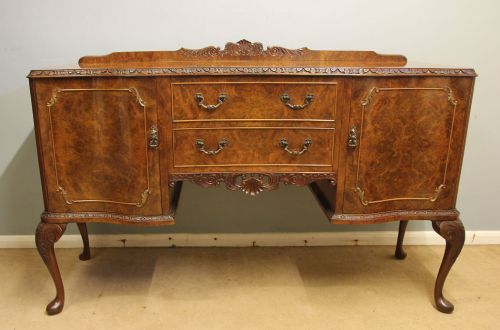
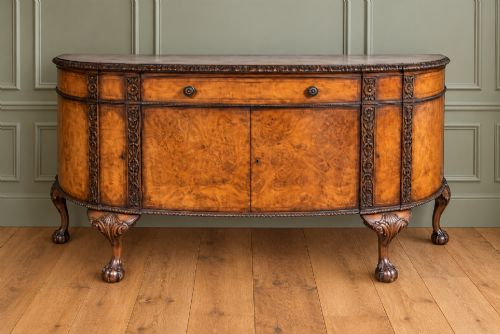
The dominant forms on this page include walnut servers, bow-fronted sideboards, and side cupboards. Oak dresser bases and mahogany cupboards also appear alongside serpentine servers equipped with cutlery sets.
How they were made
Construction relies heavily on walnut, burr walnut veneer, and oak, often paired with brass hardware and marble surfaces. Cabinetmakers utilised figured and burr walnut veneers over solid hardwood carcases to create dramatic grain patterns.
Revival pieces from the early twentieth century employ traditional crossbanding and carved detailing alongside server formats. Eighteenth-century examples demonstrate simpler solid oak construction suited to provincial dresser bases.
Queen Anne Buffet Retail Price Guide 2026
Typical asking prices for queen anne buffet among the pieces listed under this phrase on Sellingantiques today, from the lower quarter to the upper quarter. They describe what is for sale here now, not the wider market.
Materials recorded across the inventory include brass, marble, solid oak, hardwood, and figured burr walnut veneer.
What varies in quality
Quality rests on timber selection and veneer matching, distinguishing plain surfaces from richly figured burr walnut and crossbanded detailing. Superior examples exhibit precise proportions and careful alignment of serpentine or bow fronts.
Hardware choices and structural joinery separate standard production from exceptional revival pieces, such as those associated with Epstein. Original brass fittings and intact marble tops elevate the standing of a server.
Epstein
The Queen Anne Buffet Glossary
- Burr walnut
- A figured timber veneer sliced from walnut tree growths, prized for its swirling grain patterns. It forms the primary decorative surface on many revival sideboards.
- Dresser base
- A low wooden storage unit with drawers or cupboards, originating in the eighteenth century. These pieces pre-date formal sideboards and provide wide timber surfaces.
- Crossbanded
- A decorative framing technique where veneer strips run perpendicular to the main grain. This method borders the top surfaces of walnut sideboards.
- Serpentine front
- A cabinet face curved outward at the ends and inward at the centre. This undulating shape requires advanced woodworking skill.
- Revival
- A design movement recreating historical styles, notably the Queen Anne aesthetic during the early twentieth century. These later pieces adapt eighteenth-century motifs for modern dining spaces.
Queen Anne Buffet: Frequently Asked Questions
What is a queen anne buffet used for?
These pieces function as serving tables, sideboards, and storage cabinets for dining rooms and hallways. They provide surface space for food presentation and cupboards for tableware.
Many variants include fitted drawers or internal compartments designed specifically for cutlery sets. Their low proportions keep sightlines open while offering substantial interior volume.
How do I date a walnut buffet?
Dating relies on construction methods, timber types, and the specific revival era of the piece. Eighteenth-century examples feature solid oak carcases and hand-cut joinery.
Twentieth-century revival pieces utilise burr walnut veneers, machine-cut elements, and styles from the 1900s to the 1930s. Brass hardware styles and secondary timbers also provide clues to age.
Where should I place a side cabinet?
A side cabinet fits well in dining rooms, living spaces, or wide hallways where surface area is useful. Their shallow depth allows them to sit against walls without obstructing walkways.
Keep wooden items away from direct heat sources and strong sunlight to protect walnut veneers and polished finishes.
What is the difference between a server and a sideboard?
Servers generally feature a more compact footprint and lighter proportions compared to traditional sideboards. They are designed primarily for holding dishes during a meal.
Sideboards often incorporate larger cupboard spaces and more extensive drawer arrangements for permanent storage. Both forms appear across the walnut and oak selections.