






Qing Style Ceramic Lamp
A qing style ceramic lamp brings centuries of imperial porcelain into a room, offering warm light and hand-painted artistry.
Qing Style Ceramic Lamp
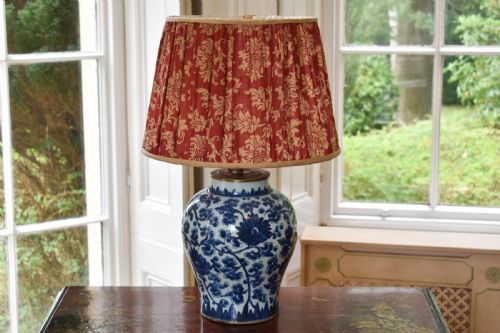
A qing style ceramic lamp repurposes antique and nineteenth-century Chinese vases into practical table lighting for modern interiors. These pieces take traditional forms such as baluster vases, ginger jars, and lidded vessels, transforming them into functional household objects.
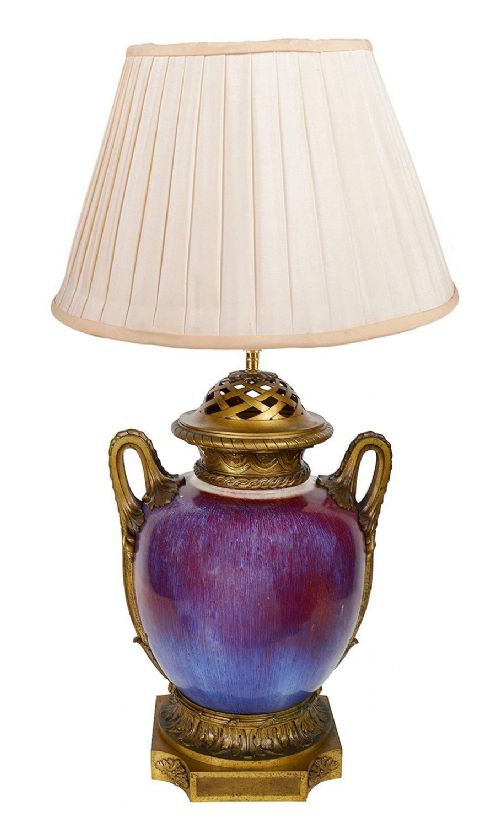
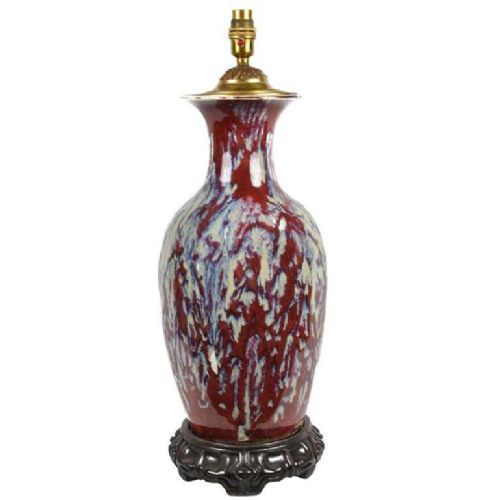
Buyers most frequently encounter nineteenth-century pieces decorated in classic palettes, including blue and white, Famille Verte, Famille Rose, and monochrome glazes like Sang de Boeuf and celadon. Many incorporate mounts of brass, ormolu, or gilt metal alongside fabric or silk shades.
The objects span periods from the eighteenth century to the early twentieth century, reflecting both original Qing Dynasty production and later nineteenth-century revival styles. They serve as striking focal points on desks, sideboards, and occasional tables.
Materials and construction
The bodies of these lamps consist of fired porcelain and ceramic, shaped by hand on the potter's wheel before receiving intricate hand-painted pigments and transparent glazes. Potters utilised cobalt for blue and white designs, alongside polychrome enamel palettes for Famille Verte and Famille Rose motifs.
Many examples feature metal mounts cast in brass, ormolu, or gilt bronze to secure the electrical fittings and elevate the ceramic base. Silk and fabric shades complete the construction, casting a diffused light that highlights the crackleware textures and surface crackles of the glaze.
Qing Style Ceramic Lamp Retail Price Guide 2026
Typical asking prices for qing style ceramic lamp among the pieces listed under this phrase on Sellingantiques today, from the lower quarter to the upper quarter. They describe what is for sale here now, not the wider market.
Listings feature nineteenth-century porcelain alongside eighteenth-century forms, mounted with brass, gilt bronze, and silk.
Quality and craftsmanship
Quality rests in the precision of the hand-painted decoration, where finer pieces display crisp brushwork, vibrant enamel saturation, and balanced compositions across the ceramic surface. The depth and consistency of monochrome glazes, such as celadon or Sang de Boeuf, also distinguish superior examples.
The integration of metal mounts plays a role in overall refinement, with finely chased ormolu and substantial gilt bronze mountings indicating higher status than basic brass fittings. Additionally, the preservation of the original ceramic body without heavy restoration dictates the standing of the piece.
The Qing Style Ceramic Lamp Glossary
- Famille Verte
- A polychrome ceramic palette dominated by green enamels, developed during the Qing Dynasty. It often depicts floral and figural scenes.
- Crackleware
- A type of ceramic glaze characterised by a network of fine cracks or crazing intentionally created during the cooling process. This technique adds texture and depth to the surface.
- Ormolu
- Finely ground high-carat gold-mercury amalgam applied to a bronze or brass base, creating a rich golden finish. It is commonly found on mounts and decorative fittings.
- Sang de Boeuf
- A deep red monochrome glaze resembling ox-blood, achieved through copper reduction firing in the kiln. It remains prized for its rich tonal gradations.
Qing Style Ceramic Lamp: Frequently Asked Questions
How do I clean a ceramic lamp?
Dust the porcelain body gently with a dry, soft microfibre cloth to remove everyday particles without disturbing the surface.
Avoid using harsh chemical cleaners or abrasive sponges, as these can damage hand-painted enamel decorations and delicate glazes.
Can these lamps take modern bulbs?
Most wired examples accept standard contemporary screw or bayonet bulbs compatible with the existing lamp holder fittings.
Consult a qualified electrician if you need to adapt the wiring or ensure the internal components meet current safety standards.
What is a ginger jar lamp?
A ginger jar lamp utilises a rounded porcelain container originally made for storing spices as the main body for table lighting.
These jars typically feature wide shoulders and fitted bases, often paired with custom silk shades for a balanced silhouette.
How are periods identified?
Dating relies on stylistic characteristics, glaze types, and the method of porcelain construction observed across the piece.
Nineteenth-century interpretations often exhibit distinct crackleware patterns and mounting styles that differentiate them from earlier eighteenth-century works.