



Qing Dynasty Bronze Statue
A qing dynasty bronze statue brings heavy metal casting and gilt surfaces into a room, offering figures of animals, immortals, and deities.
Qing Dynasty Bronze Statue
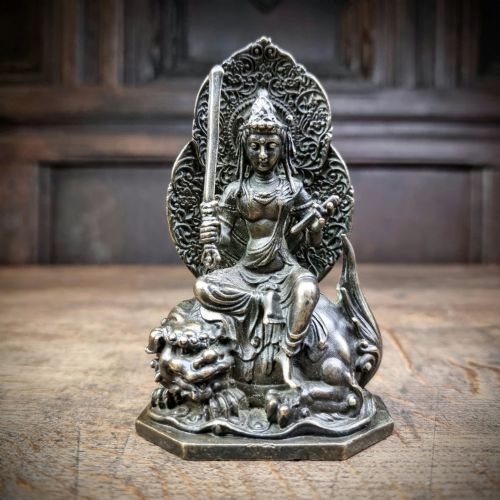
A qing dynasty bronze statue encompasses figures of immortals, scholars, and animals alongside Sino-Tibetan deities such as Manjushri and Vajradhara. These pieces date from the eighteenth and nineteenth centuries, stretching into the early twentieth century.
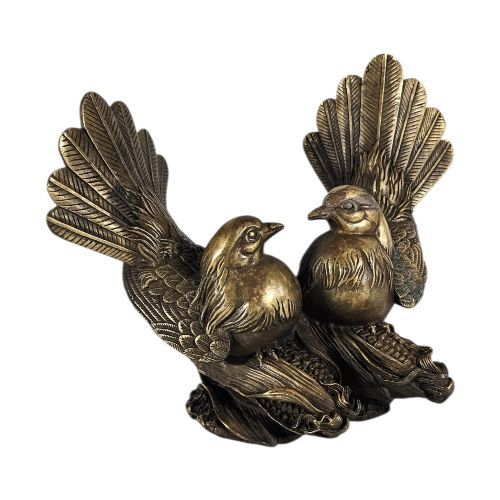
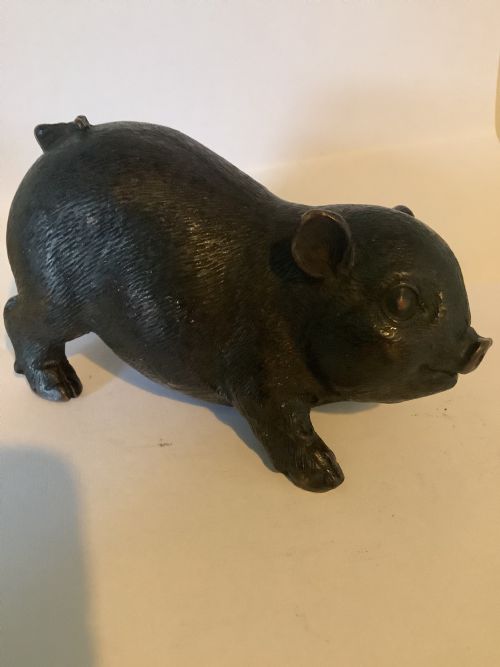
The forms vary widely from domestic figures of pigs, pigeons, and money toads to ritual incense burners shaped like junks or kylins. Buyers encounter both plain bronze and heavily gilded surfaces finished with pigment.
Sino-Tibetan gilt-bronze figures sit alongside domestic Chinese bronze statues on this page, representing the main stylistic divisions available to collectors.
How they were made
Foundries cast these pieces primarily in bronze and copper alloy, sometimes adding wood and glass elements to complete the objects. Artisans then applied fire gilding to create rich surfaces on figures like the eighteenth-century Bodhisattvas.
Qing Dynasty Bronze Statue Retail Price Guide 2026
Typical asking prices for qing dynasty bronze statue among the pieces listed under this phrase on Sellingantiques today, from the lower quarter to the upper quarter. They describe what is for sale here now, not the wider market.
Listings span the 18th century, 19th century, and early 20th century, utilising bronze, gilt bronze, pigment, copper alloy, wood, and glass.
What varies in quality
The refinement of the casting separates standard domestic figures from masterworks, evident in the crispness of facial expressions and the detail on garments. Gilding thickness and the preservation of original pigment also distinguish pieces.
Substantial weight and careful finishing indicate superior foundry work, particularly on larger animal figures and complex religious statues.
The Qing Dynasty Bronze Statue Glossary
- Sino-Tibetan
- Art produced under Tibetan Buddhist influence within the Chinese sphere. This style appears on gilt-bronze figures of deities.
- Gilt-Bronze
- Bronze coated with a thin layer of gold using mercury amalgamation or similar historic methods. This technique creates a luminous golden surface.
- Kylin
- A mythical chimerical creature in Chinese mythology. Figures of this beast often double as incense burners.
- Guanyin
- The bodhisattva of compassion venerated in East Asia. Statues depict this figure in various meditative or graceful poses.
Qing Dynasty Bronze Statue: Frequently Asked Questions
How old are these bronze statues?
The listings span from the eighteenth century through the nineteenth century and into the early twentieth century. Specific dating relies on style, casting characteristics, and recorded periods.
Peculiarities in the bronze alloy and patination help collectors place pieces within the Qing dynasty or the subsequent Republic era.
What is the difference between bronze and gilt-bronze?
Plain bronze statues display the natural metallic alloy surface, which darkens or develops a patina over centuries of exposure. Gilt-bronze pieces have a layer of gold applied to the metal.
This gold layer remains bright and reflects light differently than untreated metal, frequently appearing on religious figures.
How were incense burners used?
Incense burners functioned in domestic and religious settings to burn aromatic resins and woods. Smoke often escaped through movable lids or shaped apertures on figures like junks and kylins.
These functional objects combined utility with sculptural artistry, serving as decorative items when not actively burning incense.
Are these pieces heavy?
Weight varies considerably depending on the size and purpose of the sculpture. Smaller bird pairs weigh a couple of kilograms, while larger money toads and ritual vessels exceed three kilograms.
Solid casting practices account for the substantial heft found in many of these statues.