
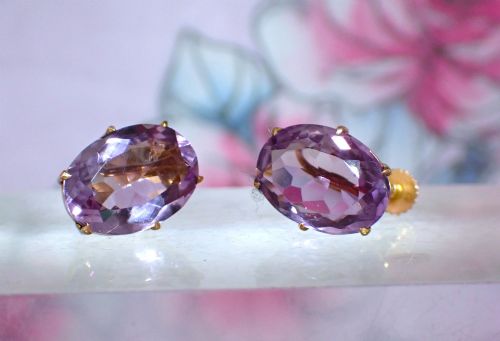


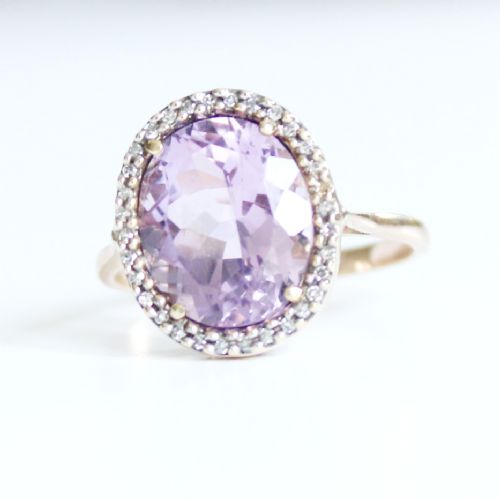


Purple Stone Cluster
These purple stone cluster pieces are striking items of antique and vintage jewellery designed to catch the eye with rich colour.
Purple Stone Cluster
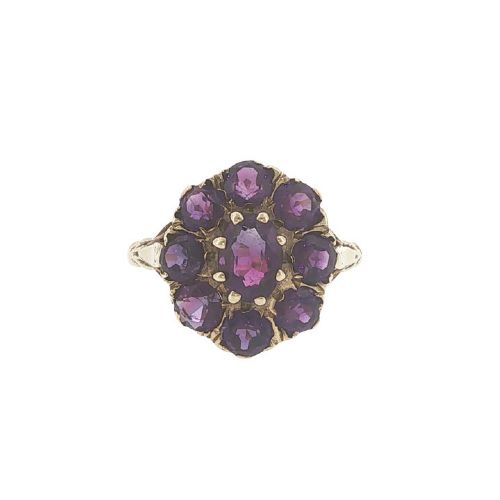
A purple stone cluster brings together distinctive gemstone groupings across rings, earrings, necklaces, and brooches spanning the Victorian era through to later decades. Buyers encounter traditional ring designs alongside drop earrings and pendant necklaces featuring central violet hues.
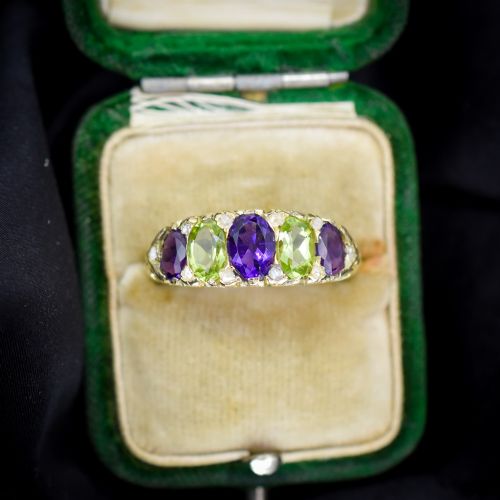
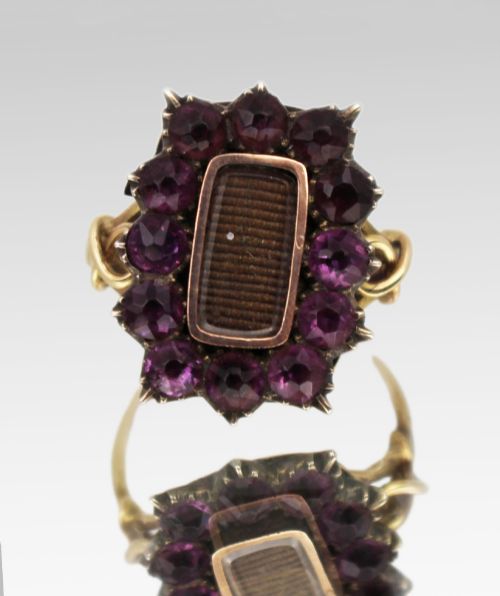
The selection includes specific historical examples such as Victorian mourning pieces set with purple glass alongside Edwardian and later twentieth-century gold and silver mounts. Many pieces combine the central purple stones with contrasting diamond or seed pearl borders.
How they were made
Craftsmen utilised precious metals including nine-carat and eighteen-carat gold alongside silver and platinum to set the stones securely. Metalwork techniques range from detailed halo arrangements to flat-cut settings suited to the period of origin.
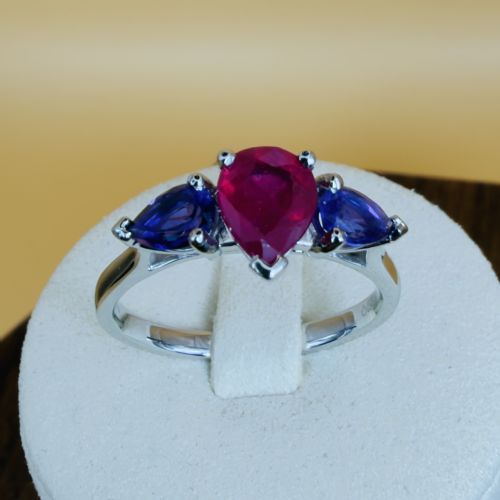
Gems such as amethyst and purple glass provide the primary colour, occasionally paired with peridot, diamond, seed pearl, or ruby accents. Each stone is shaped to fit cluster configurations characteristic of Victorian, Edwardian, and mid-century designs.
Listings span periods from the Georgian era through to nineteen-sixties items, utilising amethyst, gold, silver, and diamond.
What varies in quality
The depth of colour and clarity in the primary purple stones distinguish different grades of these pieces. Higher quality examples display well-matched gems and substantial metal weight in the mountings.
The intricacy of the surrounding work, such as the integration of secondary diamonds or pearls within the cluster, shapes the overall refinement of the item.
The Purple Stone Cluster Glossary
- Cluster ring
- A ring featuring a central gemstone surrounded by a border of smaller stones. This arrangement maximises visual impact and light reflection.
- Halo ring
- A setting style where a central gemstone is encircled by a continuous ring of smaller pavé-set stones. It creates a distinctive frame around the main gem.
- Seed pearl
- A very small natural or cultured pearl often used in historic jewellery to accent central stones. They add delicate texture to Victorian and Edwardian pieces.
- Mourning ring
- A commemorative piece of jewellery worn to remember a deceased person, frequently incorporating dark glass or jet alongside hair elements. Victorian examples often utilised purple glass.
- Flat cut
- A gemstone cutting technique where the top surface is relatively flat rather than faceted in a traditional dome or brilliant style. This method appears on Georgian and earlier pieces.
Purple Stone Cluster: Frequently Asked Questions
How do I date a purple stone cluster?
Dating relies on examining the metal purity marks, stone cuts, and overall construction style.
Victorian and Edwardian pieces often display distinct mounting techniques compared to mid-twentieth-century designs.
Are these pieces made of real gold?
Many items utilise nine-carat or eighteen-carat gold mounts alongside silver and platinum settings.
Hallmarks and professional testing help confirm the specific metal content of each piece.
What stones are used in these clusters?
Amethyst is the most common purple stone, alongside purple glass, corundum, and spinel.
These are frequently paired with diamonds, peridots, or seed pearls in the surrounding cluster design.
How should I care for antique jewellery?
Gentle cleaning with a soft cloth helps preserve the metal and stone settings over time.
Avoiding harsh chemicals and ultrasonic cleaners protects delicate seed pearls and softer gems.