
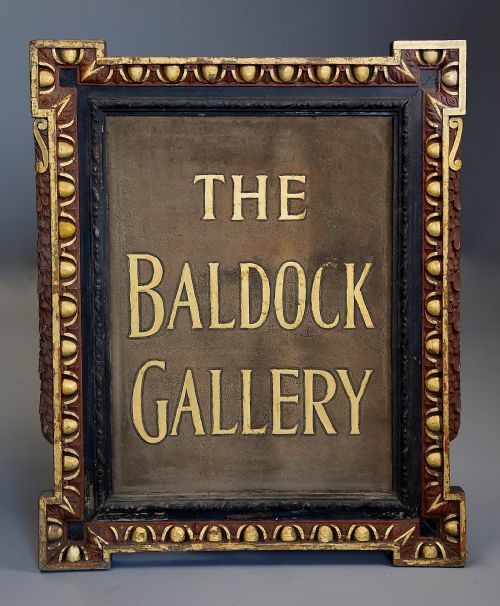


Pub and Shop Signs
Pub and shop signs are historic markers of commerce that bring tangible narrative and striking graphic presence to interiors.
Pub and Shop Signs
Pub and shop signs encompass trade figures, wall signs, advertising signs, and architectural salvage spanning the Victorian, Edwardian, and Art Deco periods, alongside early 20th century pieces.
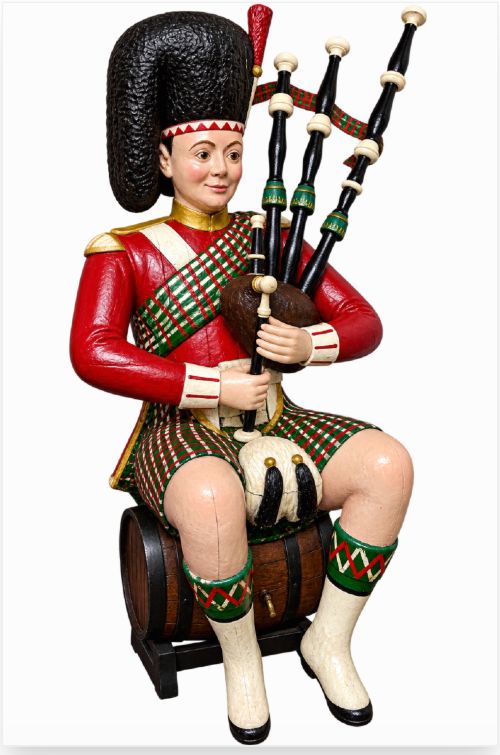
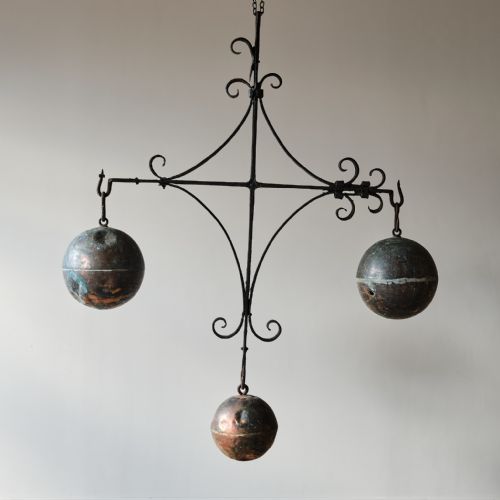
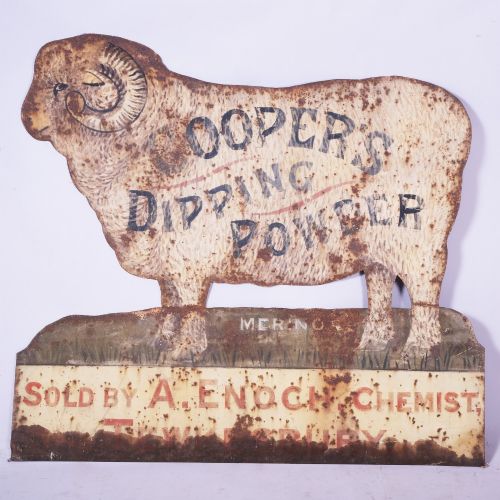
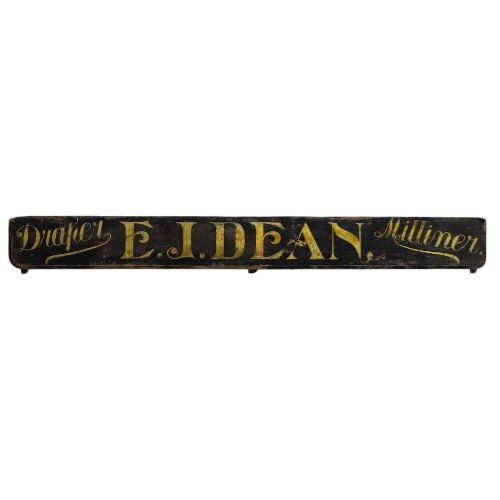
The selections on this page feature tradesman's figures, pawn brokers signs, coopers sheep dip signs, and milliner and draper shop signs, reflecting everyday commercial life across the 19th and early 20th centuries.
Buyers will encounter materials ranging from painted wood and iron to glass and gold leaf, capturing the varied material culture of historical retail and hospitality.
How they were made
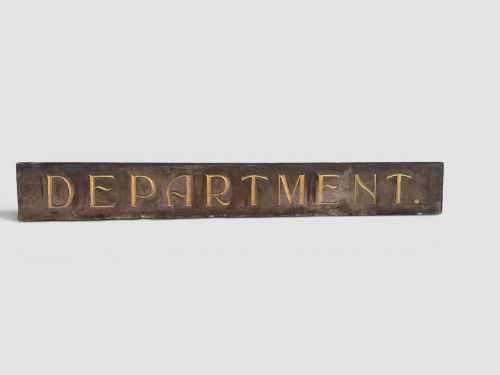
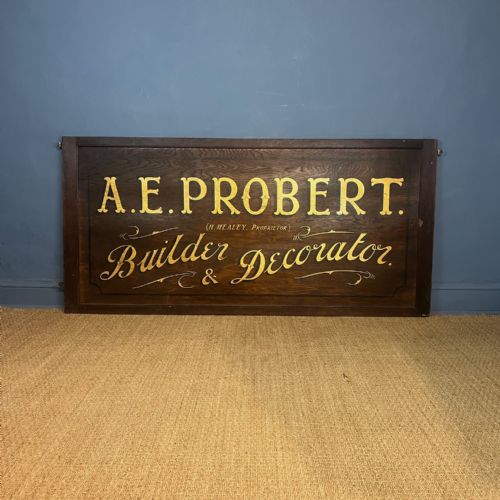
Makers utilised traditional craftsmanship, employing hand-painted finishes on pine and oak alongside carved wood elements enriched with gold leaf.
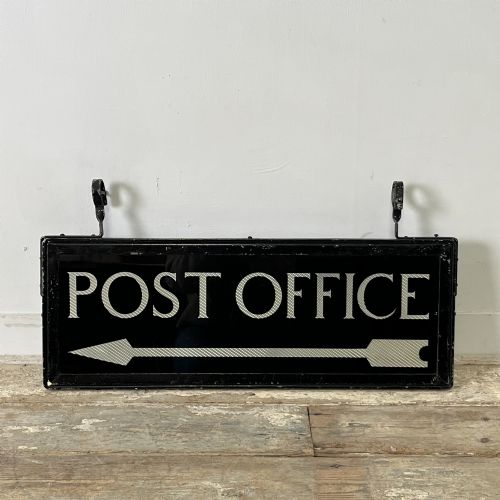
Metalwork involved cast bronze, iron, and wrought iron, while glass panels utilised cut and painted techniques to create durable advertising displays.
Listings feature items from the 19th century, Victorian, Edwardian, and 1920s eras, utilising oak, pine, iron, glass, and gold leaf.
What varies in quality
Quality rests upon the depth of craftsmanship in the carved details, the clarity of the lettering, and the integrity of the original painted or gilded surfaces.
The visual strength of a piece is determined by the boldness of its commercial form, whether a dimensional trade figure or a double-sided glass direction sign.
The Pub and Shop Signs Glossary
- Trade sign
- A bold three-dimensional or painted marker designed to advertise a specific merchant's craft or wares to the street. These objects often took the literal form of the trade, such as a pestle and mortar or a carved fish.
- Architectural salvage
- Building elements and fixtures rescued from structures slated for alteration or demolition. This category includes brackets, door hardware, and window panels.
- Gold leaf
- Extremely thin sheets of beaten gold applied to wooden or metal surfaces to provide a lustrous, weather-resistant finish. It catches ambient light effectively.
- Reverse painting on glass
- A technique where artists paint directly onto the back of a glass panel so the image is viewed through the front. This method protects the pigment and yields a glossy surface.
Pub and Shop Signs: Frequently Asked Questions
How do I hang a heavy trade sign safely?
Heavy wooden and iron signs require fixings secured directly into structural wall studs or masonry rather than standard plasterboard anchors. Use rated brackets that match the weight and span of the specific piece.
Ensure the hanging height allows for clearance while keeping the visual weight balanced within the room. Consult a professional installer if the sign is exceptionally large or double-sided.
How should I clean painted wooden shop signs?
Dust surfaces gently with a dry, soft-bristled brush to remove accumulated particulate matter without disturbing fragile historic pigments. Avoid harsh chemical cleaners, commercial polishes, or excessive water.
If deeper cleaning is necessary, consult a conservator to preserve the original patina and flaking paint layers. Maintaining a stable indoor humidity prevents further flaking.
Can enamel advertising signs be displayed outdoors?
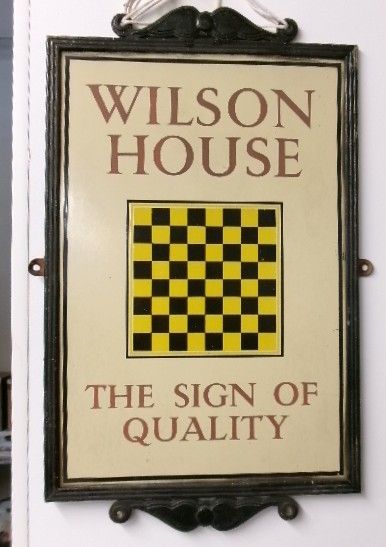
Enamel signs were originally engineered to withstand exterior weather conditions thanks to their fused glass-and-metal construction. However, historic examples often feature rusted edges or mounting holes that can deteriorate further in rain.
Exhibiting them indoors protects the remaining gloss and prevents the exposed iron core from developing active corrosion. If placed outside, protect them from direct, prolonged moisture exposure.
What distinguishes Victorian trade signs from Edwardian pieces?
Victorian signs tend to feature robust, heavily carved wooden forms, ornate ironwork, and dense hand-painted typography associated with traditional trade guilds and high-street merchants. They often emphasise literal trade figures and heavy architectural presence.
Edwardian and early 20th-century pieces frequently introduce cleaner lettering styles, glass panels, and more streamlined commercial messaging reflecting shifting retail advertising methods.