



Pub Advertising Sign
These pub advertising sign pieces are genuine survivors of early commerce, offering striking wall presence and rich historical character for the discerning interior.
Pub Advertising Sign
A pub advertising sign brings robust commercial history into modern interiors through authentic materials like vitreous enamel and heavy glass. These pieces span from Victorian examples to the 1930s, reflecting changing graphic styles across public houses and trade spaces.
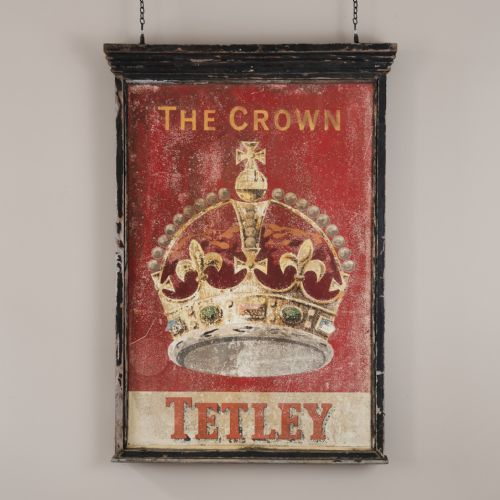
The selections available here range from large double-sided iron hanging brackets to framed enamel boards and reverse-painted glass panels. Wall mirrors and architectural salvage pieces also feature prominently among the current listings.
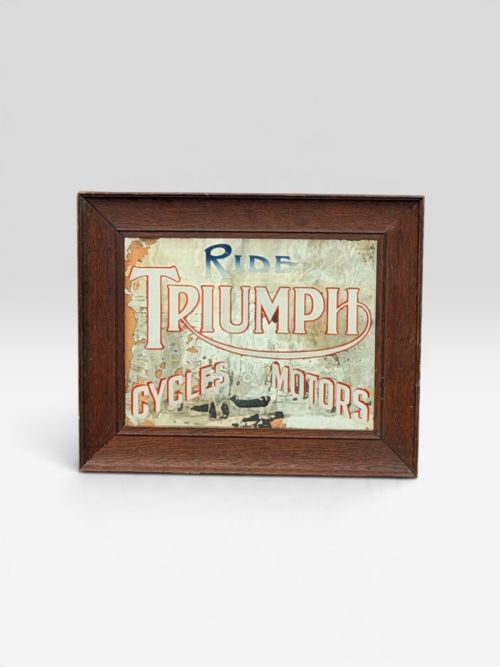
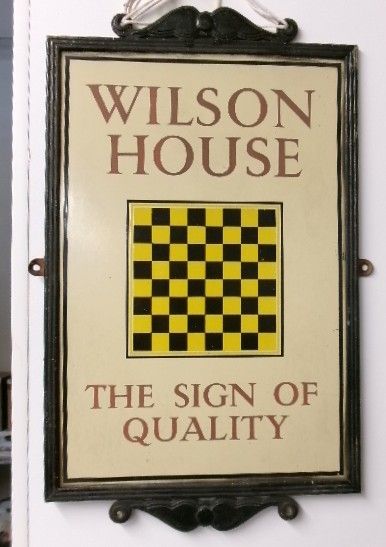
Buyers will most frequently encounter durable vitreous enamel panels alongside framed glass advertising mirrors from the early decades of the twentieth century. These items were originally built to withstand demanding pub environments and retain that sturdy construction today.
Materials and construction
Vitreous enamel offers a hard, fused glass coating over metal plates that protected public house branding from moisture and smoke. Iron and oak frames provided heavy structural support for exterior hanging displays and interior wall fixtures.
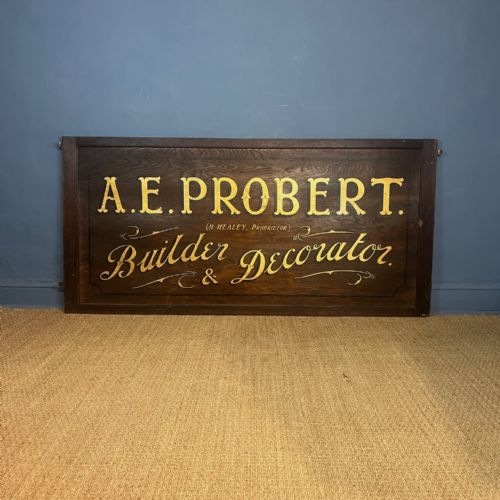
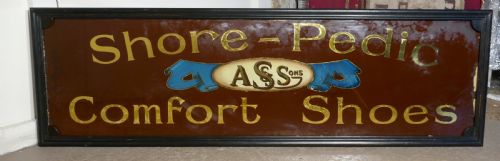
Glass panels utilise cut and painted techniques, frequently combining gold leaf lettering with reverse painting to create depth behind the viewing surface. Wood is utilised extensively for framing, backing boards, and specialised trade figures carved from timber.
Pub Advertising Sign Retail Price Guide 2026
Typical asking prices for pub advertising sign among the pieces listed under this phrase on Sellingantiques today, from the lower quarter to the upper quarter. They describe what is for sale here now, not the wider market.
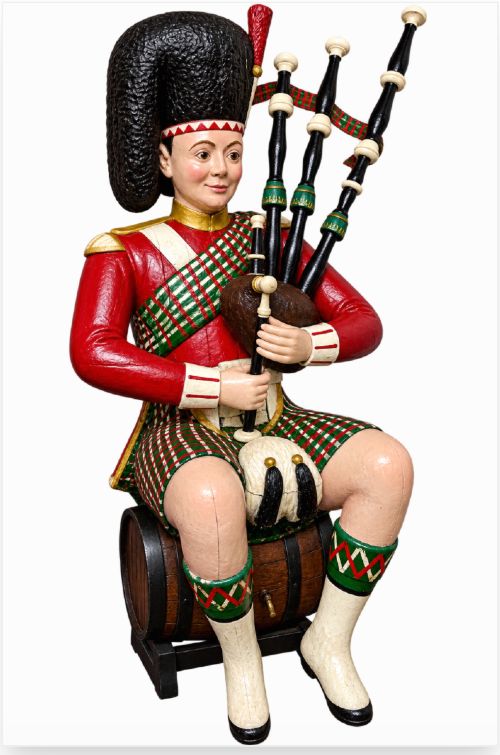
A solitary highland bagpiper stands ready to pipe customers through the door, proving that early commerce had a theatrical flair.
Assessing quality
The visual strength of the typography and the clarity of the original glazing distinguish superior examples from standard trade items. Bold graphic layouts with complete lettering systems carry greater aesthetic weight than faded or heavily restored surfaces.
Original mounting hardware, such as original iron brackets and period oak frames, elevates the integrity of a piece. The depth of the enamel gloss and the subtlety of the reverse-painted glass work indicate the skill of the original sign maker.
The Pub Advertising Sign Glossary
- Vitreous enamel
- A material formed by fusing powdered glass to a substrate by firing, producing a durable and glossy coloured surface. This finish resists weathering and fading over decades of exposure.
- Reverse painting
- A technique where artists apply paint and gold leaf to the back side of a glass panel so the image appears correctly when viewed from the front. This method protects the delicate pigments from physical damage.
- Trade figure
- A sculptural representation used by businesses to advertise their specific craft or merchandise to passers-by. These carved or moulded figures stood outside shops and public houses.
- Architectural salvage
- Building elements and signage rescued from structures slated for demolition or major renovation. Such pieces retain authentic patination from their original working environment.
- Double side
- A configuration designed to project perpendicular to a wall so pedestrians can read the commercial message from two directions. These signs usually incorporate heavy metal hanging irons.
Pub Advertising Sign: Frequently Asked Questions
How do I hang a heavy enamel sign?
Heavy enamel panels require secure fixing directly into masonry or robust wooden studs using appropriate wall anchors. The weight of the iron backing and vitreous plate demands load-bearing hardware to prevent shifting.
Ensure the mounting brackets support the lower edge as well as the hanging points to distribute the structural load evenly across the wall surface.
Are advertising mirrors fragile?
Antique advertising mirrors feature thick glass plates, but the silvering behind the glass and the painted surfaces require careful handling. Sudden temperature changes and moisture can accelerate degradation of the mirror backing.
Keep these pieces away from damp walls and direct sunlight to preserve the integrity of the original paint and glass.
How do I date an enamel sign?
Typography styles, manufacturing techniques, and the specific companies named on the board help determine the production era. Art Deco and Edwardian graphic conventions point directly to the early decades of the twentieth century.
Weight, thickness of the iron base, and the presence of makers' stamps on the edges provide further chronological markers.
Can these signs go outdoors?
While vitreous enamel was originally formulated for exterior exposure, antique pieces benefit from sheltered placement away from harsh weather. Fluctuating temperatures can stress fragile glass panels and vintage iron fixings.
Interior display ensures the longevity of original wooden frames and delicate gold leaf details found on glass mirrors.