

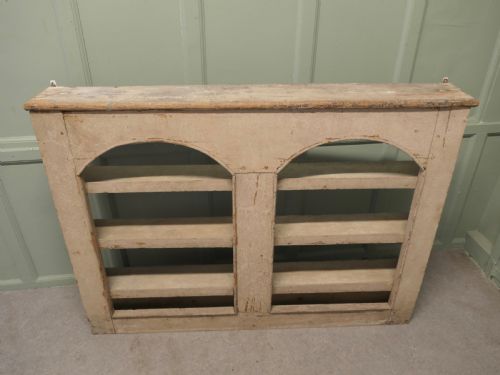


Provincial Storage Unit
A provincial storage unit brings honest regional craftsmanship into a room, offering practical storage through time-worn timber pieces built for daily country life.
Provincial Storage Unit
A provincial storage unit encompasses robust regional furniture designed to organise and conceal domestic belongings in country homes. These pieces range from towering armoires and dressers to compact cupboards, alcove shelving units, and multi-drawer filing cabinets.
Buyers browsing this selection encounter predominantly French designs spanning the eighteenth and nineteenth centuries. Regional makers shaped these practical objects from local timber stocks to suit domestic interiors.
Forms vary from stately walnut buffet vaisseliers and bleached oak bookcases to simpler pine shelved alcove cupboards and oak housekeepers cupboards. Each item reflects the utilitarian requirements of provincial households across distinct eras.
How they were made
Provincial storage units rely on solid regional hardwoods and softwoods selected for local availability and structural endurance. Carpenters utilised oak, walnut, pine, cherry wood, mahogany, palisander, and painted wood to construct durable frames and shelving.
Construction techniques integrated functional hardware and surface finishes suited to working environments. Makers fitted brass and iron handles, hinges, and locks alongside leather inserts, glass panels, and distemper paint layers.
Provincial Storage Unit Retail Price Guide 2026
Typical asking prices for provincial storage unit among the pieces listed under this phrase on Sellingantiques today, from the lower quarter to the upper quarter. They describe what is for sale here now, not the wider market.
Listings feature items originating across the 18th, 19th, and early 20th centuries, constructed from oak, pine, walnut, cherry wood, and palisander.
What varies in quality
The standard of a provincial storage unit rests upon the integrity of its timber selection and the restraint of its construction. Pieces fashioned from dense eighteenth-century oak or walnut display greater structural resilience than later nineteenth-century pine or mixed-wood variants.
Subtlety of regional proportion and the preservation of original surface treatments distinguish finer examples from standard utility items. The integration of period hardware, such as brass and iron fixtures, contributes to the overall coherence of the piece.
The Provincial Storage Unit Glossary
- Buffet vaisselier
- A traditional storage combination featuring a lower enclosed cupboard paired with open or shelved upper sections. This form served provincial dining rooms for displaying and storing tableware.
- Armoire
- A large upright cupboard or wardrobe used primarily for clothing storage. Provincial versions typically feature single or double panelled doors enclosing interior shelving or hanging space.
- Alcove cupboard
- A fitted or freestanding storage unit designed to occupy structural wall recesses. These pieces maximise awkward domestic spaces with custom-built shelving and doors.
- Palisander
- A dense, heavily figured exotic timber utilised in high-end cabinet making. Its rich grain patterns elevate the decorative presence of nineteenth-century French case pieces.
Provincial Storage Unit: Frequently Asked Questions
How do I date an old cupboard?
Dating requires examining the wood species, construction joints, hardware, and surface treatments visible across the piece. Eighteenth-century examples often exhibit hand-carved details and heavy regional hardwoods.
Nineteenth-century variants frequently incorporate machine-sawn elements, standardised iron fixtures, or softer woods like pine, reflecting changing workshop practices during that era.
How were these units used originally?
Households utilised these storage pieces to organise textiles, foodstuffs, tableware, and household documents in daily domestic life. Large armoires and housekeepers cupboards kept provisions and linens secure.
Smaller alcove units and chests of drawers provided dedicated space for personal belongings within provincial bedrooms, dining spaces, and working areas.
Where should I place one?
These storage units suit living rooms, kitchens, hallways, and bedrooms where substantial timber furniture anchors the spatial layout. Their enclosed shelving and drawers conceal household clutter effectively.
Matching the scale of the room to the height and depth of pieces like buffets or armoires ensures the furniture integrates naturally into contemporary domestic interiors.