
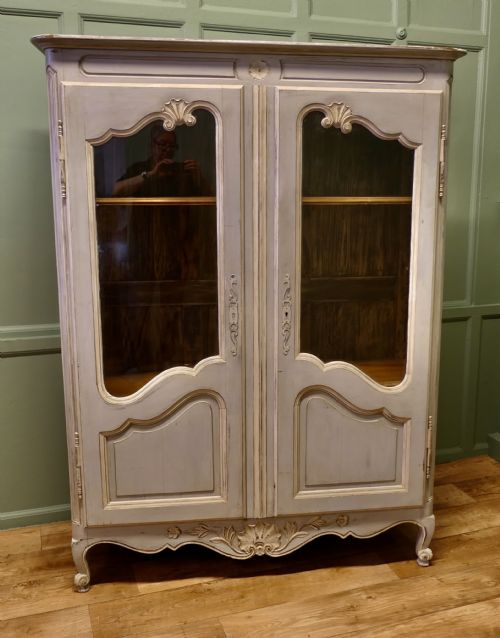
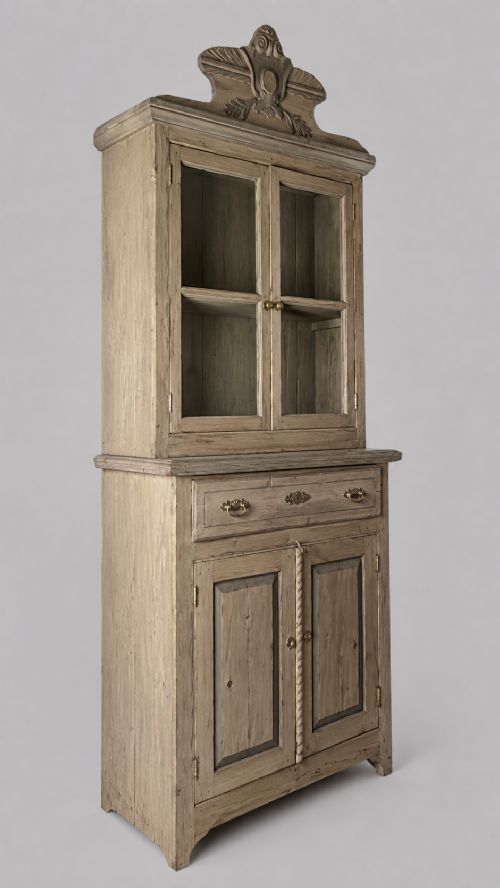
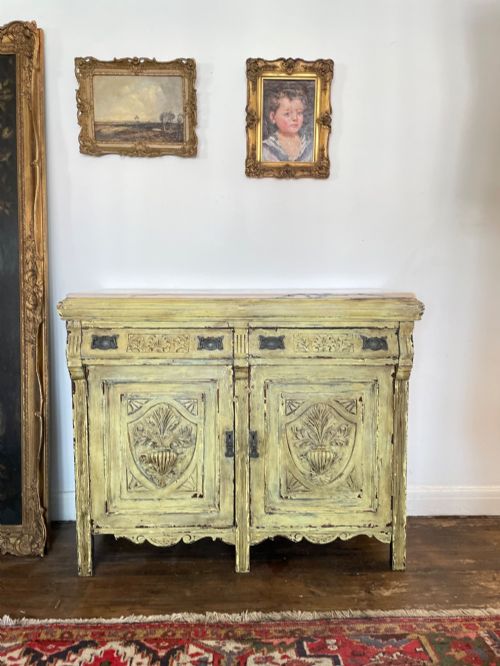
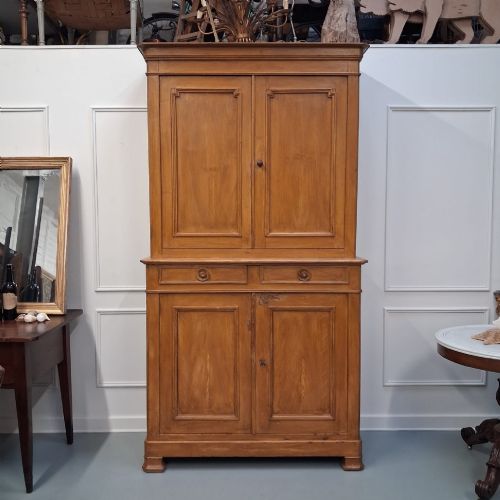


Provincial Painted Cupboard
A provincial painted cupboard brings regional character and hand-applied colour into a room.
Provincial Painted Cupboard
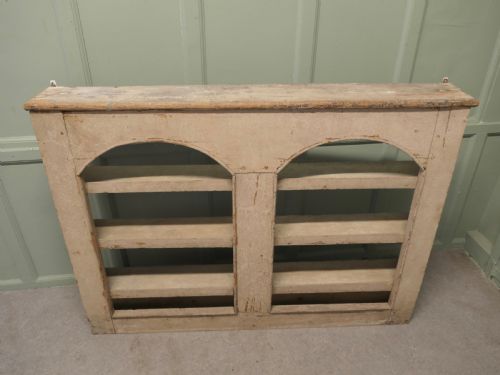
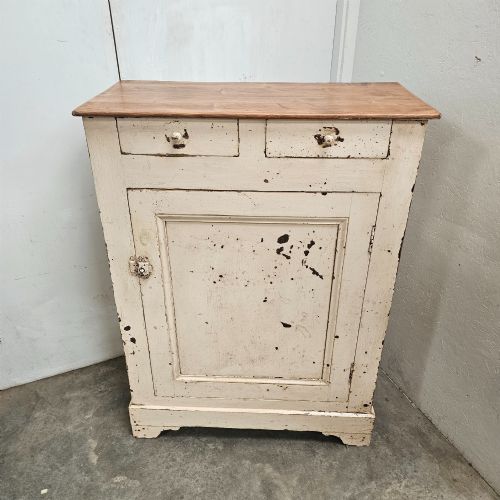
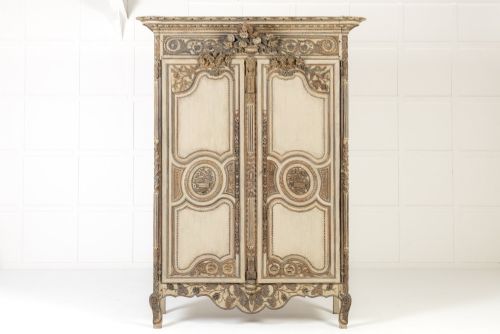
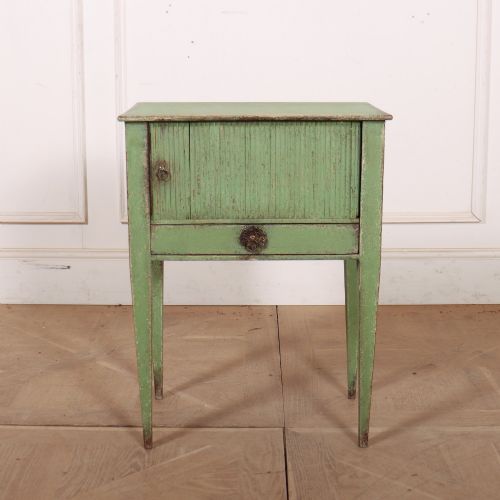
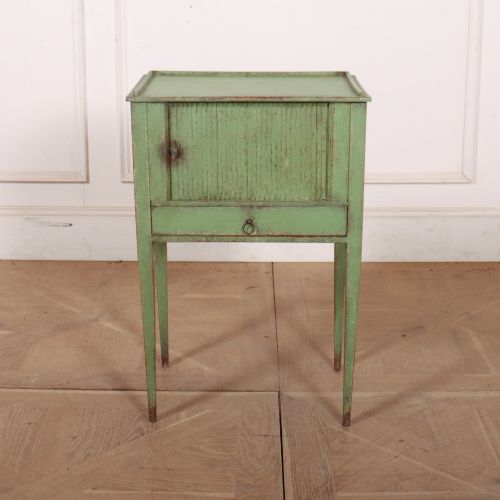
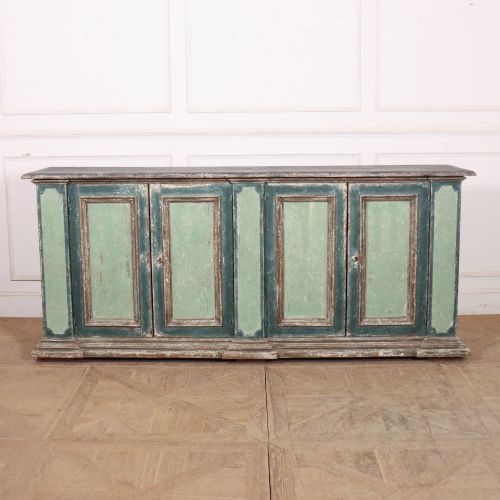
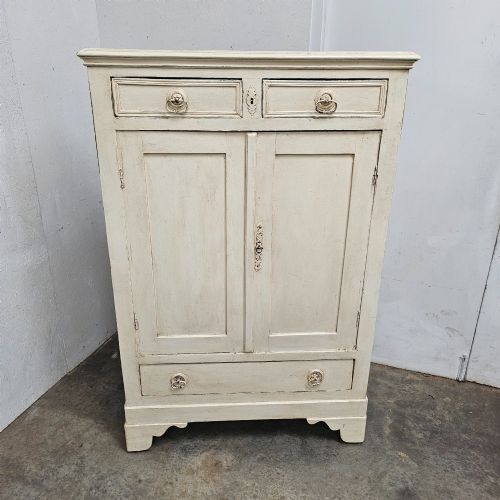
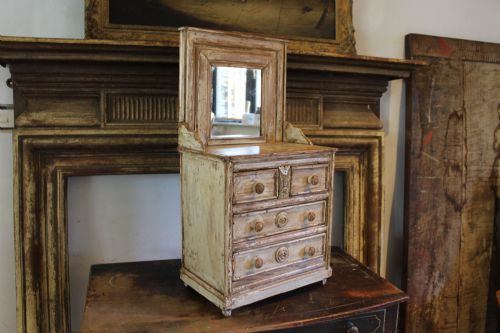
A provincial painted cupboard represents regional storage forms shaped by local traditions across Europe. These pieces include large linen armoires, housekeepers cupboards, kitchen dressers, and smaller bedside cabinets.
The version most commonly met on this page is the French provincial painted cupboard, alongside Dutch, Italian, English West Country, and Scandinavian examples. They range from eighteenth-century marriage cupboards and buffets to nineteenth-century confituriers and glazed display cabinets.
Buyers look for these items to anchor a room with practical storage and authentic aged surfaces. The form adapts easily to contemporary interiors while retaining its original utilitarian purpose.
How provincial painted cupboard items were made
Makers utilised locally available timber such as pine and walnut for the carcass construction. Iron and brass hardware, including hinges and escutcheons, secured the doors and drawers.
Surfaces received layers of paint, sometimes finished with glass doors, marble tops, or carved details. Later examples occasionally display added hand-painted lettering or gilded accents upon the painted ground.
One display cabinet carries later hand-painted lettering celebrating the vineyards of Chateauneuf-du-Pape.
What varies in quality
Quality rests in the integrity of the original construction and the handling of the painted surface. Pieces that retain their early or original paint layers without excessive later overpainting command greater attention.
Proportion and regional detailing set better examples apart from standard utility items. Well-executed carving, harmonious joinery, and balanced proportions reflect the skill of the regional maker.
The Provincial Painted Cupboard Glossary
- Armoire
- A large upright cupboard or wardrobe used for storing garments and linens. They typically feature double doors and generous internal shelving or hanging space.
- Confiturier
- A small French jam cupboard designed to store preserves and provisions. These compact pieces often feature a single door above a small drawer.
- Buffet
- A low sideboard or cupboard used for serving food and storing tableware. Larger versions, known as buffets à deux corps, consist of an upper and lower cabinet section.
- Vitrine
- A glass-fronted display cabinet or bookcase intended for showing porcelain and books. The glazed doors protect objects while maintaining full visibility.
- Demi-lune
- A half-moon shape applied to small commodes and cabinets designed to sit flush against a wall. This curved form softens room geometry.
Provincial Painted Cupboard: Frequently Asked Questions
Where were provincial cupboards used?
These cupboards served in kitchens, bedrooms, and dining rooms across rural European regions for everyday storage.
Households utilised them to store food, linens, tableware, and personal provisions away from damp walls.
How do I date a painted cupboard?
Dating relies on examining construction joints, hardware types, timber shrinkage, and the composition of the paint layers.
Earlier eighteenth-century pieces often show hand-cut peg joinery and forged iron hinges, while nineteenth-century examples utilise machine-sawn timber components.
Are the paint finishes original?
Many provincial cupboards have endured multiple layers of paint applied over successive generations of use.
Expert examination under magnification reveals whether the surface pigment dates to the original period or represents later redecoration.
How do I care for antique painted wood?
Protect painted surfaces from direct sunlight and maintain stable indoor humidity to prevent wood movement and flaking pigment.
Dust gently with a dry, soft cloth and avoid chemical cleaning agents that dissolve aged paint binders.