

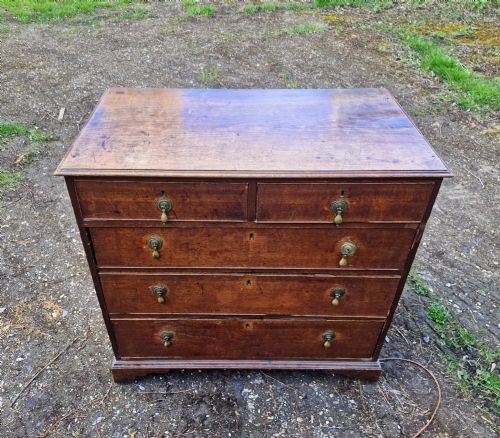


Provincial Oak Storage Chest
A provincial oak storage chest brings honest country utility and rich timber grain straight into a room.
Provincial Oak Storage Chest
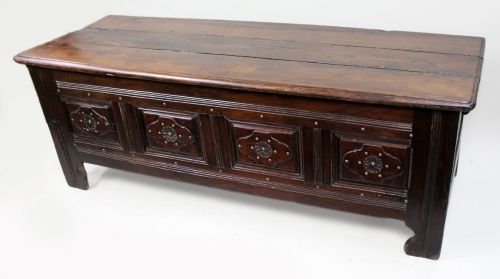
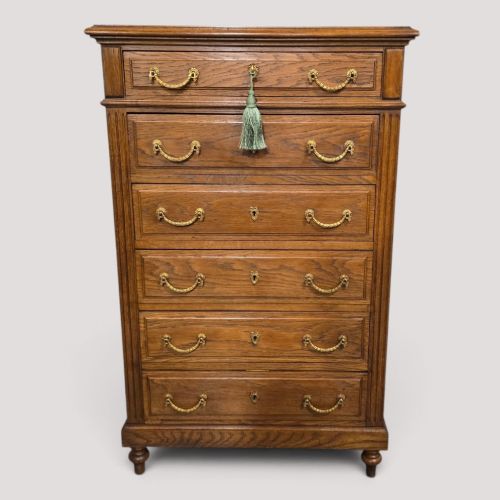
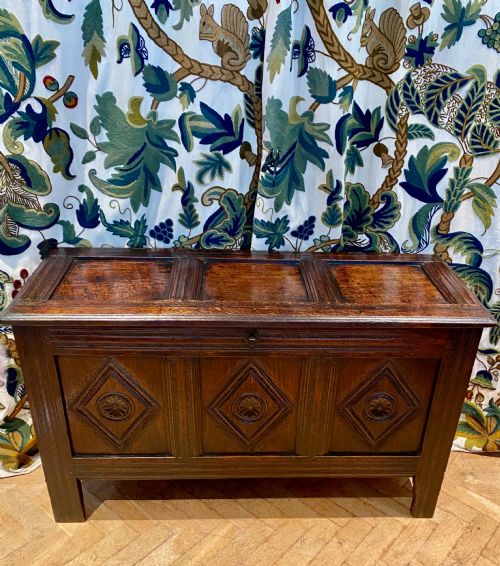
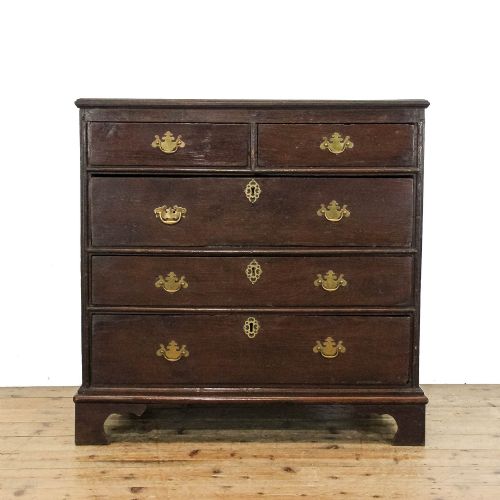
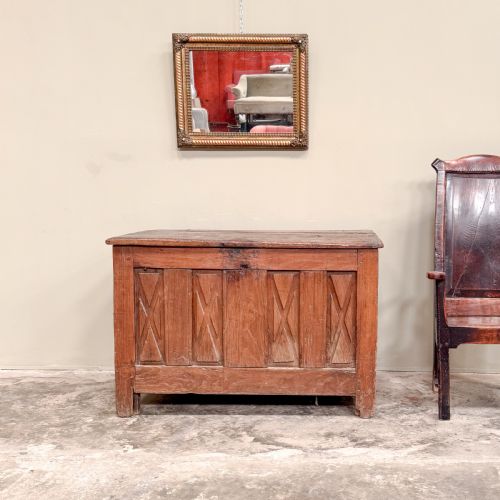
A provincial oak storage chest encompasses sturdy coffers, lift-top commodes and drawer chests originating from regional workshops. When searching for a provincial oak storage chest, buyers typically encounter pieces built during the eighteenth and nineteenth centuries in French and English country districts. These items served practical domestic needs for linen, dry goods and valuables before fitted household closets became standard.
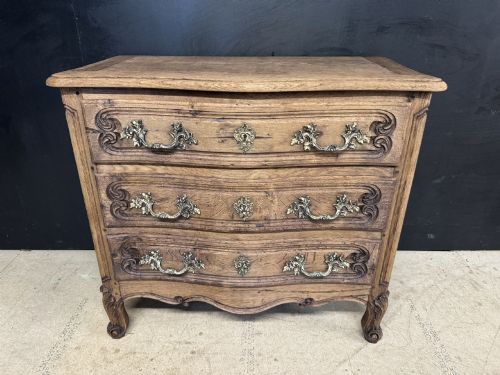
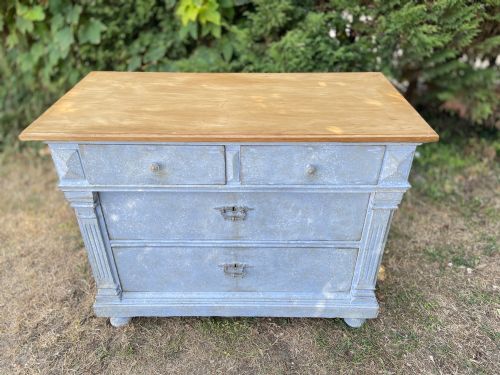
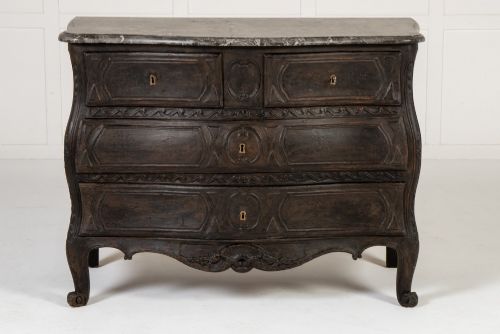
The selection here ranges from early seventeenth-century coffers to later nineteenth-century commodes and scrubbed oak drawer units. Regional variations emerge clearly in the regional styles, spanning French provincial, Georgian and Breton folk traditions. Most examples rely on solid local timber rather than exotic veneers, showing the direct influence of rural craftsmanship.
How they were made
Makers constructed these chests primarily from solid oak, alongside supporting touches of chestnut, pine and walnut. Carpenters joined structural panels using traditional pegged mortise and tenon joints to accommodate natural wood movement over decades of use.
Metalwork played a vital role in day-to-day function, with blacksmiths hammering iron and brass into durable hinges, lock plates and drawer pulls. Carving was often executed directly into the solid oak framework, showing floral motifs, geometric panels or diamond-point detailing.
Provincial Oak Storage Chest Retail Price Guide 2026
Typical asking prices for provincial oak storage chest among the pieces listed under this phrase on Sellingantiques today, from the lower quarter to the upper quarter. They describe what is for sale here now, not the wider market.
Several chests preserve internal candle boxes, handy for stashing tallow dips before the arrival of safe household matches.
What varies in quality
The degree of hand-carving and the crispness of regional detailing set superior examples apart from utilitarian workshop pieces. Finer chests display well-proportioned mouldings, integrated candle boxes within the interior, and timber selected for rich medullary rays.
Structural integrity depends on the preservation of the original board thickness and the condition of the base timber. Pieces that retain their original brass or iron hardware without excessive replacement command greater appreciation among collectors.
The Provincial Oak Storage Chest Glossary
- Coffer
- A heavy wooden chest traditionally used for storing valuables or household goods. Many examples feature a hinged lid and internal candle boxes.
- Commode
- A low chest of drawers or cabinet developed in France during the eighteenth century. Provincial versions often incorporate serpentine fronts or lift tops.
- Bombe
- A style of furniture characterised by convex, bulging curves on the front and sides. This form appears on select continental commodes.
- Scrubbed oak
- Timber surfaces that have been repeatedly washed or scrubbed clean of finishes, leaving a pale, matte texture. This finish is common on later nineteenth and early twentieth-century practical furniture.
- Serpentine
- A furniture front shaped with a central convex curve flanked by two concave curves. It requires precise woodworking skill to execute properly in solid oak.
Provincial Oak Storage Chest: Frequently Asked Questions
What is a provincial oak storage chest used for?
These chests served primarily as heavy-duty household storage for blankets, linen, winter clothing and dry provisions in rural homes.
Today, they function effectively as living room coffee tables, hallway storage benches, or bedroom blanket boxes while providing deep internal capacity.
How do I tell an 18th-century chest from a later one?
Eighteenth-century examples generally display hand-cut joinery, pegged framing, and timber boards showing the uneven texture of pit-sawing. Iron or brass hardware on these older pieces is usually hand-forged rather than machine-stamped.
Later nineteenth and twentieth-century pieces often incorporate standardised fixings, machine-cut drawer linings, and cleaner internal construction methods. Examining the backboards and drawer bases provides the clearest indication of age.
What is the difference between a coffer and a commode?
A coffer is a traditional storage chest accessed via a hinged top lid, often featuring a deep single compartment and occasionally an internal candle box. It represents an older form of domestic furniture.
A commode is built with horizontal drawers accessed from the front rather than the top, reflecting a later development in domestic storage design.
How should I care for antique oak furniture?
Antique oak benefits from stable indoor humidity levels away from direct heat sources and strong sunlight, which can dry out and split the timber. Regular dusting with a soft, dry cloth maintains the surface without the buildup of modern silicones.
Applying a traditional beeswax polish occasionally helps nourish the wood grain and preserves the natural matte or satin sheen built up over centuries.