



Provincial Oak Bookcase
A provincial oak bookcase brings the warm, honest timber and regional character of European country houses straight into a modern study.
Provincial Oak Bookcase
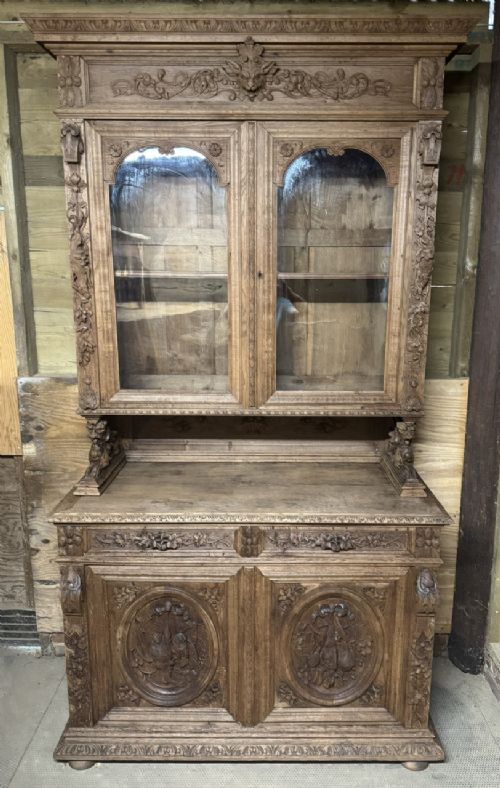
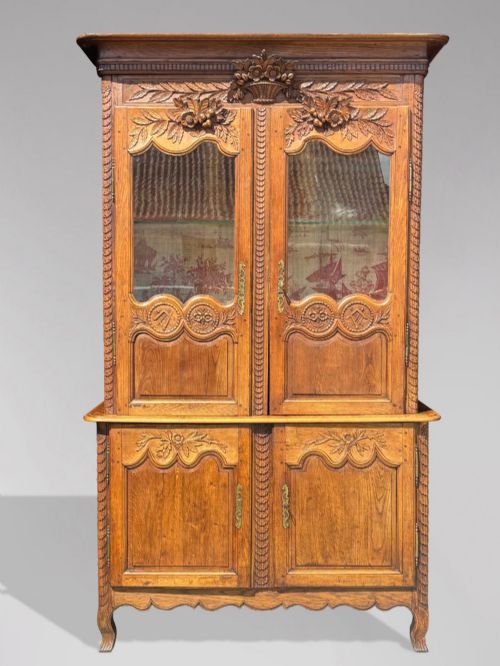
A provincial oak bookcase represents the robust domestic storage built across European regions during past centuries. These pieces encompass regional forms ranging from diminutive dwarf bookcases and painted cupboards to grand buffets deux corps and display cabinets.
The pieces available here lean heavily toward French country aesthetics, spanning the eighteenth and nineteenth centuries as well as the Victorian era. Buyers will regularly encounter rustic cupboards, two-piece commodes, and vitrines shaped by local craftsmanship rather than courtly Parisian tastes.
Materials and Construction
Solid timber forms the foundation of these provincial items, utilising sturdy oak alongside occasional fruitwood accents. Makers worked the wood by hand, producing thick panels and structural framing designed to endure heavy daily use in rural homes.
Surface treatments vary widely across the inventory, reflecting both original finishes and later interventions. Pieces feature bleached surfaces, limed finishes, and painted wood, occasionally accented with brass or iron hardware and glass panels.
Provincial Oak Bookcase Retail Price Guide 2026
Typical asking prices for provincial oak bookcase among the pieces listed under this phrase on Sellingantiques today, from the lower quarter to the upper quarter. They describe what is for sale here now, not the wider market.
Some provincial cupboards still carry the subtle scent of aged oak and centuries of rural domestic life.
Assessing Quality and Character
Quality in these regional items rests on the proportion of the carcass and the crispness of any hand-carved detailing. Earlier eighteenth-century examples often display deeper patination and more integrated joinery than their later nineteenth-century counterparts.
The integrity of the timber and the subtlety of surface treatments dictate the visual weight of the piece. Well-preserved original surfaces and balanced proportions separate finer cabinet work from simpler utilitarian storage.
The Provincial Oak Bookcase Glossary
- Buffet deux corps
- A tall two-part cupboard featuring a smaller upper section set upon a deeper base. This form provides substantial storage and display capacity in provincial dining rooms.
- Vitrine
- A glass-fronted cabinet designed for displaying books, ceramics, or curiosities. The glazed doors protect contents while allowing full visibility.
- Commode
- A low chest of drawers or cabinet with doors. Provincial iterations often combine storage drawers with upper display shelving.
- Limed oak
- Timber treated with a specialised finish that highlights the open grain by depositing a white or pale substance into the pores. This technique creates a softer, lighter tone on dark wood.
Provincial Oak Bookcase: Frequently Asked Questions
What is a provincial oak bookcase?
A provincial oak bookcase is a regionally made storage piece constructed from solid oak outside major metropolitan centres. These items range from simple rustic cupboards to refined display cabinets.
They reflect the domestic needs and local woodworking traditions of past centuries, particularly from French and North European regions.
How do I date an old bookcase?
Dating relies on examining the construction methods, joinery style, and overall proportions of the carcass. Eighteenth-century examples often exhibit hand-cut joints and deep patination.
Nineteenth-century and Victorian pieces may show slightly more standardised construction while retaining traditional regional forms.
Where were these pieces made?
These pieces originate from various rural districts and provincial towns across Europe, with a strong representation from French regions. Local workshops supplied practical furniture for domestic interiors.
Makers utilised accessible regional timbers like oak and fruitwood rather than imported exotic varieties.
How do I care for limed oak?
Care for limed oak requires dusting with a soft, dry cloth to prevent dirt accumulation in the grain pores. Avoid harsh chemical cleaners and excessive moisture.
Keep the timber away from direct heat sources and strong sunlight to preserve the treated surface finish.