



Project Lounge Chair
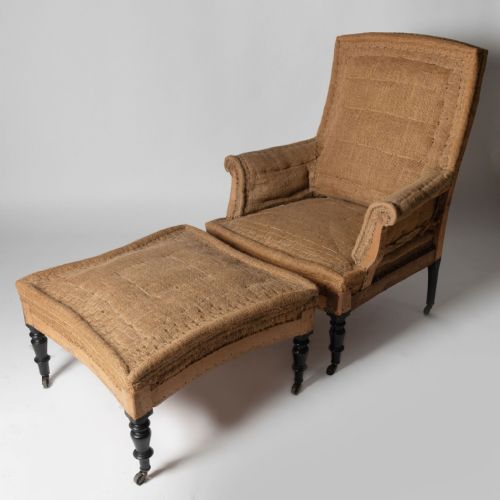
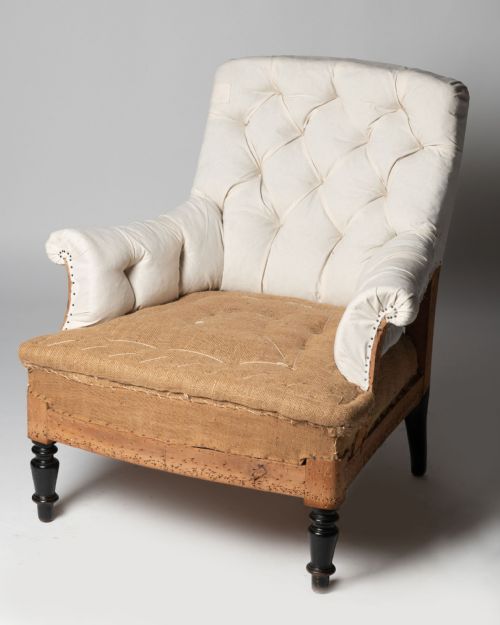
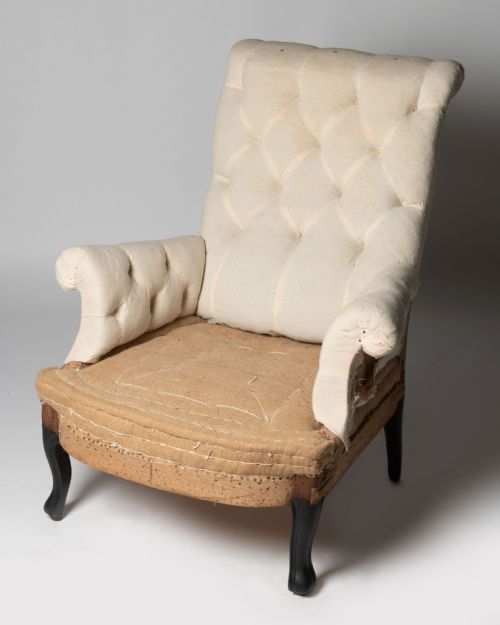
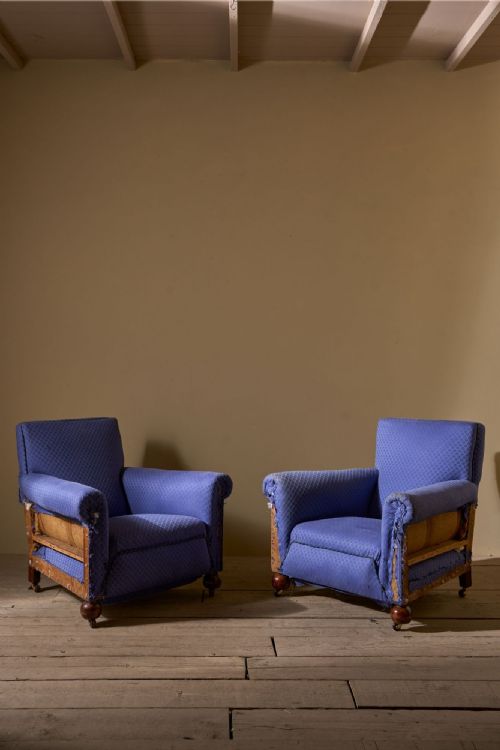
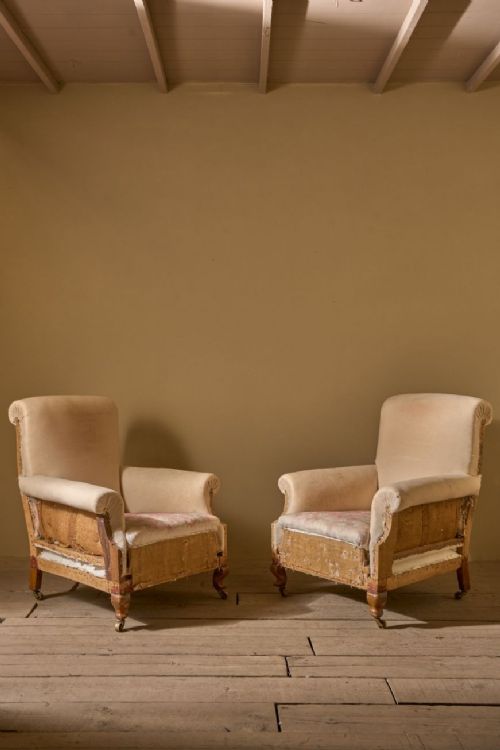
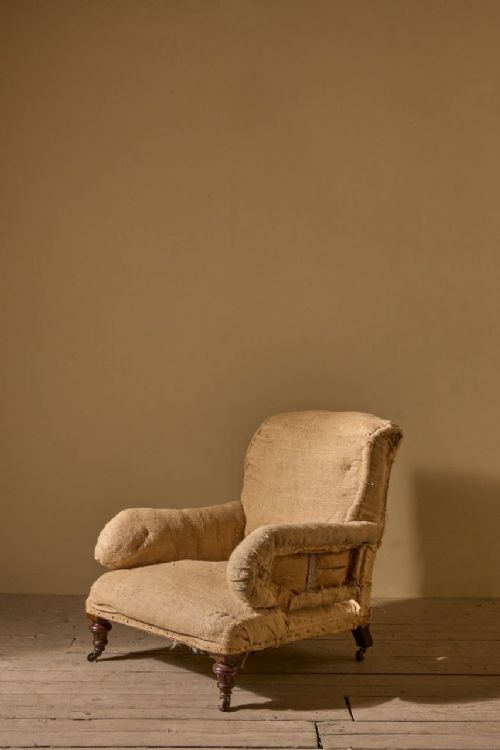
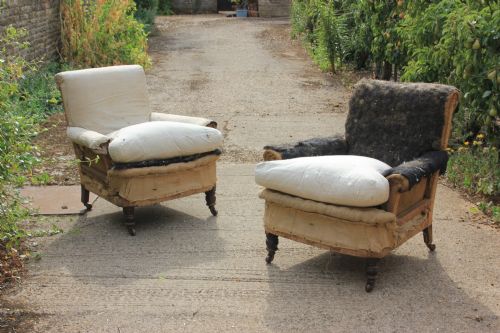
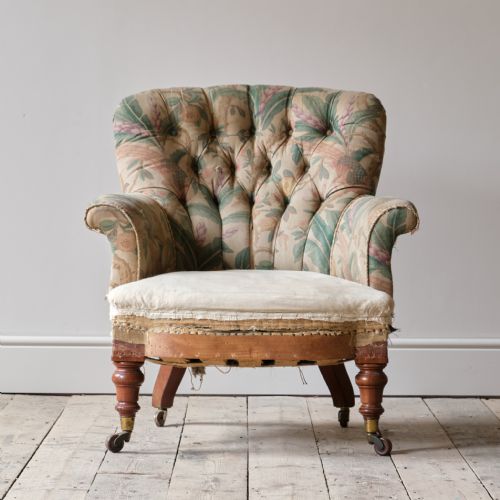
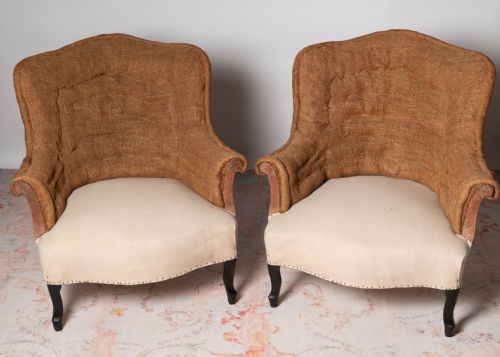
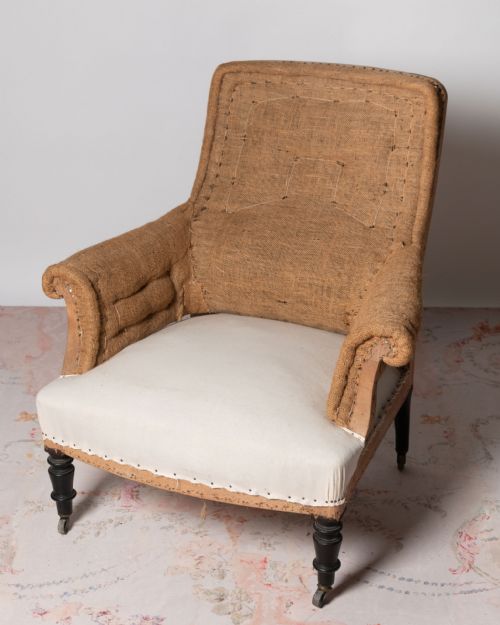
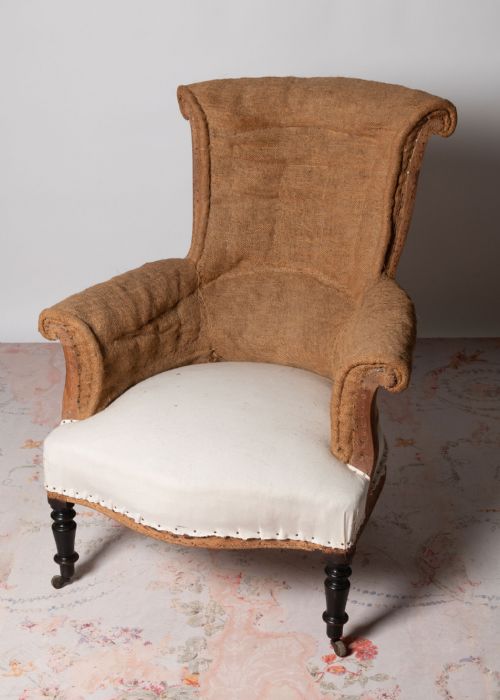
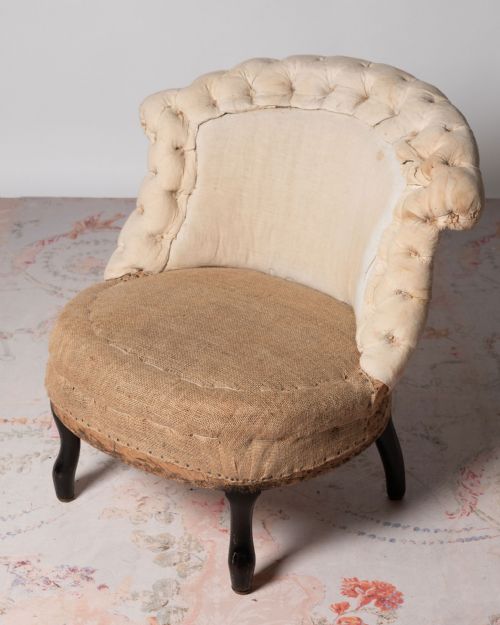
A project lounge chair is an un-restored seating piece requiring fresh upholstery and restoration work before taking pride of place in a room.
Project Lounge Chair
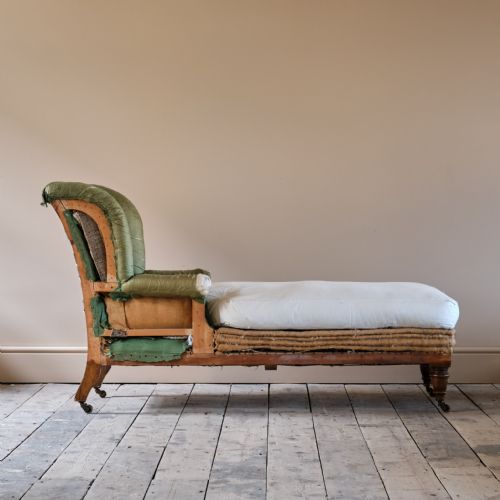
When searching for a project lounge chair, buyers encounter un-restored seating pieces primarily originating from the nineteenth century, the Edwardian era, and the nineteen-thirties. These items frequently present in forms such as deep-seated armchairs, scroll back armchairs, slipper chairs, and daybeds awaiting complete renewal.
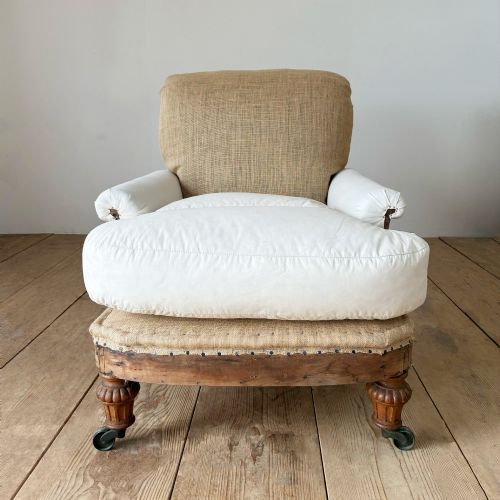
The aesthetic leans heavily toward English country house comfort and French styles including Napoleon III and nineteenth-century chateau designs. Pieces often exhibit classic seating silhouettes like the Howard style, large proportioned buttoned backs, and winged armchairs ready for fabric selection.
Most selections require comprehensive re-upholstery, often stripped back to the webbing and springs. Buyers find frames spanning simple timber structures to decorative mahogany reeded legs and walnut frameworks.
Materials and Construction
Internal upholstery preparation utilises foundational materials like hessian and calico as traditional base layers beneath the final decorative fabric. These durable textiles hold the stuffing and shape of the seat before the exterior layer is applied.
Project Lounge Chair Retail Price Guide 2026
Typical asking prices for project lounge chair among the pieces listed under this phrase on Sellingantiques today, from the lower quarter to the upper quarter. They describe what is for sale here now, not the wider market.
Listings span the nineteenth century, Edwardian period, and nineteen-thirties, featuring materials like hessian, calico, mahogany, walnut, and brass.
Assessing Quality and Form
Quality in these seating pieces is determined by the integrity of the wooden framework and the original proportions of the silhouette. Items with generous, deep-seated proportions and substantial frames offer superior foundational value for restoration.
Distinction also lies in the stylistic detailing of the woodwork, such as finely turned or reeded legs, compared to simpler structural elements. The pedigree indicated by established maker styles heavily influences the desirability of the frame.
Gillows·Hamptons and sons
The Project Lounge Chair Glossary
- Hessian
- A coarse woven fabric traditionally utilised as a foundational layer for stuffing and webbing in traditional upholstery. It provides the tight base necessary for deep-sprung seating.
- Calico
- A plain-woven unbleached textile stretched over the stuffing of an armchair to hold the shape before the top fabric is fitted. It forms a neat inner lining.
- Reeded legs
- Timber furniture legs carved with parallel convex mouldings resembling bundled reeds. This decorative turning appears frequently on nineteenth-century frames.
- Scroll back
- A chair back design curving backwards in a scroll shape. This profile is typical of English country house seating.
- Slipper chair
- A low-seated bedroom chair traditionally used by ladies for putting on shoes. These pieces possess compact frames and often curvaceous silhouettes.
Project Lounge Chair: Frequently Asked Questions
What is a project lounge chair?
A project lounge chair is an antique or vintage seating piece sold in unrestored condition, specifically chosen for complete re-upholstery and frame renovation.
Buyers purchase these items to select their own bespoke fabric and restore the underlying webbing and springs to personal preference.
How do I choose the right frame?
Look closely at the underlying wooden structure, proportions, and leg style rather than the current worn fabric. Deep seats and sturdy mahogany or walnut frames offer the best foundation for a successful restoration.
Consider whether you prefer English country house scroll backs or French Napoleon III silhouettes for your interior space.
Can I sit in them immediately?
Most of these chairs require intermediate or full re-upholstery work before regular domestic use, as internal padding and webbing often degrade over decades of time.
Working with a restorer allows you to rebuild the internal springs and choose supportive fillings tailored to modern comfort standards.
How do I identify the period?
Period identification relies on frame architecture, wood types like mahogany or walnut, and characteristic design details such as buttoned backs or reeded legs. Nineteenth-century and Edwardian pieces each display distinct proportions and joinery methods.
Maker attribution or stylistic markers like Howard proportions further help narrow down the exact decade of manufacture.