


Primitive Wooden Trunk
A primitive wooden trunk is a utilitarian box hewn from the tree itself, offering rugged utility and honest craft for a modern interior.
Primitive Wooden Trunk
When you search for a primitive wooden trunk, you are looking at utilitarian vessels and heavy storage pieces shaped directly from timber. The listings here encompass dugout construction, robust coffers, and heavy chests from the seventeenth century through to the Edwardian period. Buyers drawn to these objects seek unpretentious domestic history and honest, unvarnished carpentry.
The most common forms you will meet on this page are sturdy chests, rustic coffers, and carved vessels. These pieces utilise domestic timbers like oak, pine, and sycamore, often bearing the tool marks of the carpenter who hollowed the log. Their origins span British regional workshops and continental European traditions, particularly Scandinavian and French sources.
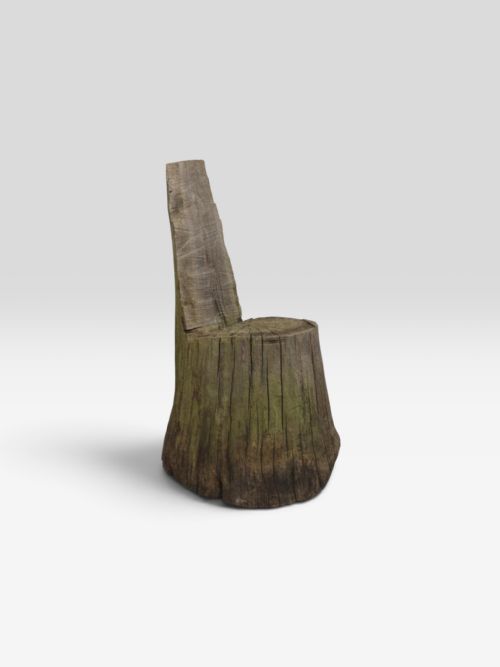
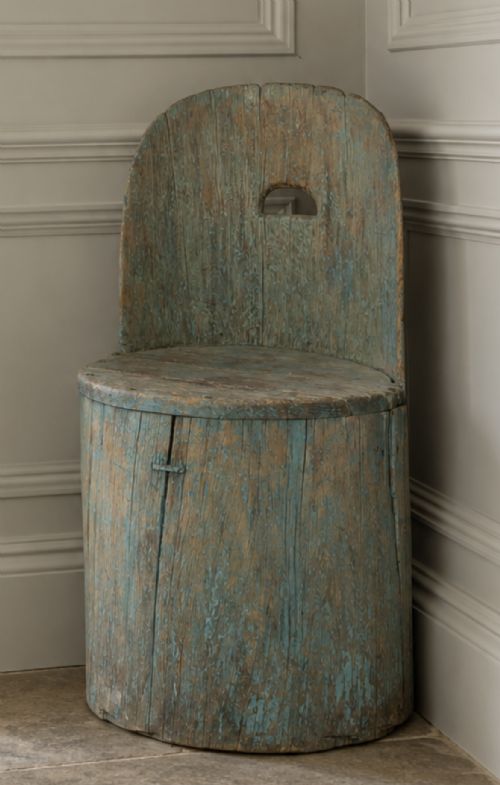
Many of these trunks and seats show the direct influence of vernacular and folk art traditions. A shepherd's coffer or a dugout tree seat serves as both furniture and sculpture, holding centuries of wear in the grain. Their appeal lies precisely in this lack of courtly finish and the direct translation of raw timber into household utility.
Materials and Construction
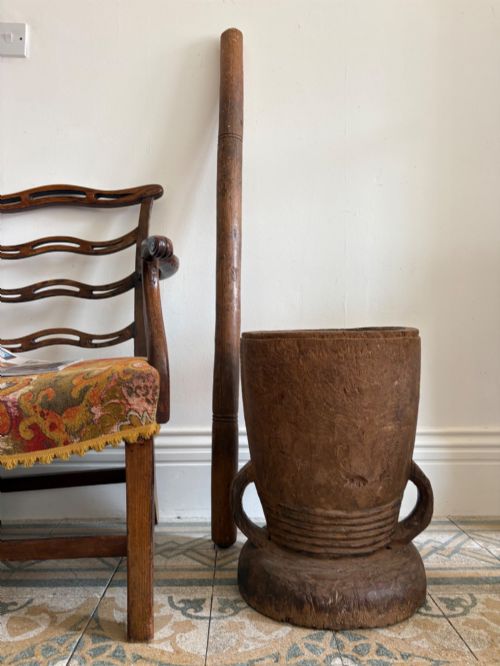
Makers shaped these trunks from solid logs of oak, pine, beech, and sycamore, often hollowing out a single piece of timber in the dugout method. This technique left thick, heavy walls that required minimal joinery but demanded immense physical labour with adzes and gouges. Some examples retain traces of early paint or natural wax finishes applied to seal the porous wood.
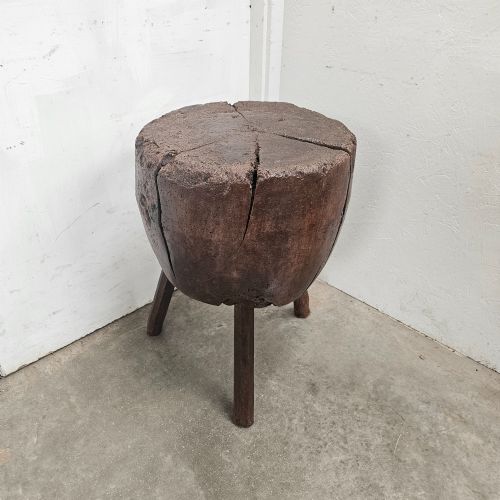
Construction relies on sheer mass and simple pegging rather than delicate dovetails or veneering. Heavy boards form the bodies of coffers like the Welsh oak examples, joined with wooden trunnels or iron straps where strength was paramount. The reliance on whole timbers means each trunk responds uniquely to age, developing deep shrinkage cracks and rich patination.
Some nineteenth-century dugout chairs still bear the precise sweep of the adze blade that carved a farmer a seat from a fallen log.
Assessing Quality and Character
Quality in a primitive wooden trunk rests upon the integrity of the original timber and the honesty of its survival. Pieces that retain their thick dugout walls without excessive structural timber replacement command greater respect from collectors. The depth of the patination, gained through generations of handling and daily use, defines the visual success of the surface.
Proportion and the clarity of the tool marks separate a mundane container from a striking piece of vernacular sculpture. A well-proportioned coffer with balanced proportions and untouched surface skin displays the maker's eye despite the rustic medium. Excessive modern cleaning or aggressive sanding strips away the very history that gives these trunks their value.
The Primitive Wooden Trunk Glossary
- Dugout
- A method of hollowing out a single tree trunk to form a seat, vessel, or trunk body. This ancient technique requires no complex joints, relying instead on the natural strength of the solid log.
- Coffer
- A heavy wooden chest traditionally used for storing valuables, documents, or household provisions. Early examples often feature robust board construction and simple iron locks.
- Vernacular
- Architecture or furniture built by local craftsmen using traditional methods and regional materials without academic architectural training. These pieces reflect local needs rather than fashionable metropolitan styles.
- Patina
- The deep sheen and surface alteration developed by wood over decades or centuries through handling, light exposure, and waxing. A genuine skin is prized by collectors above a stripped finish.
- Trunnel
- A wooden peg or treenail used to secure joints in heavy timber construction before the widespread use of cheap iron nails. These pins swell over time to lock the assembly firmly in place.
Primitive Wooden Trunk: Frequently Asked Questions
What is a primitive wooden trunk?
A primitive wooden trunk is a heavy storage chest or dugout vessel made with minimal tools and solid regional timber. They date from the seventeenth century onwards and were built for hard use in farmhouses and cottages.
Unlike polite cabinet furniture, these trunks embrace the natural knots, splits, and irregularities of the tree. They serve today as sculptural storage pieces that anchor a rustic or minimalist room.
How do I date an old trunk?
Dating relies on observing the tool marks, the method of construction, and the type of timber used. Early pieces often feature hand-split boards, adze marks, and wooden trunnels rather than modern steel screws.
Wear patterns around the lid edges and hinges also indicate age, as does the depth of the surface patina. Comparing the timber species to known regional traditions helps narrow down the century of manufacture.
Can I use these trunks for storage?
Most of these trunks remain structurally sound and capable of holding blankets, linens, or books. Their thick wooden walls offer robust protection for stored items.
Care should be taken with the interior surfaces to ensure they are clean and dry. Placing them away from direct heat sources prevents the old timber from drying out and cracking further.
How do I care for primitive wood?
Maintain the wood by applying a neutral beeswax occasionally to nourish the dry surface fibres. Avoid modern liquid polishes that contain silicones and alter the historic skin.
Keep the trunk in a stable room environment with moderate humidity to prevent the ancient timber from warping. Gentle dusting with a dry cloth is sufficient for daily maintenance.