



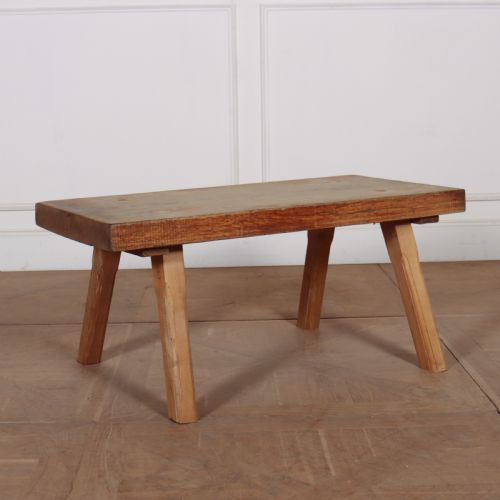

Primitive Wood Side Table
These primitive wood side table pieces bring honest vernacular character to a room, offering simple utility shaped by generations of hands.
Primitive Wood Side Table
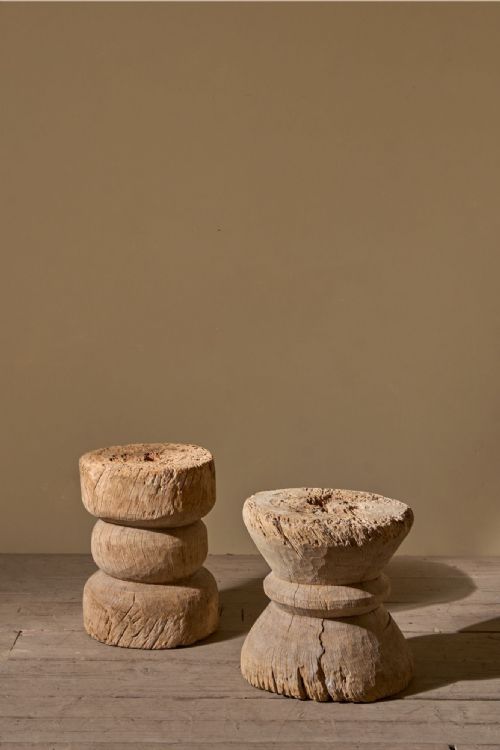
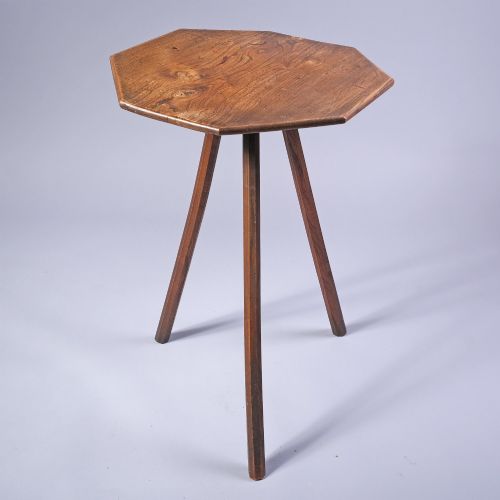
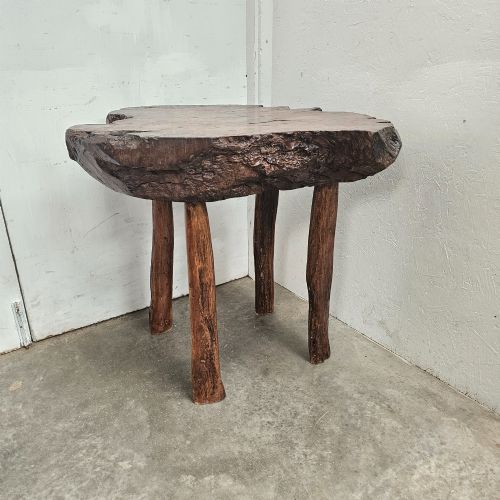
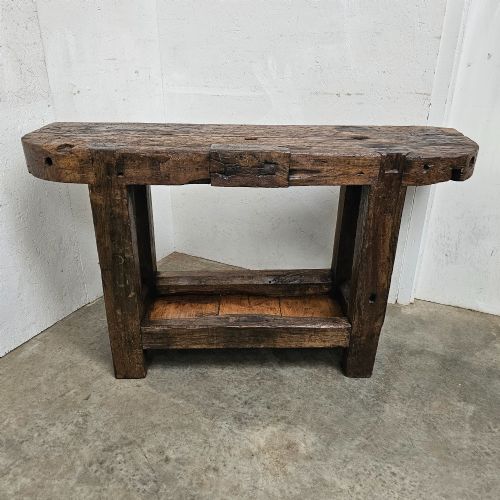
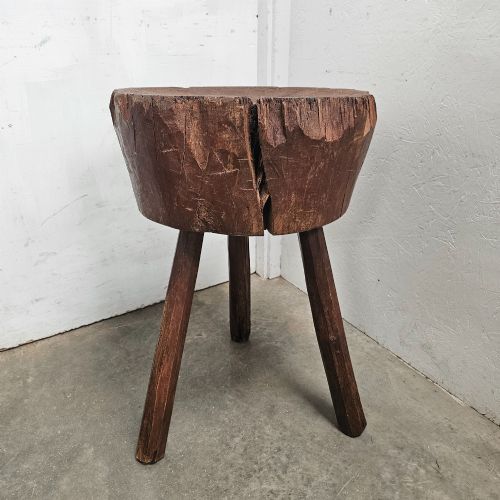
A primitive wood side table represents functional domestic and working furniture stripped of formal ornament. You will encounter low workbenches, chopping blocks, and small occasional pieces shaped by rural makers.
The pieces on this page span several centuries, reaching from the eighteenth century through the Edwardian period. Elm, oak, ash, and pine predominate, reflecting the local timber available to regional joiners and carpenters.
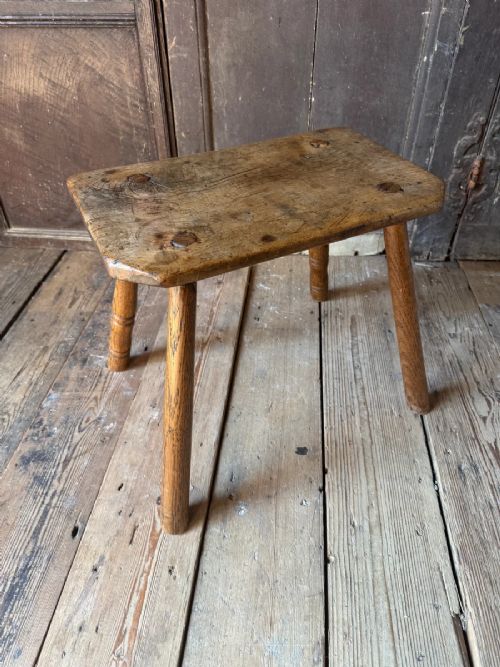
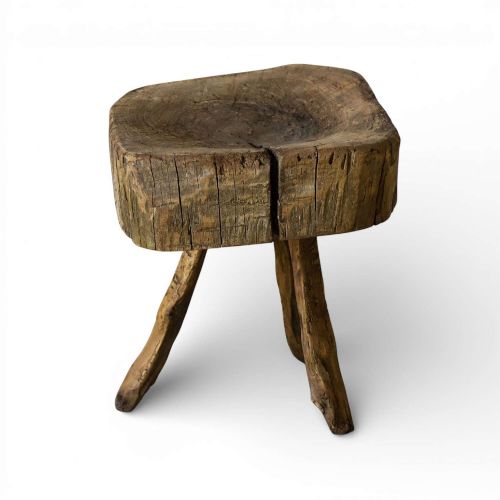
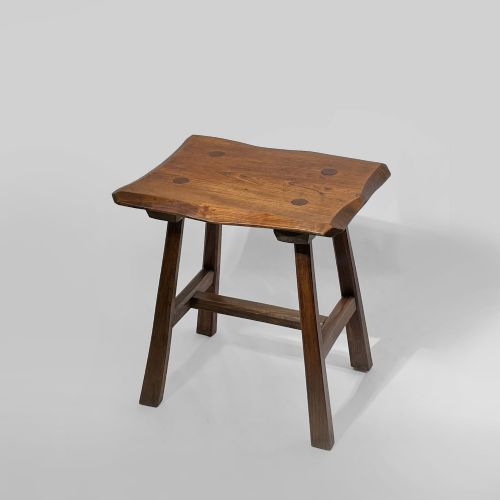
Forms remain straightforward, encompassing three-legged designs, trestle structures, and sturdy circular tops. These objects served utilitarian roles in dairies, kitchens, and workshops before finding a place in modern interiors.
How they were made
Joinery on a primitive wood side table relies on straightforward pegging, wedged tenons, and direct board construction. Makers utilised whatever solid timber lay to hand, selecting dense hardwoods like elm and ash for durability.
Surfaces bear the tool marks of adzes, drawknives, and primitive lathes rather than factory sanding. Legs are often cleft from green wood and fitted into bored sockets beneath thick slabs.
Finish develops naturally through decades of scrubbing, wax, and daily use rather than applied cabinet varnishes. Original gnarled supports and patinated tops reveal the direct relationship between material and function.
Primitive Wood Side Table Retail Price Guide 2026
Typical asking prices for primitive wood side table among the pieces listed under this phrase on Sellingantiques today, from the lower quarter to the upper quarter. They describe what is for sale here now, not the wider market.
Several pieces on this page began life as game blocks and cobblers' benches before finding quiet retirement beside armchairs.
What varies in quality
Quality in a primitive wood side table rests on the integrity of the original construction and the depth of surface wear. Pieces retaining their unstripped timber skin and honest structural repairs hold greater integrity than overly cleaned examples.
Proportion and stance distinguish exceptional regional work from mundane utility items. A well-balanced frame with naturally aged timber displays the maker's eye for utility without decorative excess.
The presence of original bases, gnarled supports, and untouched working surfaces elevates an object. Survival in a complete state, without replaced tops or modern hardware, determines the standing of each piece.
The Primitive Wood Side Table Glossary
- Vernacular
- Everyday furniture made by local carpenters for regional use rather than high-style urban workshops. It prioritises function and local materials above contemporary fashion.
- Burr
- A distorted growth on a tree that produces highly figured, swirling grain patterns when sliced. Cabinet makers prized these sections for decorative occasional surfaces.
- Trestle
- A structural support consisting of horizontal beams held by angled legs. This arrangement allows maximum legroom beneath heavy working tops.
- Cleft
- Timber split along the grain with wedges and an axe rather than sawn. This traditional method preserves the natural strength of the wood fibres.
Primitive Wood Side Table: Frequently Asked Questions
How do I date an old wooden table?
Dating relies on examining tool marks, timber selection, and construction methods. Hand- cleft wood, pegged joints, and heavy board tops often point towards earlier centuries.
Wear patterns and the lack of modern machine fasteners help distinguish eighteenth and nineteenth-century examples. Surface patina builds gradually through decades of practical service.
Where were these tables used?
These pieces originated in working environments such as dairies, kitchens, workshops, and farmhouses. They served specific daily tasks before transitioning into domestic living spaces.
Their robust construction allowed them to withstand heavy handling in rural trades. Today, their compact scale suits placement beside seating in modern rooms.
How do I care for primitive wood?
Maintain the surface with occasional applications of natural beeswax to nourish dry timber. Avoid harsh chemical cleaners that strip the aged patina.
Keep pieces away from direct heat sources and dramatic humidity shifts to prevent timber movement. Gentle dusting preserves the historical texture of the wood.