



Primitive Wood Furniture
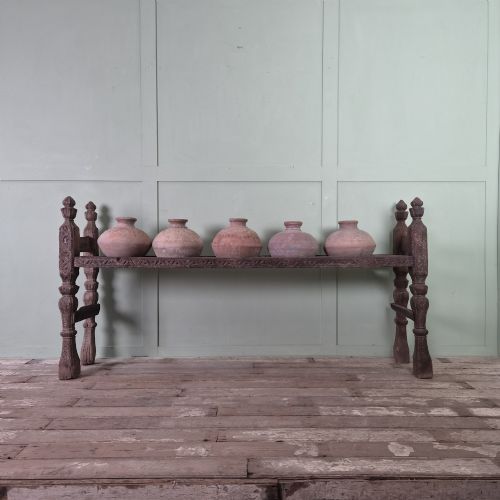
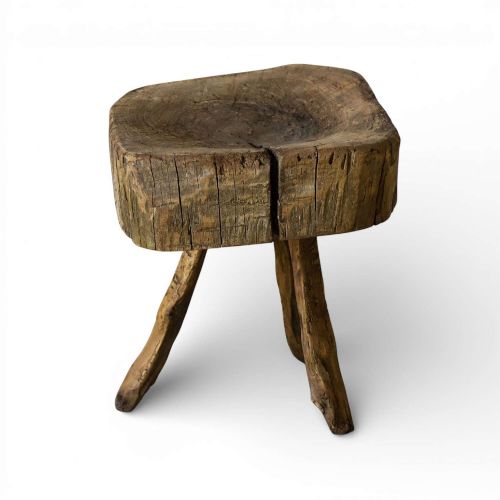
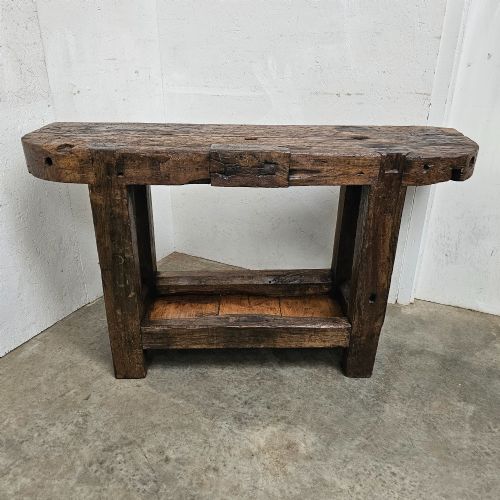
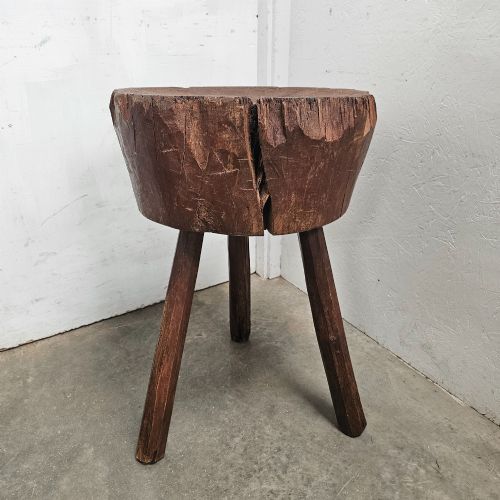
Primitive wood furniture comprises utilitarian seats, benches, and tables shaped from solid timbers like ash, elm, and oak during the seventeenth, eighteenth, and nineteenth centuries.
Primitive Wood Furniture
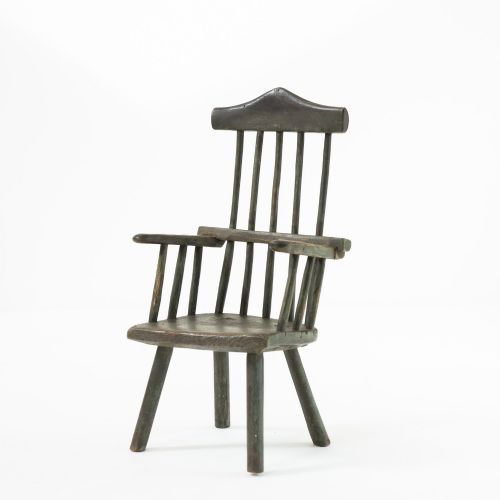
The versions most frequently met on this page span the seventeenth to the nineteenth centuries, reflecting the vernacular rural styles of their makers. Common forms feature robust seating such as comb back Windsors alongside functional blocks and occasional tables designed for farmhouses, dairies, and workshops.
Materials and construction
Makers utilised solid timbers readily available in local woodlands, relying primarily on ash, elm, oak, pine, and yew for structural integrity. Fruitwood and laburnum also appear in mixed timber seating, supplying contrasting tones and dense grain to high-wear components.
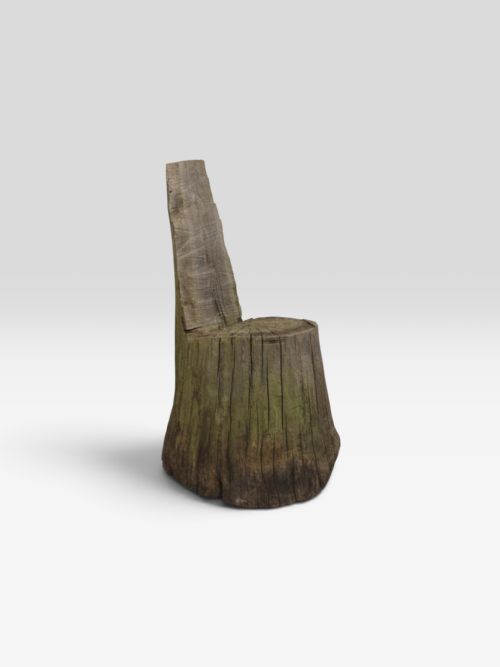
Joinery techniques prioritised strength over refinement, employing pegged joints, through-wedged legs, and dug-out construction carved directly from solid logs. Gnarled natural roots and branches served as organic supports for rustic seats and heavy chopping blocks.
Primitive Wood Furniture Retail Price Guide 2026
Typical asking prices for primitive wood furniture among the pieces listed under this phrase on Sellingantiques today, from the lower quarter to the upper quarter. They describe what is for sale here now, not the wider market.
Markers of quality
Quality in these utilitarian pieces rests in the integrity of the original construction and the sculptural honesty of the primary timbers. Examples retaining their untouched patination, original tool marks, and uncompromised structural wedging command greater appreciation than those altered by later intervention.
The sophistication of regional design further distinguishes the range, such as the balanced proportions found in Welsh comb back Windsors or the purposeful heft of French chopping blocks. Mastery of the material shows in how seamlessly functional requirements align with expressive, unpretentious form.
The Primitive Wood Furniture Glossary
- Comb back
- A chair back construction where the vertical spindle staves extend up through the bentwood armrail to form an additional horizontal top rail resembling a comb. This design offers enhanced structural rigidity and back support.
- Dug out
- A form of furniture carved entirely from a single solid section of tree trunk rather than assembled from separate boards. Such pieces represent an ancient woodworking method.
- Cricket table
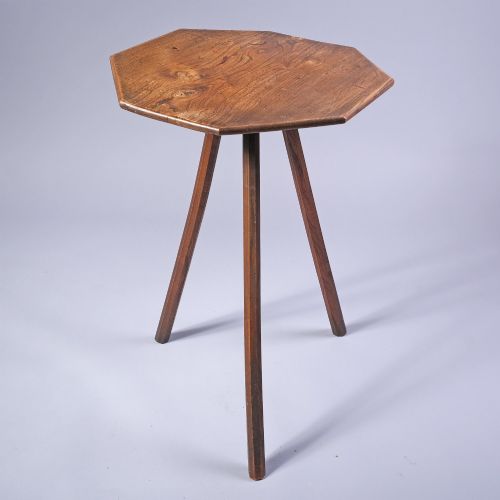
- A small, lightweight three-legged table traditionally used on uneven flagged cottage floors. The three-legged format ensures the table remains stable without rocking.
- Stick chair
- A regional seating form where turned or shaped wooden sticks are tenoned directly into a solid wooden seat slab. These chairs bypass traditional frame joinery in favour of direct pegging.
- Vernacular
- Architecture and furniture shaped by local traditions, available materials, and practical necessity rather than academic architectural styles. These items reflect regional building habits.
Primitive Wood Furniture: Frequently Asked Questions
What is primitive wood furniture?
Primitive wood furniture encompasses utilitarian domestic and working items created by rural makers using local solid timbers.
These pieces prioritise straightforward function over academic design, resulting in honest forms like Windsor chairs, workbenches, and cricket tables.
How were stick chairs built?
Stick chairs were constructed by boring holes directly into a solid wood seat slab and inserting shaped wooden legs and back spindles.
Makers secured these components using wedges driven into the top of the tenons for permanent strength.
Where do these pieces originate?
The pieces originate from rural workshops across Britain, France, Sweden, and Catalonia, reflecting local timber availability and regional woodworking traditions.
Specific areas like Welsh counties developed distinct stick chair designs passed down through generations.
How do I care for primitive furniture?
Maintain these wooden surfaces by keeping them away from direct heat sources and sudden humidity changes that cause timber to split.
Apply occasional natural wax to nourish the dry grain without masking the historic patination accumulated over centuries.
How do I identify a Welsh Windsor?
Welsh Windsors are typically distinguished by their distinctive comb back arrangement and the use of native timbers like ash, elm, and burr elm.
Many examples feature characterful saddle seats sculpted for comfort by regional makers working in localities such as Snowdonia.