

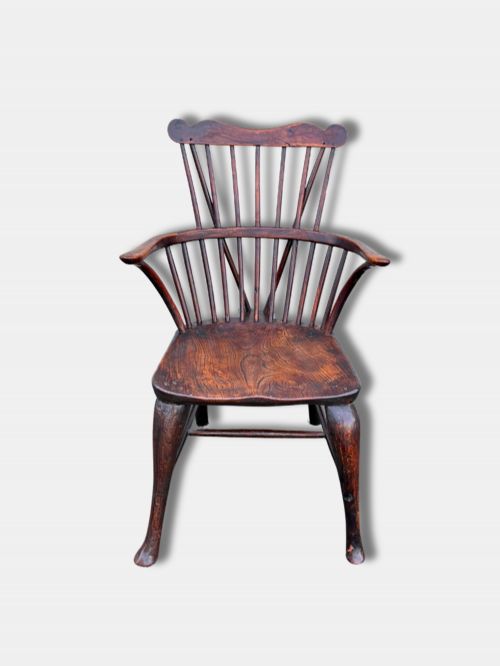


Primitive Wood Chair
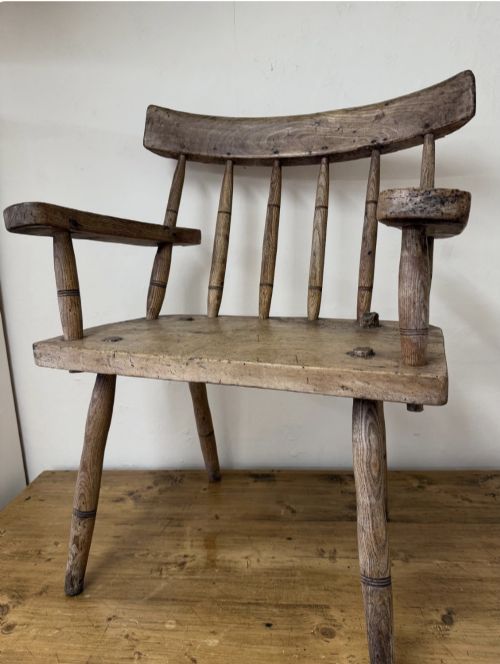
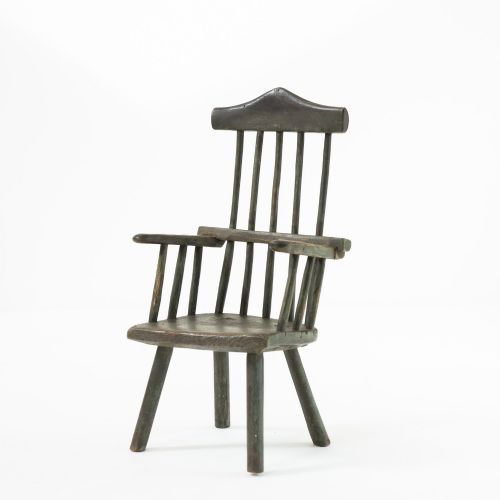
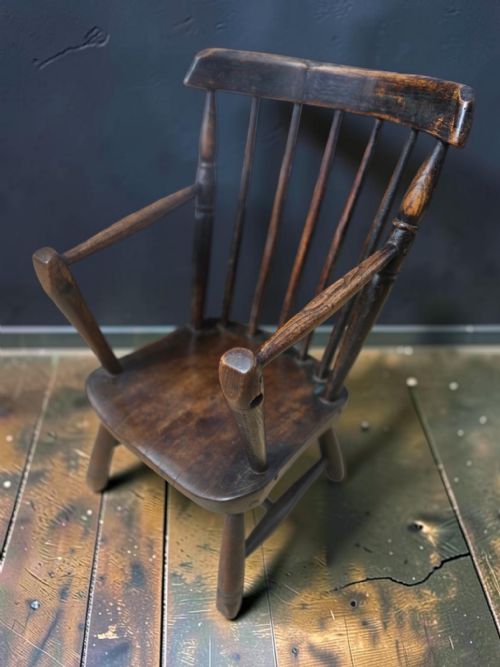
These primitive wood chair examples range from Welsh comb backs to Swedish dug outs, shaped by local hands from solid timber.
Primitive Wood Chair
A primitive wood chair represents regional vernacular seating shaped by local makers during the eighteenth and nineteenth centuries. These pieces encompass armchairs, accent chairs, children's high chairs, and children's armchairs designed for utility rather than courtly fashion.
The buyer most frequently meets nineteenth century examples alongside Georgian and Edwardian versions. Forms span stick back armchairs, comb back Windsors, dug out chairs, and natural form oak seats.
Origins stretch across the Thames Valley, West Country, and Wales, alongside Swedish and African pieces. Vernacular styles include Gothic Revival and folk art traditions that prioritize regional character over standardised factory production.
Materials and construction methods
Makers utilised solid timber such as elm, ash, yew, oak, fruitwood, laburnum, and burr elm. These native hardwoods provided the structural strength required for seats, spindles, and legs.
Construction relied on traditional joinery where legs and stick backs were wedged directly into carved or solid wood seats. Surface finishes range from natural timber grain to old paint.
Primitive Wood Chair Retail Price Guide 2026
Typical asking prices for primitive wood chair among the pieces listed under this phrase on Sellingantiques today, from the lower quarter to the upper quarter. They describe what is for sale here now, not the wider market.
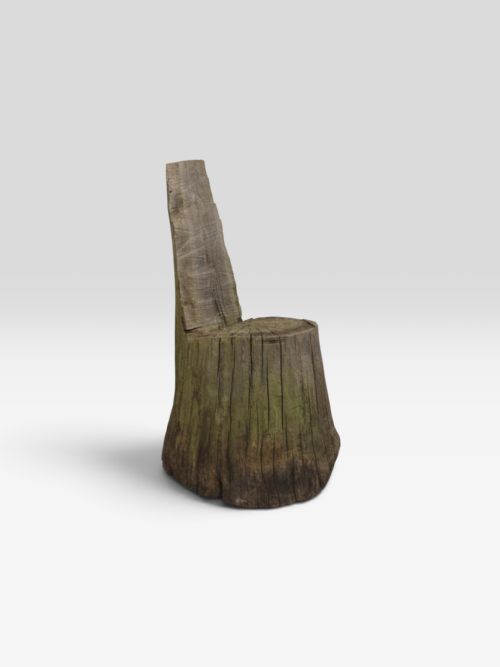
One tree sculptural seat literally brings the forest indoors with organic timber curves.
Evaluating quality in rustic seating
Quality rests on the integrity of the timber selection and the harmony of the regional form. Chairs combining multiple woods like yew, elm, and ash display greater ambition than simpler single timber builds.
Proportion and the handling of natural forms dictate the distinction between everyday utility items and accomplished folk art. The integration of stick backs, comb backs, or carved dug out bowls reveals the maker's skill.
The Primitive Wood Chair Glossary
- Comb back Windsor
- A Windsor chair variation where the vertical spindles of the back extend upward through a top rail to resemble a comb. This regional design appears frequently in eighteenth century Welsh and Thames Valley pieces.
- Dug out chair
- A primitive seat hewn directly from a single solid log or trunk. Makers hollowed the timber to form a continuous seat and low back.
- Stick back
- A chair construction method utilising turned or cleft wooden rods inserted into a solid wood seat. These simple supports form the backrest.
- Vernacular
- Architecture or objects built by local craftspeople using traditional methods and local materials. These pieces reflect regional customs rather than academic architectural styles.
- Burr elm
- Elm wood featuring distorted grain patterns caused by tree growth anomalies. Makers prized this material for its decorative figuring on chair seats and backs.
Primitive Wood Chair: Frequently Asked Questions
What is a primitive wood chair?
A primitive wood chair is a piece of vernacular seating built by local artisans using regional timbers rather than following formal factory designs. These items include stick backs, Windsors, and dug outs made for everyday use.
They date primarily from the eighteenth and nineteenth centuries, reflecting the distinct building traditions of areas like Wales, the Thames Valley, and the West Country.
How were these chairs used historically?
These seats served practical functions in farmhouses, cottages, and rural homes where durable furniture was essential. Smaller versions, including children's chairs and high chairs, accommodated younger family members.
Their robust construction of elm, ash, and oak ensured they withstood heavy daily wear in domestic settings.
How do I date an old wooden chair?
Dating relies on examining the tool marks, timber species, construction joints, and overall regional style. Eighteenth century examples often feature comb backs and native hardwoods like yew and burr elm.
Nineteenth century pieces may incorporate Gothic Revival influences or simpler folk art forms shaped by local traditions.
Where should I place one at home?
These chairs suit quiet corners, hallways, or living spaces where their sculptural forms and natural wood grains can be appreciated. Their organic shapes pair well with contemporary and traditional interiors alike.
Position them away from direct heat sources to protect the aged timber and historic surface patination.