

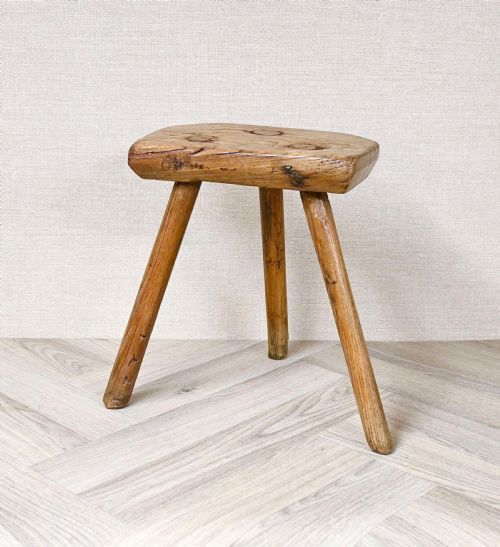


Primitive Wood Carving
These pieces of primitive wood carving span centuries of vernacular work, offering direct tactile contact with historical utility and handcrafted form.
Primitive Wood Carving
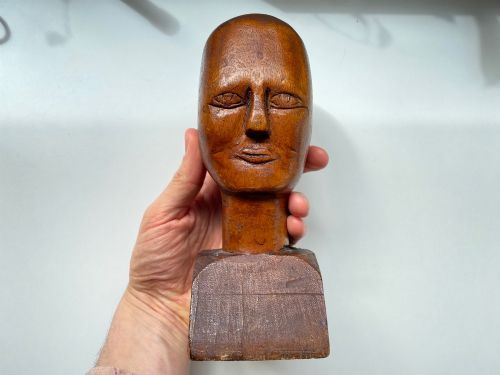
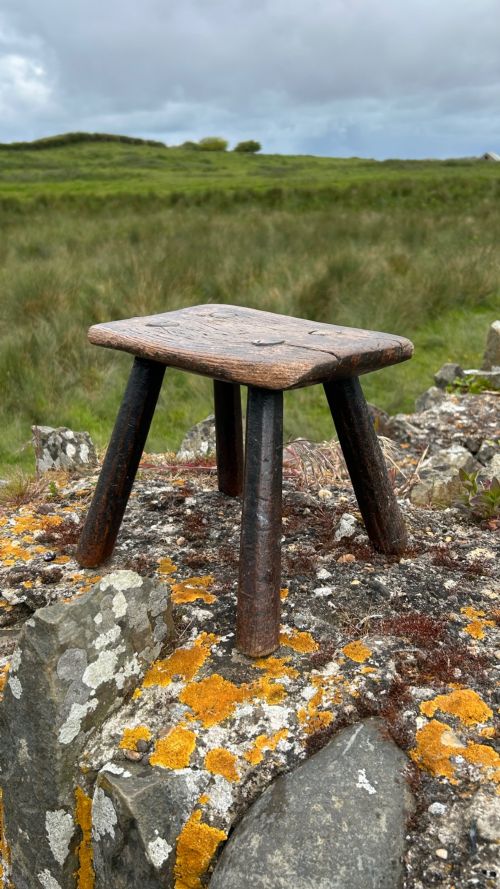
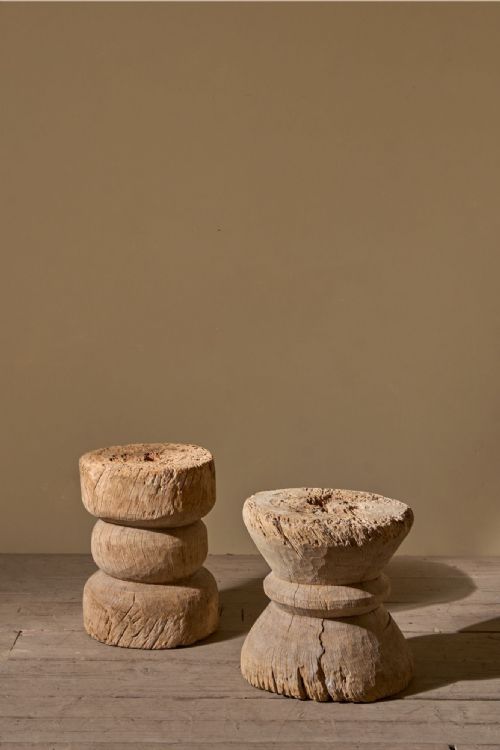
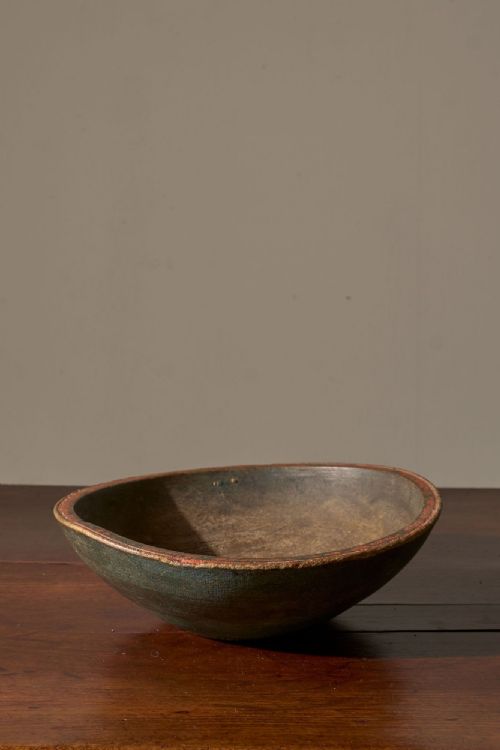
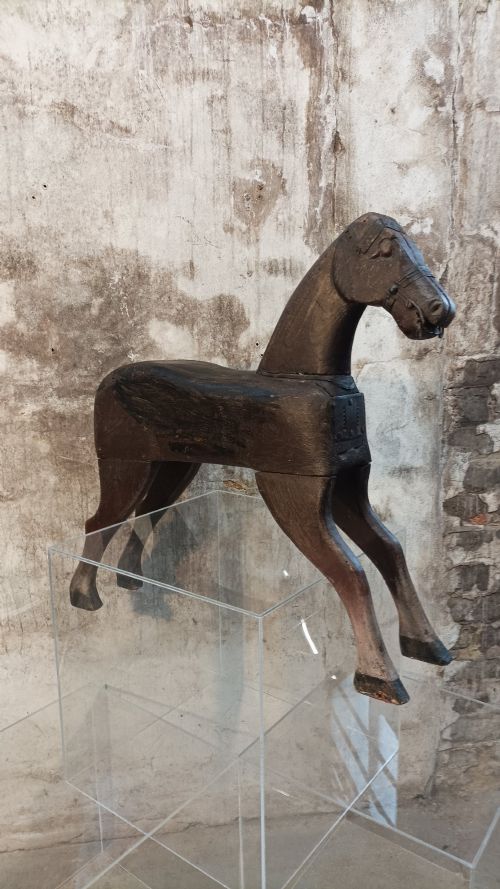
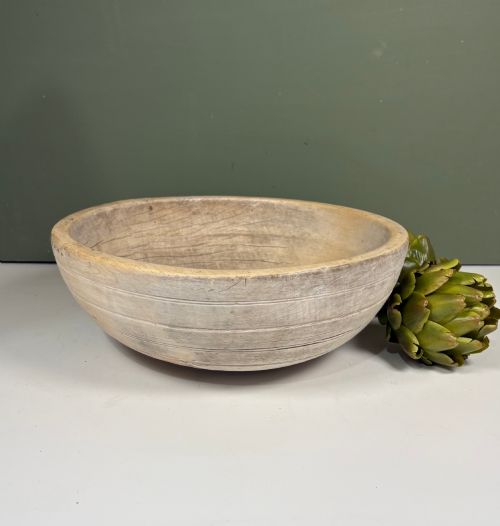
A primitive wood carving encompasses items made for everyday function or vernacular display, shaped by hands working outside mainstream academic traditions. The selection spans utilitarian vessels and seating, including dairy bowls, milking stools, and dugout chairs, alongside decorative animal sculptures and folk art figures.
The objects frequently date from the eighteenth and nineteenth centuries, with occasional examples stretching back to the sixteenth century or forward into the twentieth. Regional domestic traditions predominate, alongside distinct groupings of Scandinavian country, African tribal, and folk art origins.
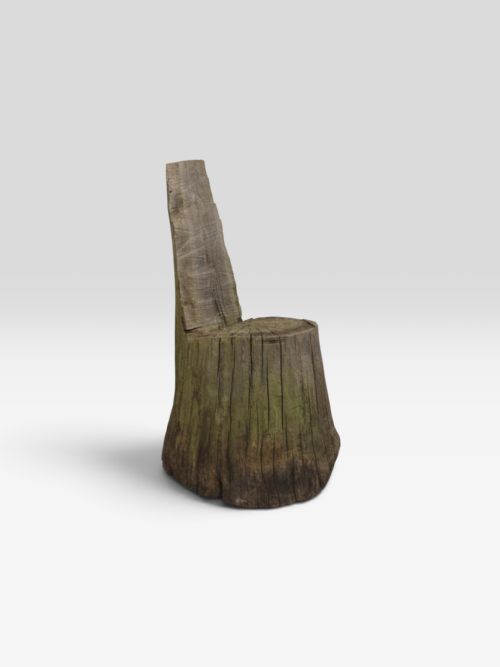
Seating forms range from natural form child stools to Windsor armchairs and dug out chairs, while turned and carved wooden vessels include mortars, troughs, and strainers. Each piece retains a direct utilitarian logic, born from rural workshops and domestic necessity rather than urban academic design.
Materials and construction methods
Construction relies upon native timbers chosen for local availability and specific functional demands, drawing on oak, pine, elm, sycamore, yew, fruitwood, and laburnum. Woods are frequently handled in the solid timber, utilising whole tree trunks for dug out bowls, planters, and seating blocks.
Working methods rely on adzes, gouges, drawknives, and lathes, leaving clear tool marks across the surfaces of bowls, stools, and sculptural figures. Many pieces retain traces of historic paint, showing how utilitarian items were finished or later decorated within domestic interiors.
Primitive Wood Carving Retail Price Guide 2026
Typical asking prices for primitive wood carving among the pieces listed under this phrase on Sellingantiques today, from the lower quarter to the upper quarter. They describe what is for sale here now, not the wider market.
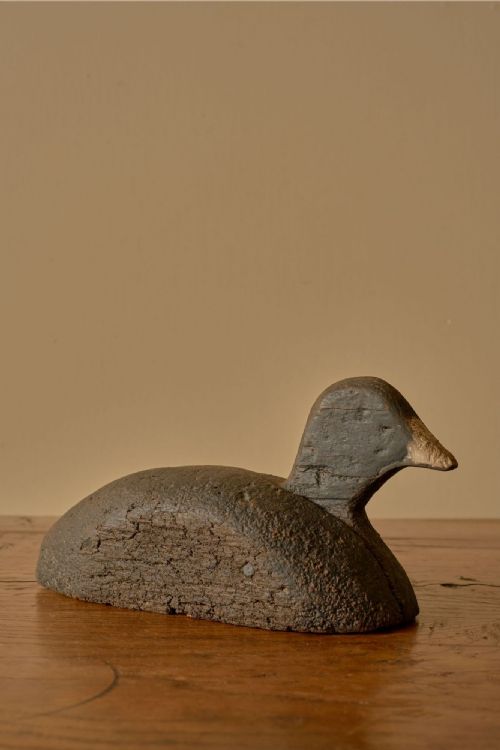
Among the seating and vessels sits a decoy duck, proving that carvers turned their hands just as readily to luring waterfowl.
Assessing quality in vernacular carving
Quality rests in the honesty of the form and the integrity of the remaining surface skin, where untouched patination and visible tool marks reveal the maker's hand. Pieces that retain their original paint or uncompromised weathered timber hold greater visual strength than those stripped or overly sanded down.
Proportion and structural balance separate standard utilitarian survivors from exceptional sculptural objects. A dug out chair or folk art figure succeeds through a confident, unpretentious handling of volume and weight.
The Primitive Wood Carving Glossary
- Dug out
- A method of hollowing a single solid log or tree trunk to form a vessel, seat, or trough. This ancient technique requires heavy gouging and adzing.
- Folk art
- Creative output produced by self-taught makers working within community traditions rather than academic fine art schools. These objects prioritize utility and direct expression over formal proportion.
- Tramp art
- A style of woodworking where items are chipped, notched, or whittled from scrap timber, cigar boxes, and packaging crates. It is most commonly found on small frames and decorative boxes.
- Dairy bowl
- A wide, shallow wooden vessel utilised in traditional dairy work for setting milk and skimming cream. They are typically turned or carved from dense hardwoods like sycamore.
- Natural form
- A descriptor for furniture and objects that incorporate the organic curves, branches, or roots of a tree directly into the finished piece.
Primitive Wood Carving: Frequently Asked Questions
How were these wooden items originally used?
Most of these objects served mundane, demanding roles in rural homes, dairies, and farmyards. Bowls held milk or food, stools provided seating for milking or fireside tasks, and yokes carried heavy loads across shoulders.
Over decades of daily handling, these practical tools acquired heavy wear and smooth patination that modern collectors prize as visual history.
How do I care for primitive wood carvings?
Keep these items away from direct heat sources, radiators, and strong sunlight to prevent the timber from drying out, shrinking, or splitting. Maintain a stable indoor humidity where possible.
Dust the surfaces gently with a dry, soft cloth and avoid applying modern polishes, waxes, or oils unless the dry wood specifically requires preservation.
Can I use these antique bowls for food?
Historic wooden vessels, particularly those retaining old paint, dry timber, or historical residue, are generally best kept for display rather than culinary use. Their porous nature can absorb moisture and harbour bacteria.
Treat them as sculptural artefacts of social history rather than functional kitchenware to preserve their surfaces and structural integrity.
How can I tell the age of a primitive carving?
Dating relies on identifying the tool marks left by adzes and saws, alongside the species of timber and the specific vernacular form. Wear patterns from hands and feet offer clues to prolonged age and use.
Comparison with documented regional styles helps narrow down the period, though vernacular objects often resisted rapid stylistic change.