

Primitive Stool
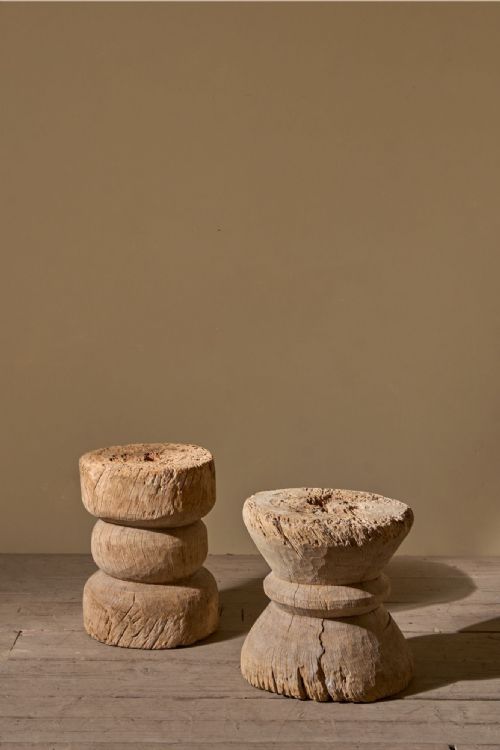
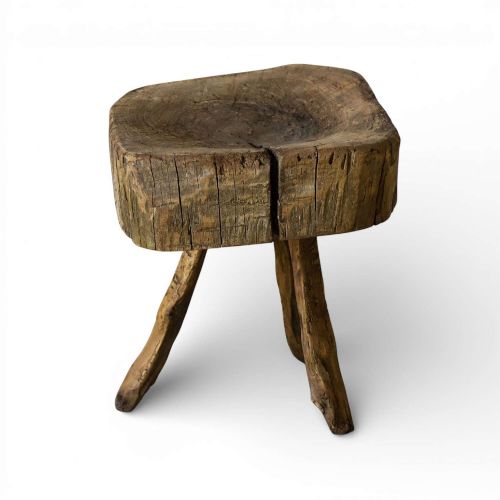
A primitive stool brings unpretentious utility and direct sculptural form into a room, shaped by hands that worked outside mainstream urban workshops.
Primitive Stool
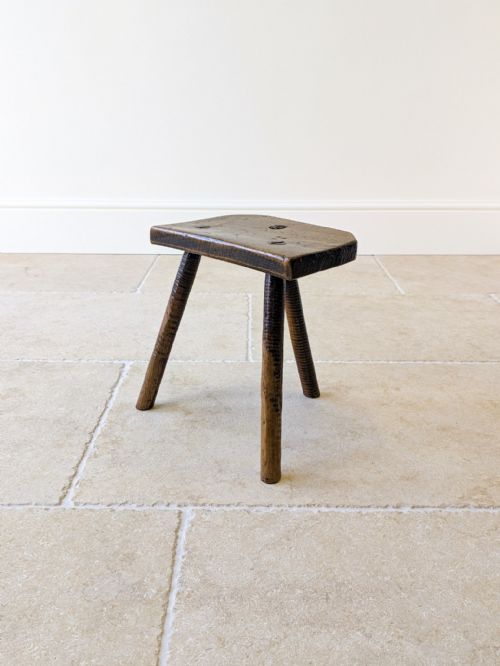
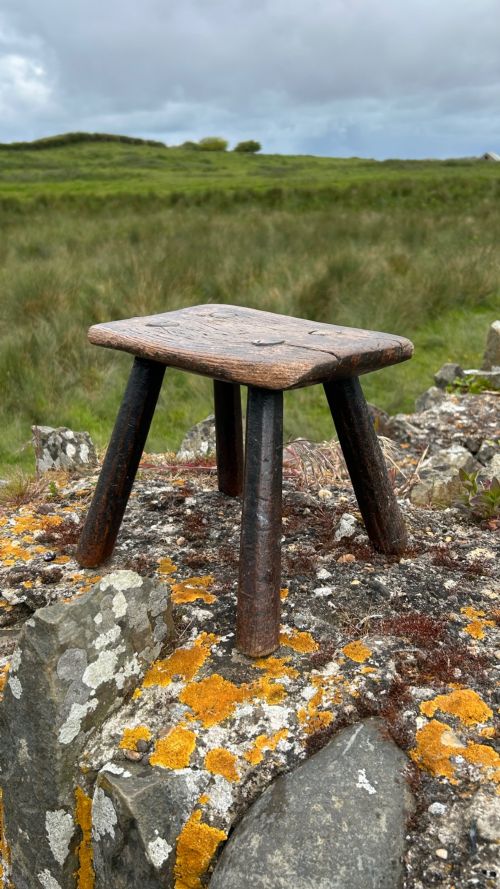
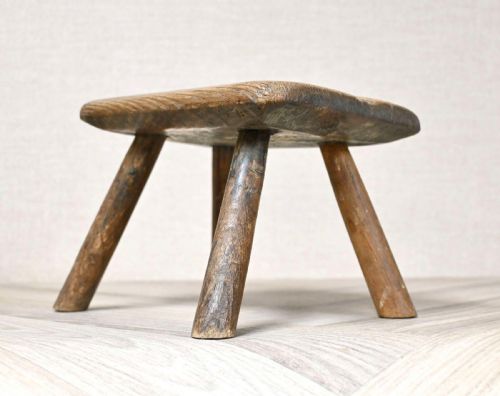
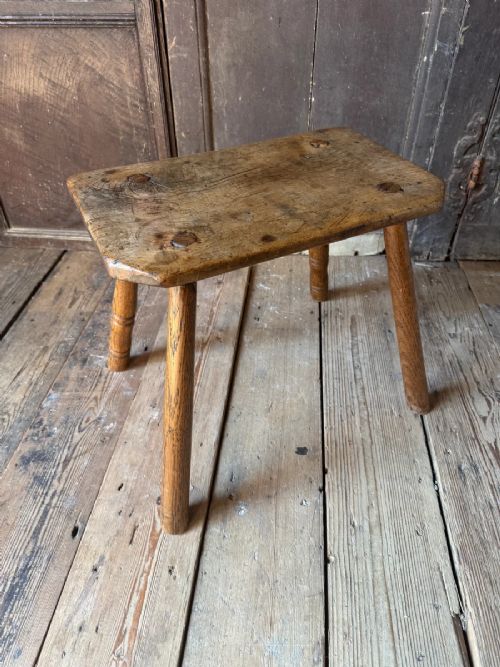
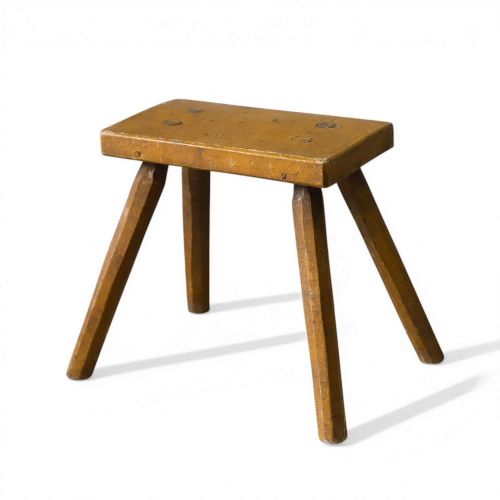
A primitive stool is an honest piece of vernacular seating, shaped by regional makers to serve daily domestic, agricultural or workshop tasks. When you search for a primitive stool, you encounter items built for purpose rather than fashion, originating from periods spanning the seventeenth to the early twentieth century.
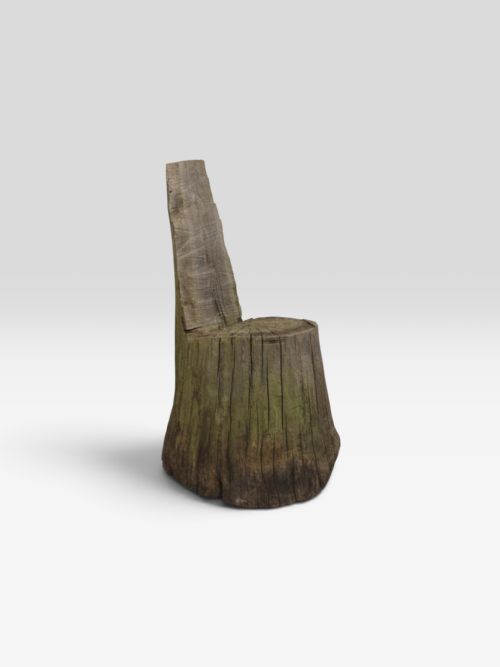
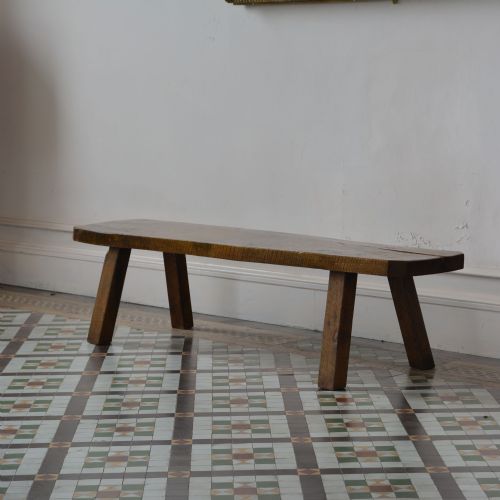
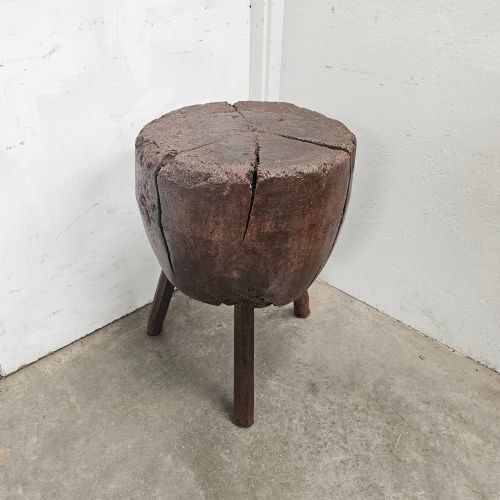
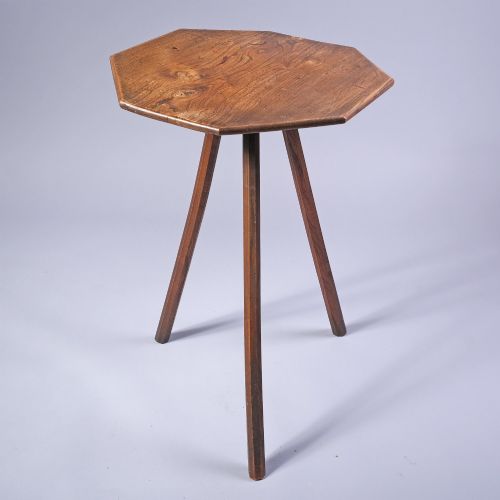
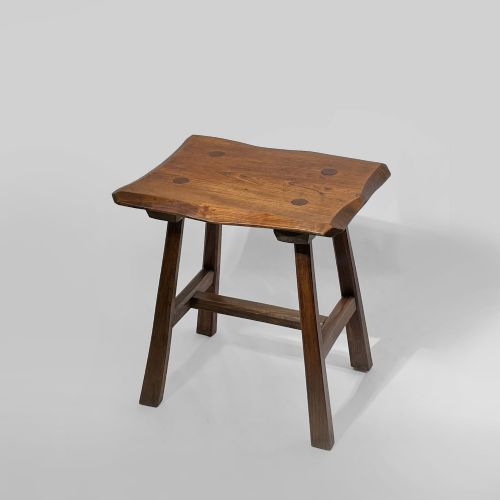
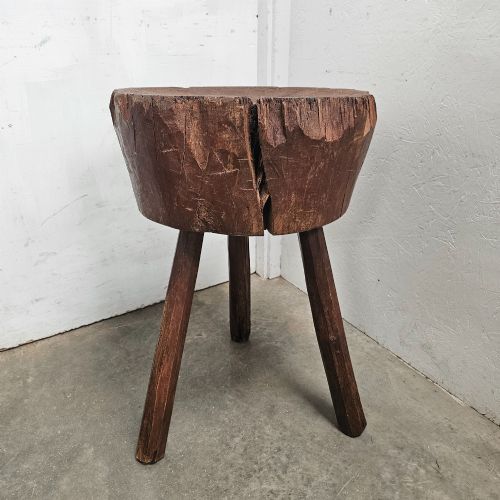
The versions most commonly met on this page include three-legged milking stools, low hearth seats and sturdy chopping blocks fashioned from local timber. These pieces range from simple English country seating to French game blocks, Eastern European painted examples and African tribal forms.
Makers drew on available resources, resulting in objects that double as functional furniture and natural sculpture. Their appeal lies in the visible evidence of long use, tool marks and unpretentious domestic utility.
Materials and construction
Makers relied on solid native timbers such as elm, oak, ash, sycamore, beech and pine, selecting woods based on local availability and specific structural needs. Seats were often carved from thick slabs or tree sections, while legs were wedged or joined using straightforward vernacular carpentry techniques.
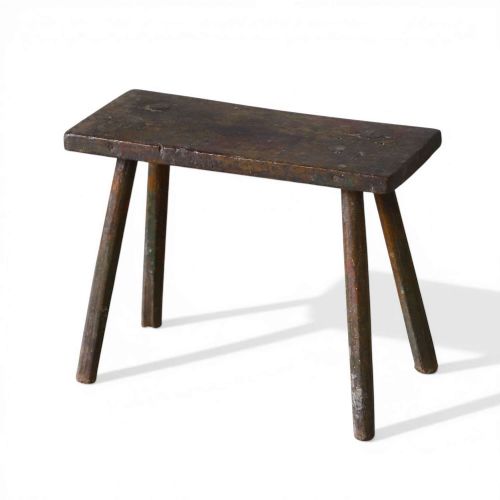
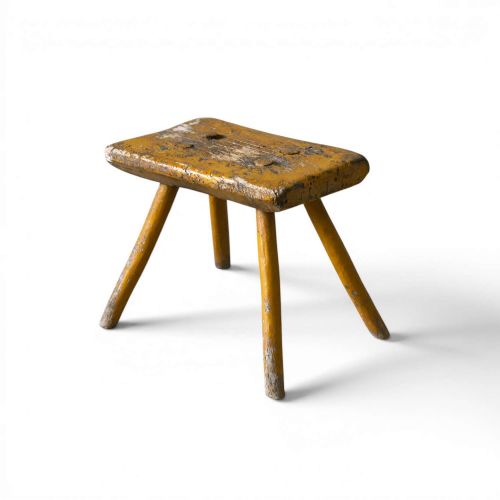
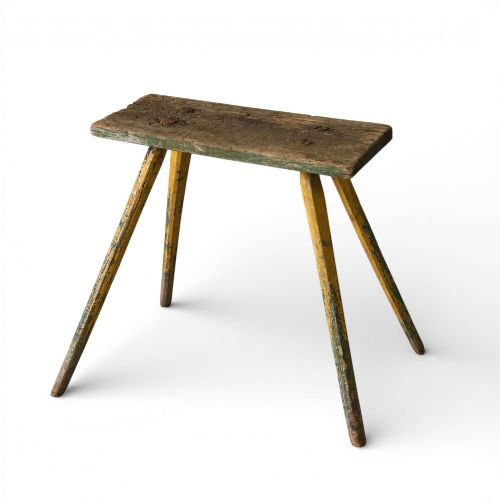
Blacksmith repairs, splayed legs and original paint surfaces, from ochre to green, frequently survive on these pieces. The construction prioritises stability and endurance over decorative refinement, leaving tool marks and natural grain patterns exposed.
Primitive Stool Retail Price Guide 2026
Typical asking prices for primitive stool among the pieces listed under this phrase on Sellingantiques today, from the lower quarter to the upper quarter. They describe what is for sale here now, not the wider market.
Listings include items fashioned from solid oak, elm, ash, pine and sycamore, alongside pieces retaining original paint in yellow, green and ochre.
Judging quality in rustic seating
Quality in a primitive stool rests on the integrity of its original construction and the character of its surface wear. Examples retaining early or original paint surfaces, untouched patination and honest blacksmith repairs hold greater interest than those stripped down or heavily restored.
Proportion and balance also distinguish the better pieces, where natural forms and gnarled legs support a seat with sculptural presence. The best examples combine structural honesty with an unforced harmony between material and utility.
The Primitive Stool Glossary
- Vernacular
- Everyday furniture made by local craftsmen for regional use, without adherence to high-style academic design. It reflects local traditions and available materials.
- Milking stool
- A small, usually three-legged seat designed for stability on uneven agricultural floors. The three-legged format ensures the seat rests firmly without rocking.
- Splayed legs
- Legs angled outwards from the centre of the seat to provide a wider, more stable base. This technique is common in vernacular seating to prevent tipping.
- Patina
- The surface sheen and colour developed over decades or centuries through handling, wear and waxing. It indicates age and organic use.
- Game block
- A heavy timber block or low table used in food preparation and game processing. These pieces feature thick, solid tops bearing the marks of active use.
Primitive Stool: Frequently Asked Questions
What is a primitive stool?
A primitive stool is an unpretentious, utilitarian seat made by regional craftsmen using local timber and traditional woodworking methods.
These pieces were built for practical tasks in homes, farms and workshops rather than for formal display.
How do I date a primitive stool?
Dating relies on identifying timber species, construction techniques, tool marks and the presence of original surface finishes or paint.
Earlier examples often display hand-riven wood, pegged joints and blacksmith repairs characteristic of eighteenth-century and nineteenth-century rural workshops.
How were these stools used?
They served as portable seating for milking cows, sitting by hearths or performing daily domestic and agricultural tasks.
Many sturdy examples also doubled as low work tables, chopping blocks or occasional surfaces.
How should I live with a primitive stool?
A primitive stool functions well as a bedside table, an extra seat or a low display surface for plants and objects.
Keep them away from direct heat sources to protect the dry timber and preserve any historic surface patination.