





Primitive Stick Back Chair
A primitive stick back chair brings rugged country character and honest regional craftsmanship straight into a modern interior.
Primitive Stick Back Chair
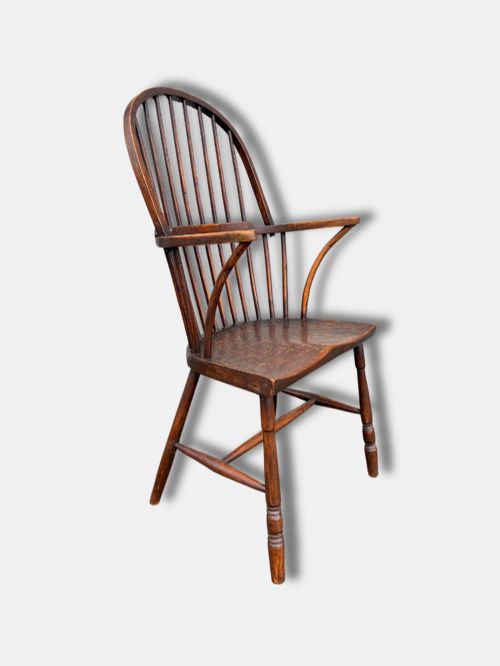
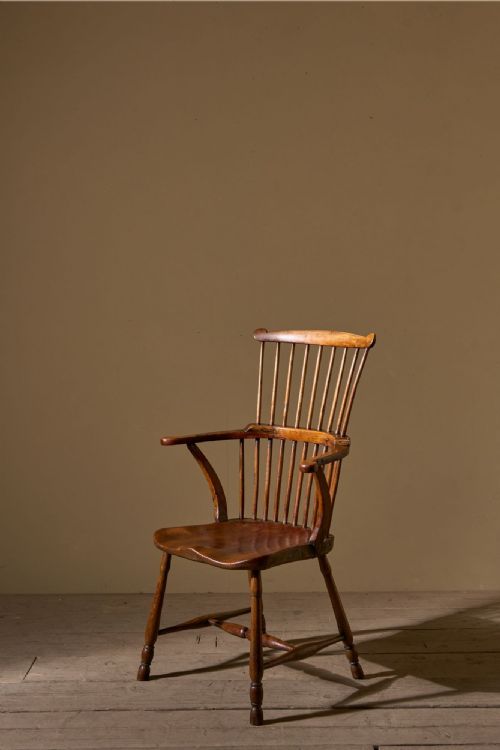
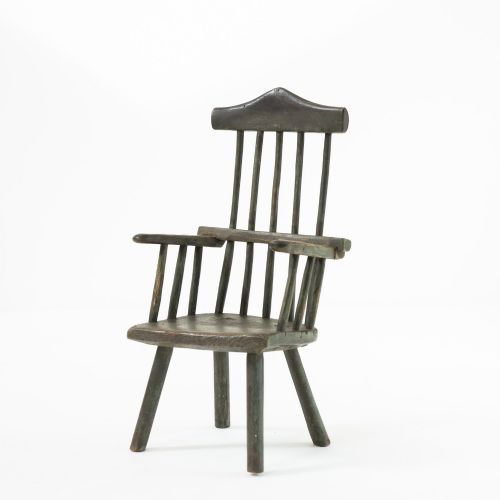
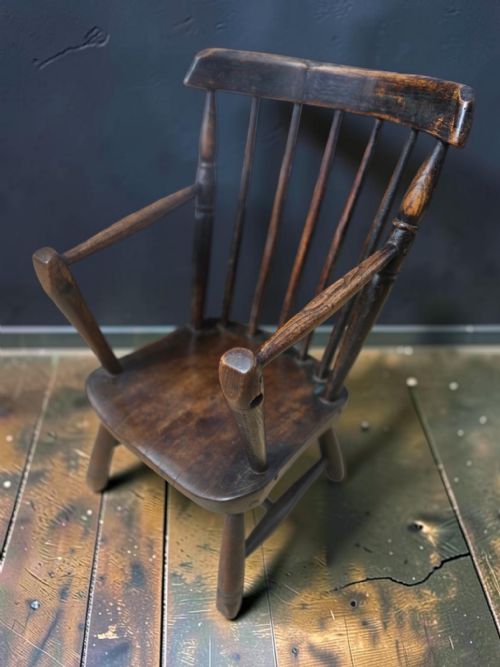
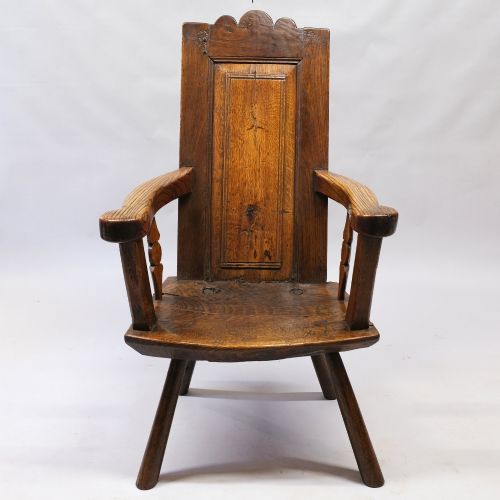
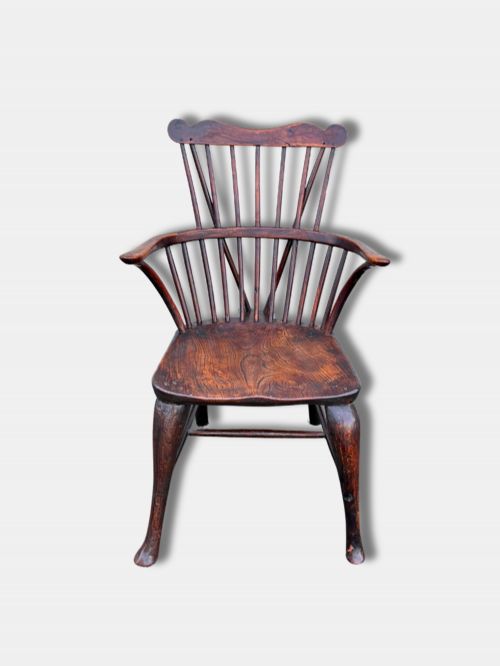
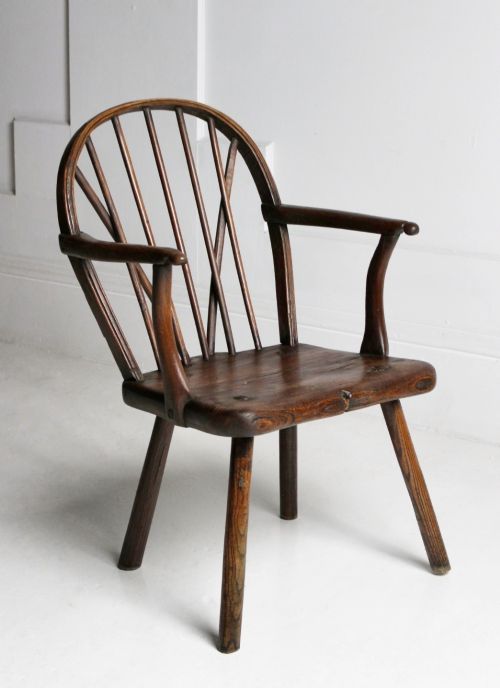
The version most commonly encountered on this page is the country armchair featuring a carved wooden seat, slender spindles, and distinct regional framing. Examples span Welsh vernacular designs, Thames Valley windsor chairs, and West Country pieces created using locally sourced timber.
Makers working within these traditions produced robust seating encompassing distinct regional variations, from comb-back forms to low stick backs and hoop-backed childrens chairs. Each piece reflects the specific vernacular style of its local workshop and period of origin.
Materials and construction
Construction relies on combining contrasting woods to handle different structural demands within a single chair. Elm frequently forms the solid, carved seat, while ash provides strong spindles and legs, and yew or fruitwood supplies bent elements or decorative accents.
Rural craftsmen used green wood techniques alongside seasoned timbers, shaving spindles on a bodbench and boring legs directly into thick plank seats. Surfaces often retained original paint, scraped finishes, or simple wax layers that highlight the natural grain of elm, ash, and laburnum.
Primitive Stick Back Chair Retail Price Guide 2026
Typical asking prices for primitive stick back chair among the pieces listed under this phrase on Sellingantiques today, from the lower quarter to the upper quarter. They describe what is for sale here now, not the wider market.
The listings on this site span the eighteenth and nineteenth centuries, featuring regional styles from Wales, the Thames Valley, and the West Country.
Assessing quality and craftsmanship
Quality separates chairs shaped by skilled regional joiners from simpler utilitarian seating through the balance of proportions and the selection of figured timbers. Burr elm seats, well-turned arm supports, and clean steam-bent comb backs distinguish superior country pieces from plain workshop output.
The integrity of the original joints and the survival of early or original paint surfaces heavily influence the standing of a chair. Pieces that retain their unreduced height and original wedged legs demonstrate greater integrity than heavily restored examples.
The Primitive Stick Back Chair Glossary
- Comb-back
- A Windsor chair variation where the back spindles extend upward into a horizontal crest rail resembling the teeth of a comb. This regional style appears frequently in Welsh and Thames Valley chairs.
- Vernacular
- Architecture and furniture built by local craftsmen using traditional regional methods and local materials, bypassing academic design rules. These pieces reflect specific geographic traditions like Welsh or West Country styles.
- Lobster pot
- A descriptive term for a curved, multiple-spindle chair back that tapers inward toward the top. The arrangement resembles the wooden slats of a traditional fishing trap.
- Panel-backed
- A chair construction method incorporating a solid wooden panel within the backrest rather than open spindles. This form often appears on mid-eighteenth-century examples.
- Stick back
- A seating form constructed by inserting individual turned or shaved wooden sticks directly into a solid plank seat. These sticks form both the legs and the structural elements of the back.
Primitive Stick Back Chair: Frequently Asked Questions
How do I date a primitive stick back chair?
Dating relies on examining tool marks, timber selection, and structural evolution across the eighteenth and nineteenth centuries. Earlier examples from around 1750 to 1780 often feature heavier plank seats, ash undercarriages, and distinct regional comb-back forms.
Later nineteenth-century pieces tend to show standardised turning, lighter scantlings, and machine-sawn components. Comparing the joinery methods against documented regional types provides a clearer window into the decade of production.
Are these chairs comfortable for daily use?
Many of these rustic armchairs offer surprising ergonomic comfort due to the deep saddle-shaping carved into the solid elm seats. The raked stick backs provide supportive angles for upright sitting.
Because seat heights and arm clearances vary widely across regional vernacular types, checking individual dimensions ensures a good fit for modern tables or living spaces.
What wood was used to build them?
Craftsmen utilised whichever native hardwoods grew abundantly near their rural workshops, resulting in mixed-timber construction. Elm served as the primary choice for thick, durable seats that resisted splitting.
Ash provided flexible strength for spindles and bent arms, while yew, fruitwood, beech, laburnum, and oak supplied contrasting details or structural framing depending on local availability.
How should I care for an antique wooden chair?
Maintaining these surfaces requires protecting the dry timber and any surviving historic paint from extreme humidity changes and direct heat sources. Applying a gentle microcrystalline wax preserves the aged finish without building up greasy residue.
Avoid modern liquid polishes containing silicone, which penetrate open-grained woods like elm and ash and damage the original patina.