



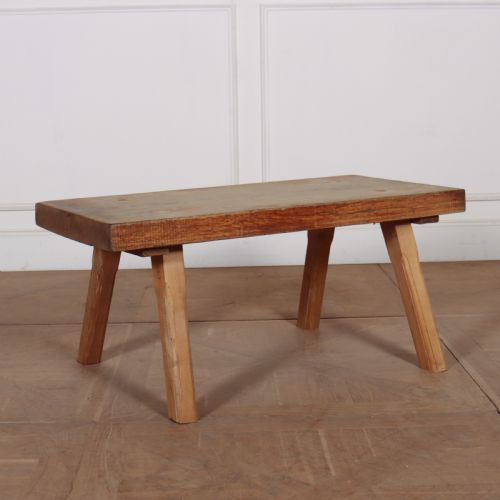


Primitive Low Table
A primitive low table brings honest utility into a modern room, offering low surfaces shaped by generations of domestic work.
Primitive Low Table
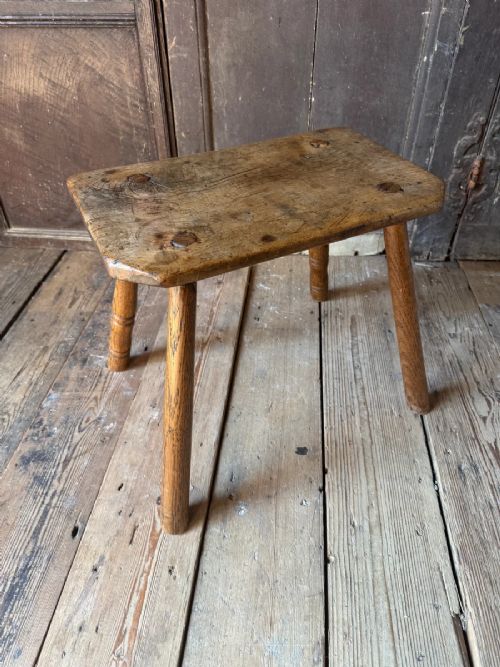
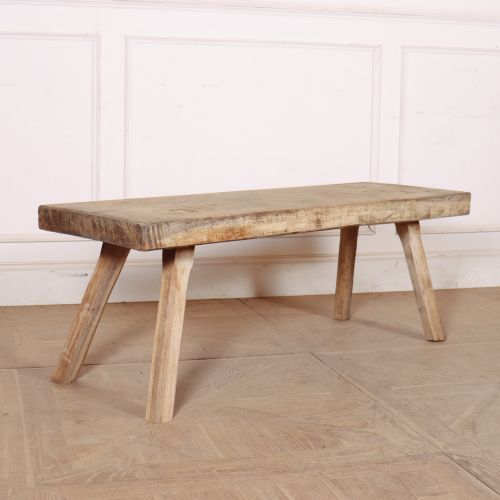
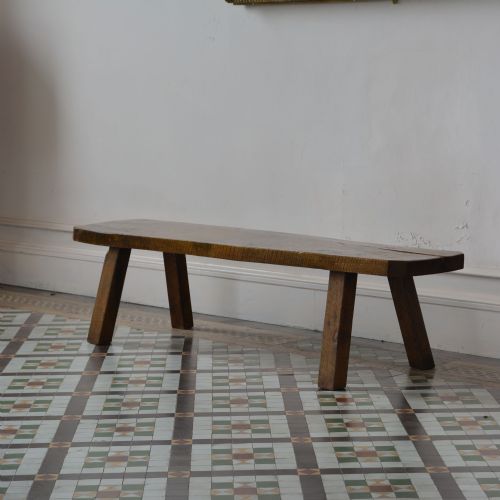
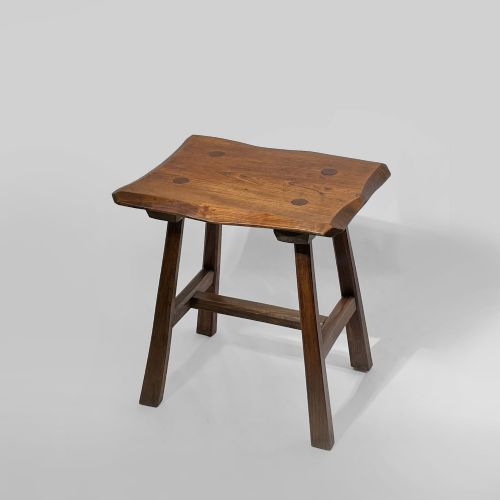
A primitive low table combines utilitarian forms from the eighteenth and nineteenth centuries with low proportions suited to modern living. These pieces often originate as work tables, cobblers benches, pig benches, or stools adapted for low surface use.
The rustic country and rustic farmhouse styles dominate this group, reflecting provincial workshops where function dictated form. Surviving examples display straightforward construction without the refinement of urban cabinetmaking.
Makers utilised native timbers such as oak, sycamore, elm, pine, and ash, creating sturdy surfaces designed for heavy daily tasks. The resulting forms range from narrow benches to small occasional tables with distinct regional character.
How they were made
Carpenters built these tables using robust native woods like oak, elm, and ash, often combining different timbers for tops and underframes depending on workshop stock. Boards were joined simply, relying on pegging and wedged tenons to maintain stability under pressure.
Legs were commonly turned or shaped by hand from dense woods like sycamore or ash, then wedged directly into bored seats or table tops. Iron braces and wrought iron fixings appear where extra reinforcement was necessary for workshop or agricultural tasks.
Primitive Low Table Retail Price Guide 2026
Typical asking prices for primitive low table among the pieces listed under this phrase on Sellingantiques today, from the lower quarter to the upper quarter. They describe what is for sale here now, not the wider market.
Listings feature eighteenth and nineteenth century periods alongside Edwardian and Victorian examples, constructed from elm, oak, ash, sycamore, and pine.
What varies in quality
Quality rests in the integrity of the original structure and the character built up by decades of active service. Tables that retain their original unplaned boards and honest surface wear hold greater visual interest than those stripped down or excessively cleaned.
Proportion and balance distinguish superior examples from standard utilitarian items, as even the most rustic workshop creations required careful setting of the legs. The harmony between the timber top and its supporting frame determines the overall presence of the piece.
The Primitive Low Table Glossary
- Pig bench
- A low wooden bench traditionally used in rural farmhouses for butchery work or general utility. These long, narrow platforms translate well into low coffee tables.
- Vernacular
- Architecture and furniture created by local craftsmen using traditional methods and native materials, without academic design training. This approach produces honest, unpretentious domestic objects.
- Scrubbed
- A finish achieved through repeated vigorous cleaning with water and sand or soap, leaving the raw timber pale and smooth. This process highlights the natural grain of woods like pine and burr walnut.
- Trestle
- A support system consisting of horizontal beams held up by pairs of sloping legs. This construction allows maximum legroom beneath long table tops.
Primitive Low Table: Frequently Asked Questions
What is a primitive low table?
A primitive low table is a utilitarian piece, often adapted from an older work table, bench, or stool, featuring a low profile suited for modern rooms.
These items showcase honest construction and native woods, reflecting rural craftsmanship rather than formal design rules.
How were these tables used originally?
Many of these pieces began life as work benches, cobblers benches, or seating platforms in rural workshops and farmhouses.
Over time, their low height and robust surfaces made them practical for domestic settings as coffee or occasional tables.
How do I care for primitive wood?
Protect the dry or scrubbed surfaces of antique timber by avoiding excess moisture and applying natural waxes sparingly.
Allowing the wood to breathe preserves the historic texture and surface patina developed over centuries.
How can I tell the period?
Dating relies on observing tool marks, timber selection, and construction methods characteristic of eighteenth and nineteenth century workshops.
Simple joinery techniques and regional styles provide clues to the age and origin of each handmade piece.