

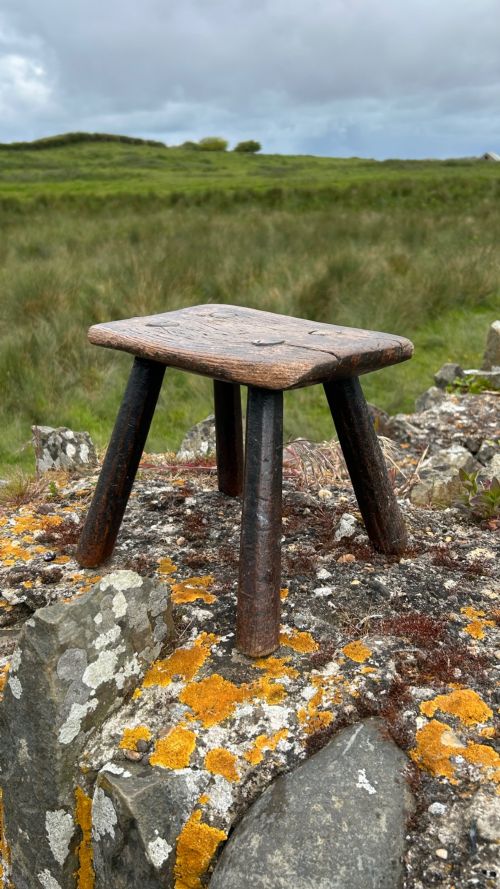
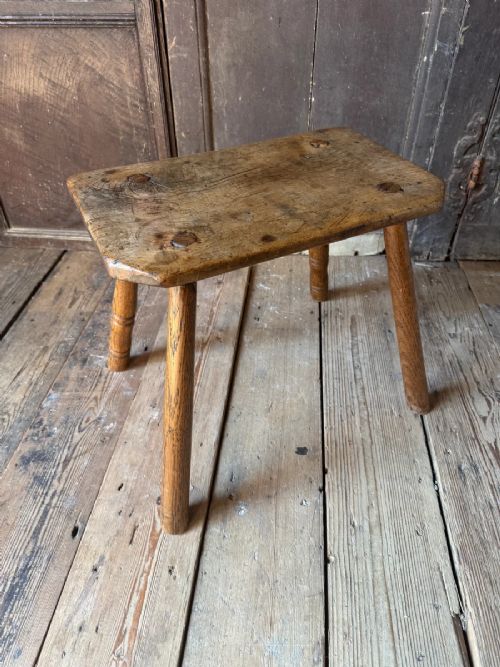
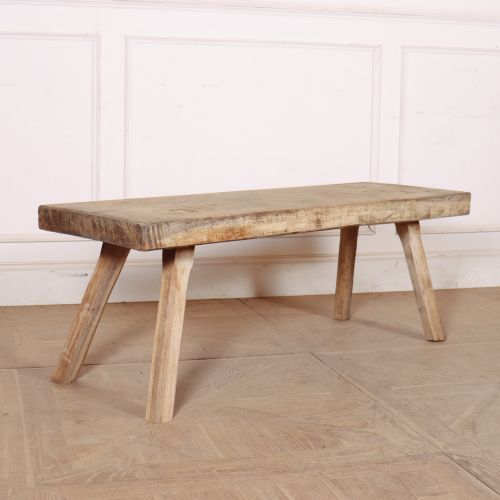
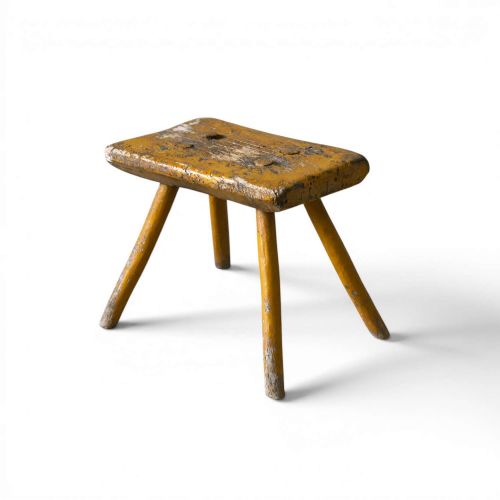



Primitive Low Bench
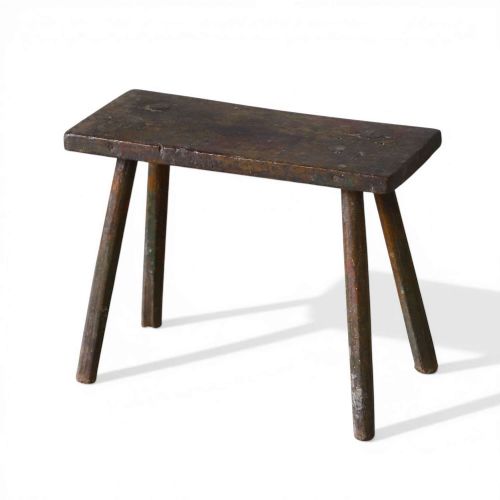
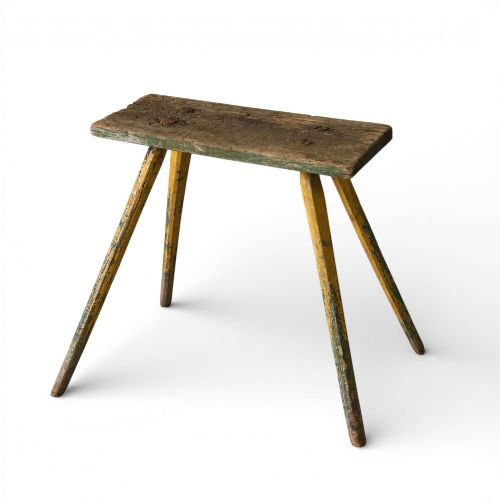
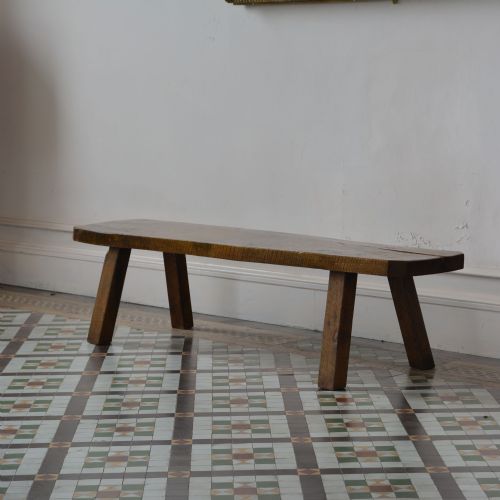
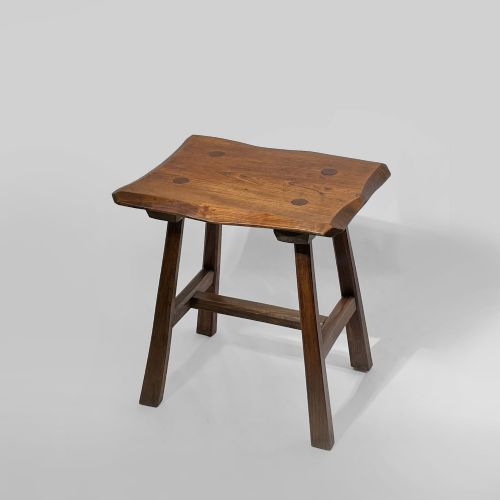
A primitive low bench offers honest utility and rustic character, making it a versatile surface for modern living.
Primitive Low Bench
The pieces span several periods, drawing on 18th century, 19th century, Victorian, Edwardian, and turn-of-the-century vernacular traditions. You will encounter forms originating from British, French, Eastern European, and African tribal workshops.
Makers designed these low forms for specific rural jobs, such as milking livestock, cobbling shoes, or sitting by the hearth. Today, buyers repurpose them as coffee tables, low display stands, and occasional seating in rustic or contemporary interiors.
Materials and construction methods
These pieces rely on solid regional hardwoods and softwoods including oak, elm, ash, sycamore, pine, and timber. Carpenters and rural makers selected locally available timber to build durable, unpretentious furniture.
Many examples retain original surface treatments such as ochre paint, green paint, or aged layers of historic paint. Joinery is straightforward and robust, utilising pegged joints and through-tennons suited to heavy farm labour.
Primitive Low Bench Retail Price Guide 2026
Typical asking prices for primitive low bench among the pieces listed under this phrase on Sellingantiques today, from the lower quarter to the upper quarter. They describe what is for sale here now, not the wider market.
Listings feature pieces from the 18th century, 19th century, Victorian, and Edwardian periods, constructed from oak, elm, ash, sycamore, pine, and painted timber.
Assessing quality in vernacular seating
Quality in a primitive low bench rests on the integrity of the timber and the honesty of the wear. Pieces that retain their original working height and unpainted or authentically painted surfaces command greater interest.
Proportion and structural balance separate utilitarian farm implements from pieces possessing stronger folk art presence. The tactile quality of the wood grain and the comfort of the worn seat dictate the enduring appeal of each bench.
The Primitive Low Bench Glossary
- Vernacular
- Everyday furniture built by local craftsmen using regional styles rather than high-fashion academic designs. These pieces prioritize function and local material availability over courtly ornamentation.
- Pig bench
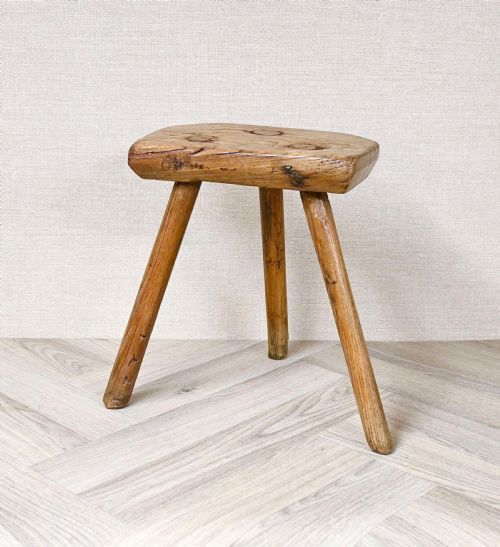
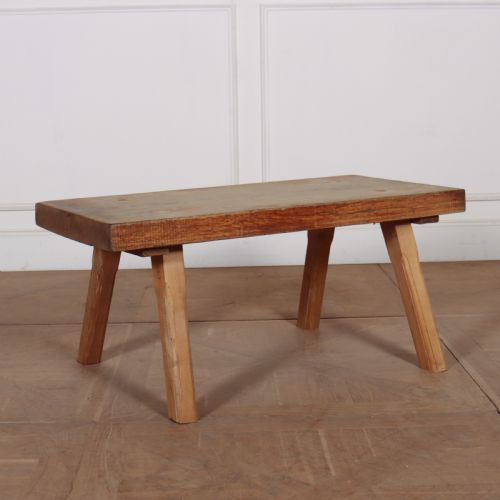
- A low, narrow wooden bench traditionally used in agricultural settings for butchery or farm tasks. Their elongated proportions make them popular today as narrow coffee tables.
- Milking stool
- A small, typically three-legged seat designed for a person to sit close to the ground while milking animals. Their compact footprint and sculptural legs make them desirable decorative objects.
- Cobblers bench
- A specialised low workbench fitted with compartments or troughs for holding tools and leather-working supplies. They provide low, wide surfaces with distinct utilitarian compartmentalisation.
- Folk art
- Utilitarian objects possessing decorative or aesthetic qualities created by self-taught makers. These items often feature expressive painted finishes or unconventional structural solutions.
Primitive Low Bench: Frequently Asked Questions
What is a primitive low bench used for today?
Buyers use these low benches primarily as coffee tables, fireside seating, or display surfaces in living spaces. Their modest height and rustic textures bring warmth and historical contrast to modern rooms.
Because they were built for utility, they easily handle everyday placement while adding grounded character to an interior scheme.
How do I identify the age of a primitive bench?
Dating relies on examining the tool marks, timber species, and construction methods used by the maker. 18th century and early 19th century pieces often display hand-adzed surfaces and pegged joinery.
Wear patterns and the presence of original paint layers, such as ochre or green, also offer strong clues to the period of origin.
Are painted primitive benches original?
Many pieces feature original paint finishes, including historic layers of ochre and green paint applied during their working life. Examining the wear around the edges helps determine if the pigment is period-correct.
Original paint adds significant character and visual depth to folk art furniture and rustic tables.
Can I use a milking stool as a seat?
Milking stools are structurally sturdy and suitable for occasional seating, though their low height and small tops differ from standard chairs. They function best as pull-up seats or decorative pedestals for plants and lamps.
The three-legged design ensures stability on uneven vernacular flagstone or wooden floors.