




Primitive Furniture
Primitive furniture gathers practical tables, chairs, benches and storage crafted by local hands from domestic woods to serve everyday rural life.
Primitive Furniture
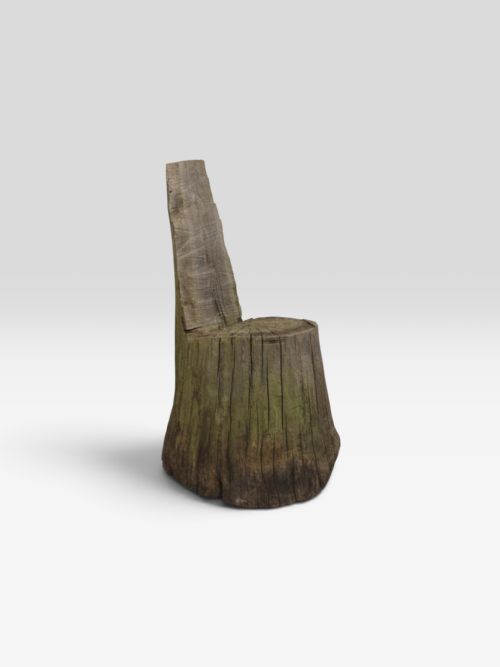
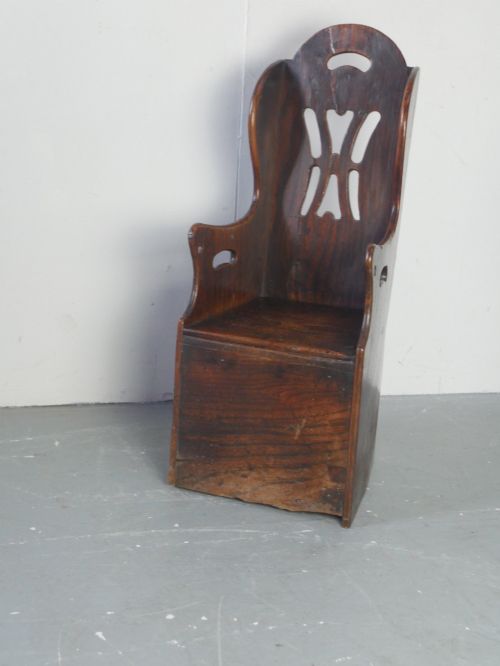
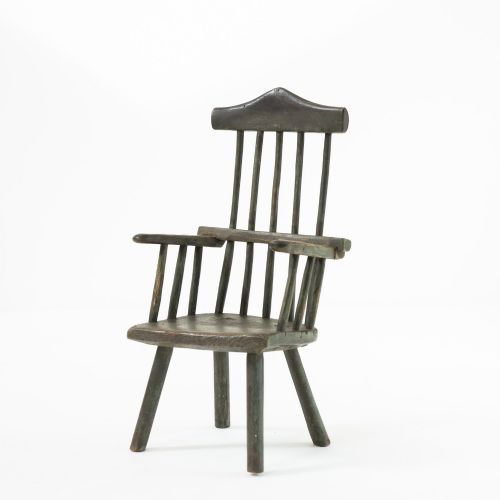
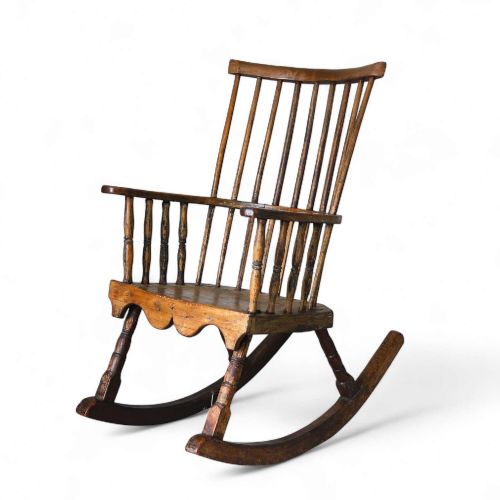
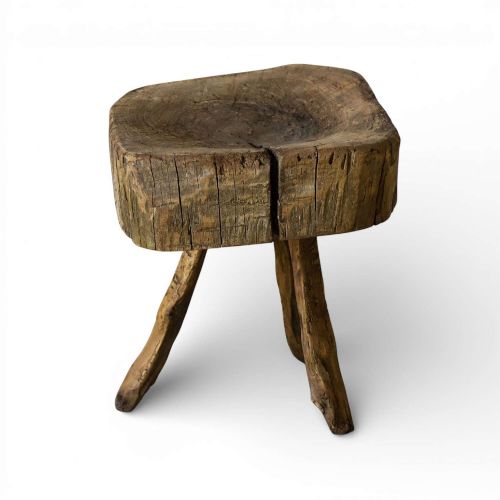
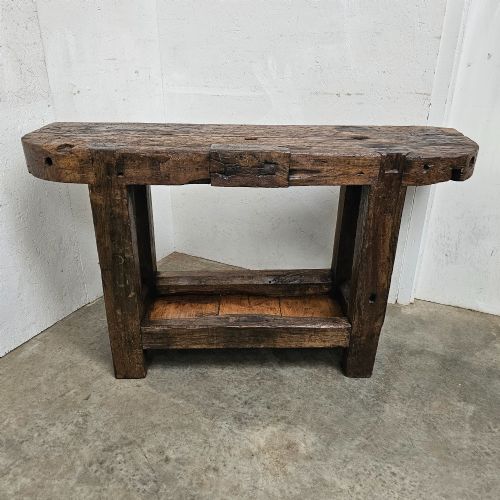
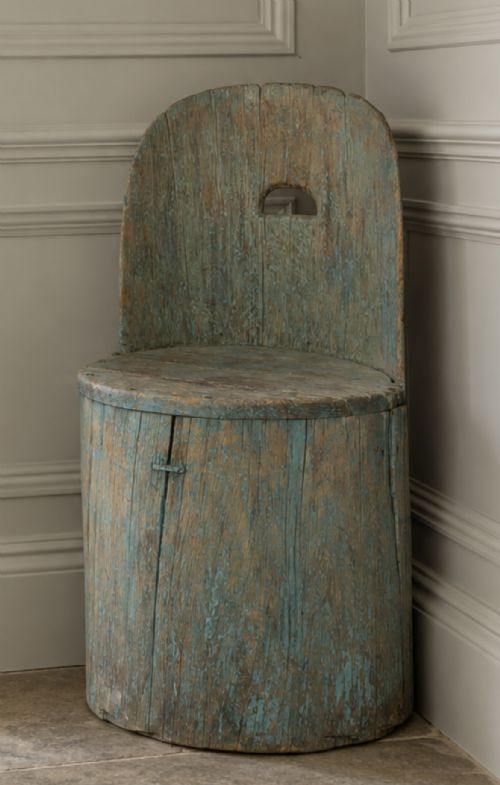
When you search for primitive furniture, you find pieces shaped by regional makers rather than urban workshops, spanning chairs, benches, tables, and cupboards from the eighteenth and nineteenth centuries. These items reflect the timber available locally, leading to distinct regional forms such as Welsh stick chairs, Scandinavian dug-out seats, and French work benches.
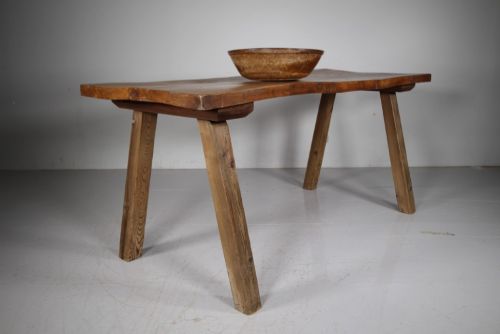
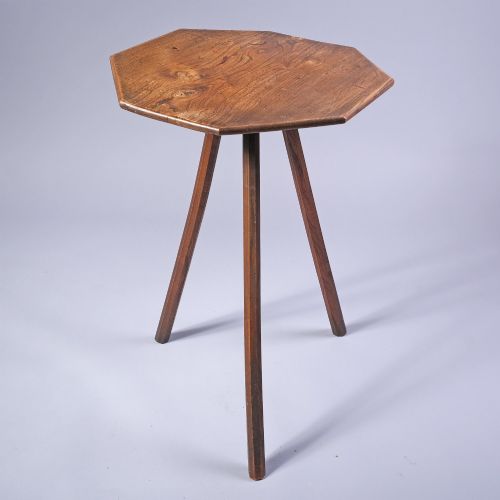
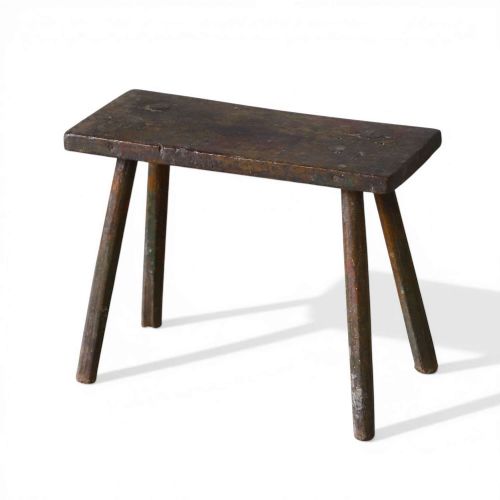
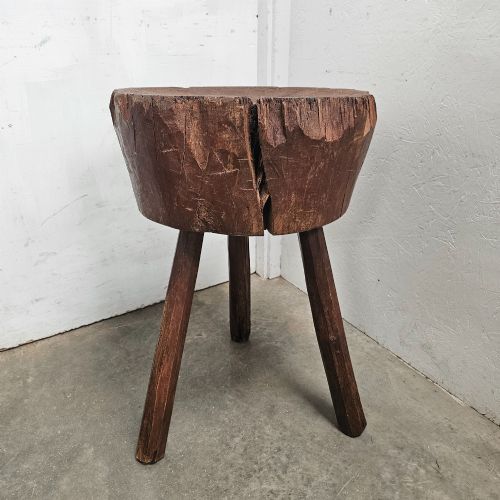
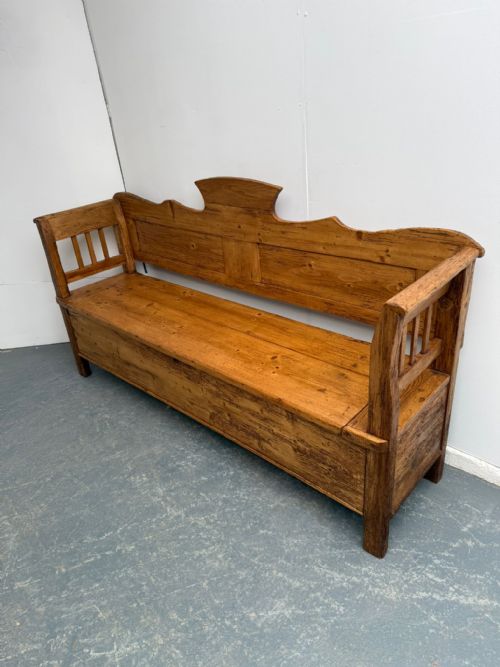
You are most likely to meet seating on this page, particularly stick-back and comb-back armchairs, alongside low stools and long oak benches. Tables range from small three-legged ash examples to large scrubbed dining surfaces and heavy chopping blocks.
The aesthetic relies on utility and unpretentious construction, using native timbers like elm, ash, oak, and pine. Makers adapted traditional joinery methods to build robust items that endured centuries of domestic and agricultural service.
Materials and construction
Construction relies on combining contrasting native timbers within a single piece, such as elm seats fitted with ash spindles and fruitwood arms. This method paired tough, splitting-resistant wood for seats with flexible timber for bent parts.
Joinery is straightforward and functional, utilising wedged mortise and tenon joints, splayed legs bored directly into seat blocks, and blacksmith-made iron brackets or hinges for reinforcement.
Surfaces often retain traces of original paint, such as green pigment on milking stools, or display natural patination from decades of waxing and scrubbing.
Primitive Furniture Retail Price Guide 2026
Typical asking prices for primitive furniture among the pieces listed under this phrase on Sellingantiques today, from the lower quarter to the upper quarter. They describe what is for sale here now, not the wider market.
Several items retain original blacksmith repairs, proving that owners stubbornly fixed their furniture rather than replace it.
Assessing quality and character
Quality rests in the balance of proportions and the honesty of structural repairs. Early blacksmith fixes and period alterations show continuous utility, whereas modern replacement parts diminish authenticity.
The choice of timber creates distinction, as multi-wood Windsor chairs featuring yew, laburnum, and fruitwood sit above standard pine items. Grain figure, such as burr elm, elevates simpler forms.
Survival of original surfaces dictates desirability. Pieces retaining unstripped patination, tool marks, and early paint finishes outrank those stripped down to bare, uniform timber.
The Primitive Furniture Glossary
- Comb-back
- A Windsor chair variation where the vertical spindles extend through a horizontal top rail, resembling the teeth of a comb. This style provides solid upper back support.
- Dug-out
- A seat carved directly from a single solid log rather than assembled from separate parts. These heavy pieces represent early regional woodworking traditions.
- Splayed legs
- Legs angled outward from the centre for greater stability on uneven floors. This feature appears frequently on milking stools and work benches.
- Stick chair
- A vernacular seating form where turned or cleft sticks form the back and legs, slotted into a solid wooden seat. They are closely associated with Welsh country traditions.
- Metamorphic
- Furniture designed to transform from one form into another, such as a chair that converts into a table. These dual-purpose items served cramped rural quarters.
Primitive Furniture: Frequently Asked Questions
What is primitive furniture?
Primitive furniture comprises utilitarian household and workshop items made by regional country makers using local timber. These pieces prioritize function over academic design.
They include Windsor chairs, milking stools, work benches, and simple cupboards dating from the eighteenth century onward.
How do I date a primitive piece?
Dating relies on tool marks, construction methods, timber choice, and wear patterns. Hand-sawn boards, blacksmith-made ironwork, and pegged joints indicate older periods.
Regional styles also help narrow the timeframe, as specific Welsh stick chair patterns or vernacular forms evolved across distinct decades.
How should I live with these pieces?
These items suit modern interiors by adding texture and historical contrast to clean spaces. Use low benches as coffee tables or place rustic work benches in kitchens.
Maintain stable indoor humidity to protect dry historic timbers and unsealed woods from splitting.
Why do some chairs use multiple woods?
Country makers utilised different timber species for specific structural demands. Elm provided a tough, non-splitting seat, while ash offered flexible strength for bent spindles.
Using available local wood species resulted in varied combinations of yew, fruitwood, and oak within a single chair.