



Primitive Country Side Table
A primitive country side table brings honest utility and unpretentious character to a room through simple timber construction.
Primitive Country Side Table
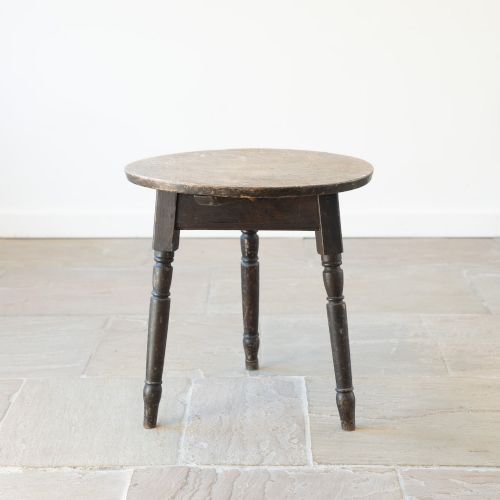
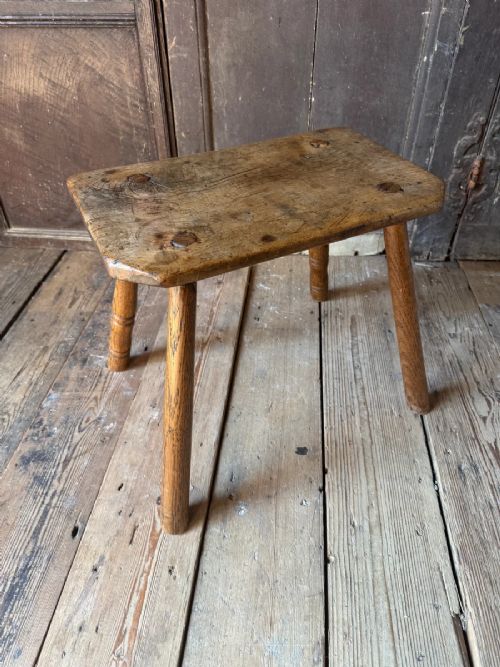
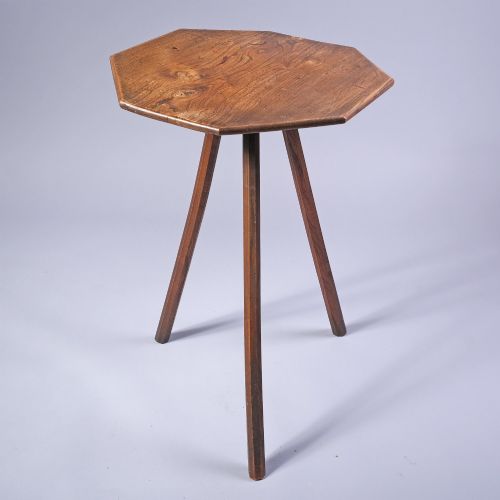
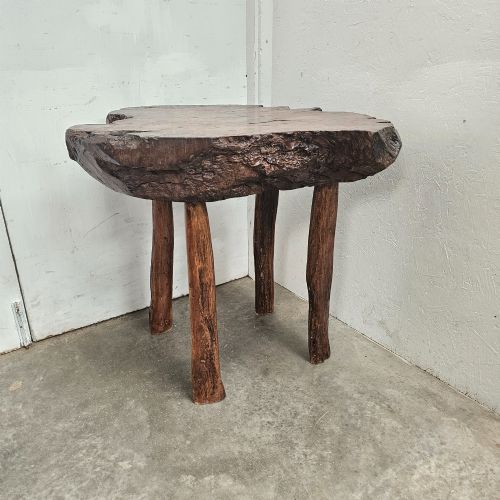
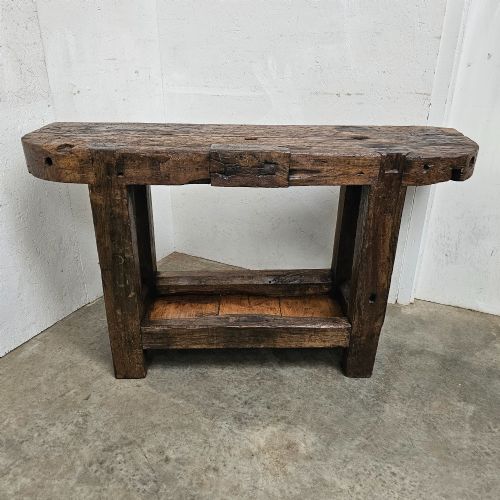
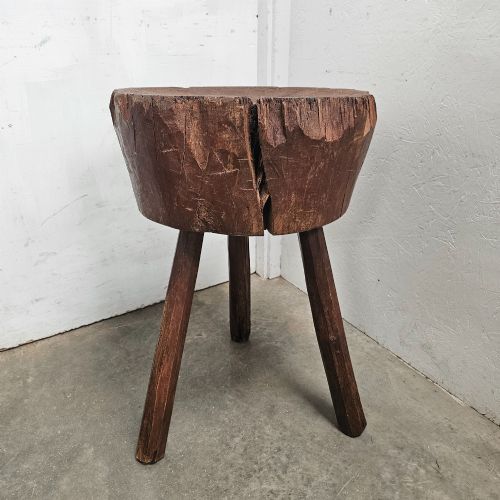
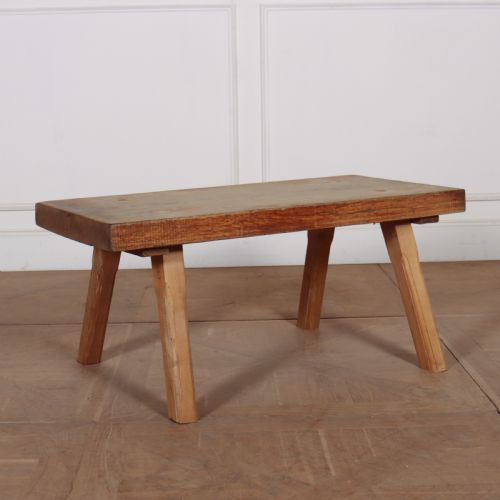
A primitive country side table encompasses robust work tables, chopping blocks, occasional tables, and stools rooted in rural vernacular traditions. You encounter pieces spanning the eighteenth and nineteenth centuries, originating from British, Welsh, French, and Spanish workshops.
The form prioritises practical function over ornament, often emerging from domestic dairies, kitchens, and workshops. These items range from three-legged ash tables to solid walnut circular tables and pine work benches.
Construction relies heavily on local woods and straightforward joinery suited to daily labour. The selection here highlights regional variations in rustic design, from Snowdonia to rural France.
Materials and construction
Craftsmen utilised whichever native hardwoods lay close to hand, turning to oak, ash, elm, sycamore, and pine for strength and availability. Timber selection dictated the structural integrity of pieces meant for heavy tasks like butchery or dairy work.
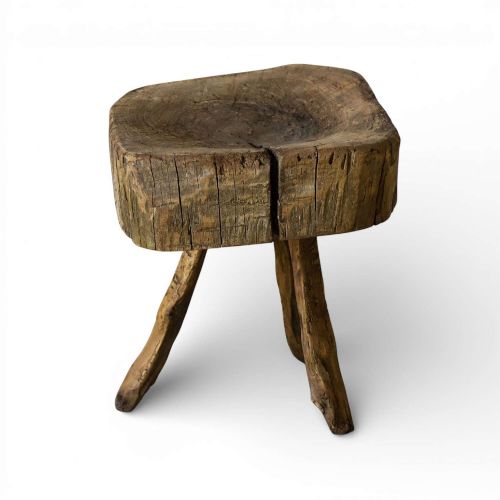
Legs frequently connect directly to thick slab or plank tops through tapered joints or simple pegging. Gnarled branches and natural tree trunks serve as original supports on utilitarian blocks, keeping the connection to the forest raw and direct.
Primitive Country Side Table Retail Price Guide 2026
Typical asking prices for primitive country side table among the pieces listed under this phrase on Sellingantiques today, from the lower quarter to the upper quarter. They describe what is for sale here now, not the wider market.
Understanding quality and character
Quality rests in the honesty of wear and the integrity of the original timber rather than polished perfection. Marks of hard service, tool scoring, and deep patina separate pieces built for real work from decorative reproductions.
Proportion and the balance between heavy tops and slender or robust legs dictate visual success. Retaining original surfaces, uncompromised joints, and untouched structural timber marks the highest grade of vernacular survival.
The Primitive Country Side Table Glossary
- Vernacular
- Architecture or objects built by local craftspeople using traditional regional methods and materials, without academic design input. This approach prioritises local utility above prevailing metropolitan fashions.
- Cricket table
- A small, lightweight three-legged table traditionally used beside the hearth in British and Welsh cottages. Three legs ensure stability on uneven flagstone floors.
- Game block
- A heavy timber block or low table utilised for preparing game or meat in French country kitchens. These pieces often feature thick tops and sturdy, weathered legs.
- Cobblers bench
- A low wooden workstation fitted with compartments for tools and materials used in shoemaking. Their quirky compartmentalised layout makes them versatile modern coffee tables.
- Patina
- The deep sheen and surface alteration developed on wood over centuries of handling, cleaning, and exposure to light. It serves as a visual record of age that cannot be artificially replicated.
Primitive Country Side Table: Frequently Asked Questions
What is a primitive country side table?
A primitive country side table is a utilitarian piece of furniture shaped by rural craft traditions using local timber. These items were built for daily domestic or agricultural tasks rather than formal display.
Examples include low occasional tables, dairy surfaces, and heavy blocks that now function effectively as accent pieces in modern interiors.
How do I date these tables?
Dating relies on observing tool marks, timber species, hardware, and structural wear consistent with eighteenth and nineteenth-century methods. Regional styles and construction quirks often point to specific geographic origins.
Comparing leg attachments and edge profiles helps distinguish Georgian examples from later nineteenth-century vernacular pieces.
Where were these tables made?
Makers constructed these pieces in rural workshops across Britain, Wales, France, Spain, and Catalonia. Local rural communities relied on nearby forests for materials.
Geography dictated the choice of wood, resulting in distinctive Welsh ash tables, French elm blocks, and Spanish pine furniture.
How do I live with a primitive table?
These tables integrate easily into contemporary spaces by adding warmth, texture, and historical contrast to minimal or modern rooms. Their modest scale suits placement beside sofas or beds.
Maintenance requires simple waxing to nourish dry timber while preserving the historical surface wear and accumulated patina.