



Pressed Flower Press
A pressed flower press preserves botanical specimens between wooden boards or frames for botanical study and decoration, offering a tangible connection to nineteenth and early twentieth-century gardening traditions.
Pressed Flower Press
A pressed flower press brings botanical specimens into domestic spaces, capturing natural forms through botanical study and traditional folk art methods. When exploring options for a pressed flower press, buyers encounter examples ranging from country house oak items to framed nineteenth-century botanical specimens.
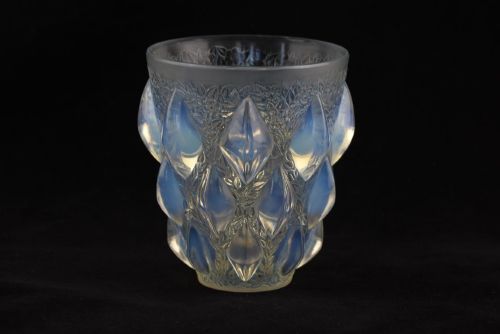
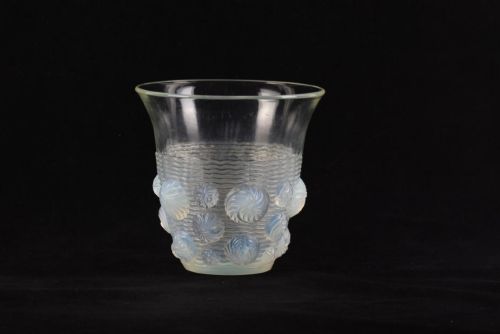
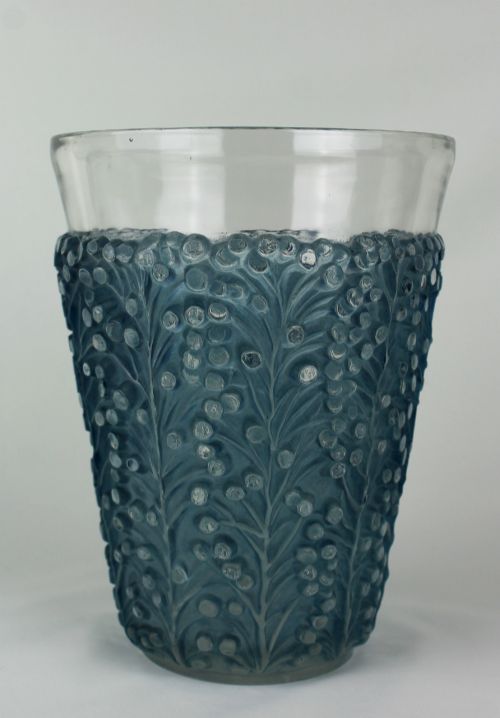
The selection on this page includes vernacular wooden equipment alongside framed botanical specimens, Victorian folk art herbariums, and related decorative items like earthenware pottery figurines and moulded glass vases. These pieces reflect diverse domestic pastimes, spanning the Georgian, Victorian, Edwardian, and Art Deco periods.
Origin details in the evidence point towards English country houses and continental workshops, encompassing both utilitarian botanical apparatus and decorative framing designed to display dried flora. Such objects demonstrate how historic households engaged with natural history and botanical arts.
How they were made
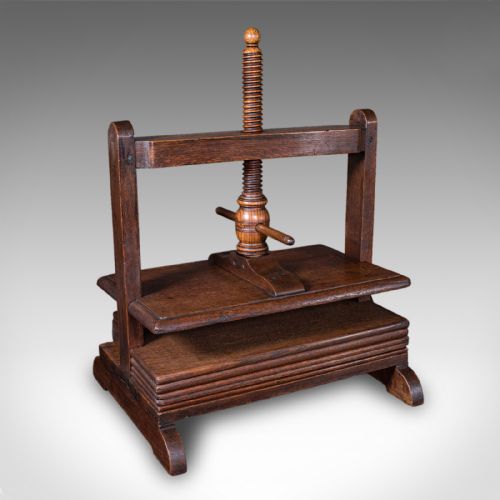
Construction relies heavily on traditional timber working, utilising dense domestic woods like oak to apply even pressure across paper sheets containing botanical specimens. Metal screws or leather straps often secured the wooden boards together during the drying process.
Framed examples employ protective glass sheets held within wooden or folk art frames to preserve delicate plant matter from moisture and handling. Paper and card serve as the mounting surfaces for botanical specimens within these frames.
Pressed Flower Press Retail Price Guide 2026
Typical asking prices for pressed flower press among the pieces listed under this phrase on Sellingantiques today, from the lower quarter to the upper quarter. They describe what is for sale here now, not the wider market.
Some nineteenth-century botanical collectors doubled as amateur taxidermists, occasionally sharing worktables between pressed ferns and stuffed owls.
What varies in quality
Quality in a pressed flower press and related botanical items rests upon the clarity and preservation of the plant specimens themselves, alongside the integrity of the housing frame or wooden boards. Finer examples maintain vibrant botanical colours and crisp paper mounting without excessive degradation.
The craftsmanship of the enclosing woodwork or frame distinguishes standard utility items from more decorative folk art or country house pieces. Superior examples exhibit considered joinery, sympathetic framing materials, and careful attention to botanical arrangement.
René Lalique
The Pressed Flower Press Glossary
- Botanical specimen
- A plant or part of a plant prepared for scientific study or display. These examples are typically dried and mounted on paper.
- Folk art
- Utilitarian or decorative objects created by self-taught or traditional makers. These pieces often utilise accessible local materials.
- Herbarium
- A collection of preserved plant specimens and associated data used for scientific study. Historical herbariums are frequently mounted in bound volumes or decorative frames.
- Georgian
- Relating to the reigns of the first four British monarchs named George, spanning the eighteenth and early nineteenth centuries. Pieces from this period often display classic proportions and traditional craftsmanship.
Pressed Flower Press: Frequently Asked Questions
What is a pressed flower press used for?
A pressed flower press applies steady, flat pressure to fresh leaves and blossoms placed between absorbent paper sheets. This process extracts moisture while retaining the structural form and colour of the plant material.
Once dried, the specimens are suitable for mounting in herbariums, framing as wall art, or incorporating into decorative craft projects. Historically, these items supported domestic botanical study and artistic pursuits.
How do I care for antique botanical pressings?
Antique botanical pressings and framed specimens require protection from direct sunlight, which causes dried plant pigments and mounting papers to fade over time. Maintaining stable indoor humidity prevents moisture damage and mould growth.
Display these pieces away from damp walls and heat sources to preserve both the plant material and the original wooden or folk art frames.
How do I identify a Georgian or Victorian press?
Dating these items involves examining the timber types, construction methods, and any accompanying paper or handwritten botanical labels. Georgian and Victorian examples typically feature heavy native hardwoods like oak and hand-cut joinery.
Stylistic cues within the accompanying paperwork or framing methods often provide further context regarding the manufacturing period and origin.
Can I still use an antique flower press?
Historic presses remain structurally capable of flattening plant material, provided the wooden boards and tightening mechanisms retain their integrity. Many collectors prefer to preserve them as decorative objects rather than active tools.
Using antique timber boards with modern blotting paper allows contemporary users to experience traditional botanical preservation methods safely.