



Presentation Boxed Silver Set
A presentation boxed silver set brings together fitted cases and precious metal ware for gifts and ceremonial occasions.
Presentation Boxed Silver Set
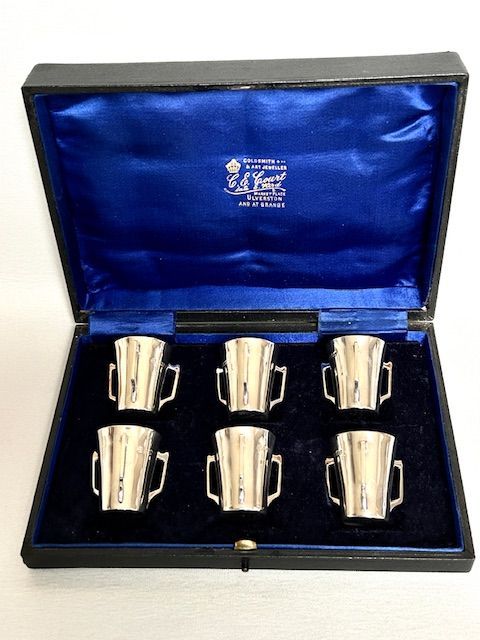
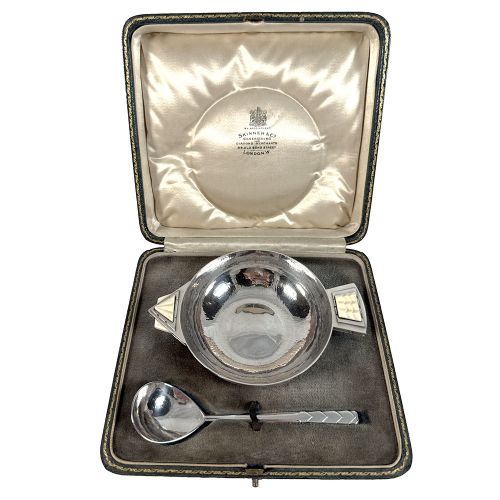
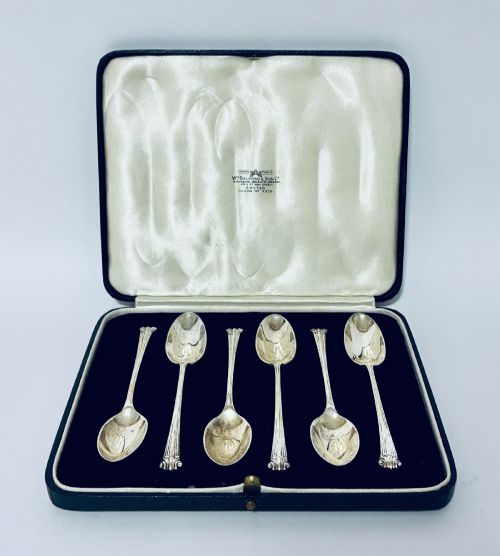
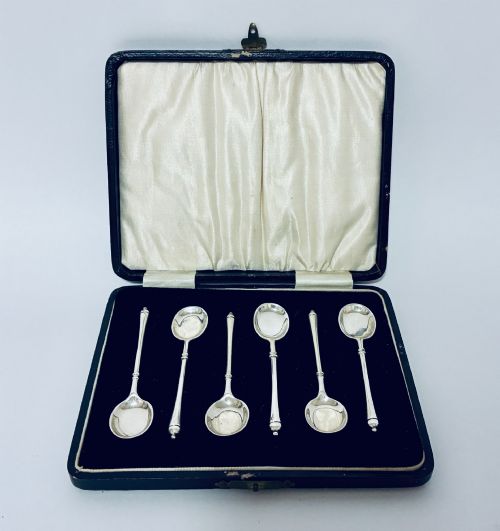
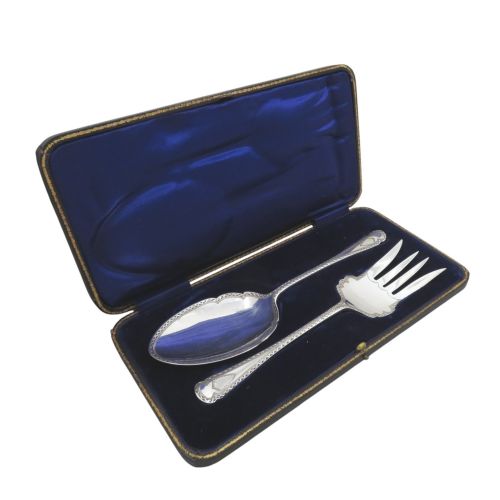
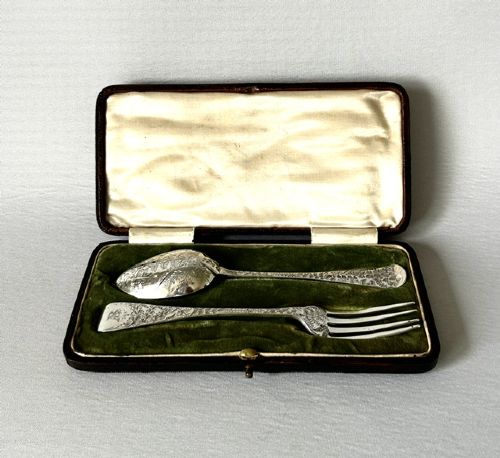
A presentation boxed silver set comprises matched metal items housed within a custom fitted protective case lined in silk or velvet. These assemblies span the Victorian, Edwardian, and Art Deco periods, encompassing both solid sterling silver and silver plate.
Common forms include christening sets, coffee and teaspoon collections, napkin rings, serving cutlery, and shot glasses. Such groupings were traditionally commissioned for important life events, official launches, or formal commemorations.
The survival of the original box alongside the silver defines this category, preserving the interior satin or leatherette padding intended to display the contents safely.
Materials and construction
The metal components rely on sterling silver or silver plate, shaped through casting, hammering, and fine chasing. Working methods from the nineteenth and early twentieth centuries also integrate organic elements such as ivory, tortoiseshell, and mother-of-pearl.
Cases demand specialised craftsmanship, utilising robust external materials like leather and leatherette combined with soft interior beds of silk, velvet, satin, and padded cloth. Each recess is custom moulded to hold spoons, knives, or napkin rings securely in place.
Presentation Boxed Silver Set Retail Price Guide 2026
Typical asking prices for presentation boxed silver set among the pieces listed under this phrase on Sellingantiques today, from the lower quarter to the upper quarter. They describe what is for sale here now, not the wider market.
Markers of distinction
Quality rests upon the crispness of the metalwork and the integrity of the fitted case. Pieces featuring detailed chasing, substantial weight, and well-preserved maker marks demonstrate superior workmanship.
The condition of the presentation box influences the overall standard, particularly when exterior leather and interior silk linings remain intact without major tearing or missing fasteners. Sets retaining their original fitted compartments display a higher degree of original harmony.
Robert Edgar Stone·Robert Stebbings
The Presentation Boxed Silver Set Glossary
- Sterling silver
- An alloy consisting of 92.5 percent pure silver and 7.5 percent other metals, usually copper, ensuring structural durability for tableware.
- Silver plate
- A base metal substrate coated with a thin layer of silver, offering the visual appearance of solid silver at a different cost point.
- Quaich
- A traditional two-handled drinking vessel of Scottish origin, often utilised for ceremonial toasts and communal gatherings.
- Christening set
- A bespoke collection of silverware, typically comprising a spoon and fork or a mug, presented to an infant to mark a baptism.
- Open salt
- A small decorative vessel designed to hold loose table salt before the invention of free-flowing shakers, frequently accompanied by a miniature spoon.
Presentation Boxed Silver Set: Frequently Asked Questions
What items belong in a presentation boxed silver set?
These assemblies typically contain matching tableware such as teaspoons, fish servers, christening cutlery, or napkin rings. Each piece shares a unified decorative theme and fits precisely into custom slots within the case.
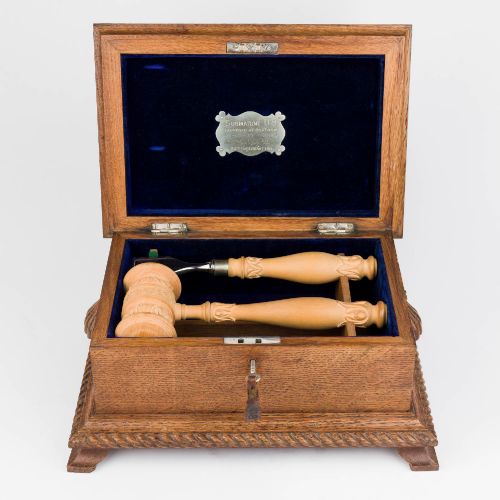
The inclusion of specialised items like shot glasses, buttons, or launch caskets shows the broad range of objects housed in fitted presentation boxes for formal occasions.
How should I clean tarnished silver inside original velvet boxes?
Silver components require careful polishing with a specialised microfibre cloth while remaining safely outside the case. Direct contact between liquid polishes and antique velvet or silk linings must be avoided.
Keeping moisture away from the interior lining protects the structural integrity of the box, as old glues and textiles degrade rapidly when exposed to cleaning chemicals.
Were these sets intended for daily dining use?
Most of these collections were acquired as commemorative gifts or presentation pieces rather than everyday utensils. Their survival in fitted cases suggests they were preserved as keepsakes or displayed on special occasions.
Over the decades, the presence of the protective box prevented heavy wear and tear, keeping the surfaces of the spoons, forks, and servers remarkably crisp.
How can I tell the period of a boxed set?
Dating relies on hallmarks stamped into the metal, the stylistic motifs of the design such as Art Deco or Victorian flourishes, and the manufacturing style of the case. Maker marks often point to specific decades of production.
Textiles and hardware used inside the box, including silk linings and leatherette finishes, also offer strong chronological clues that align with the era of the silver.