


Portrait Art Pair
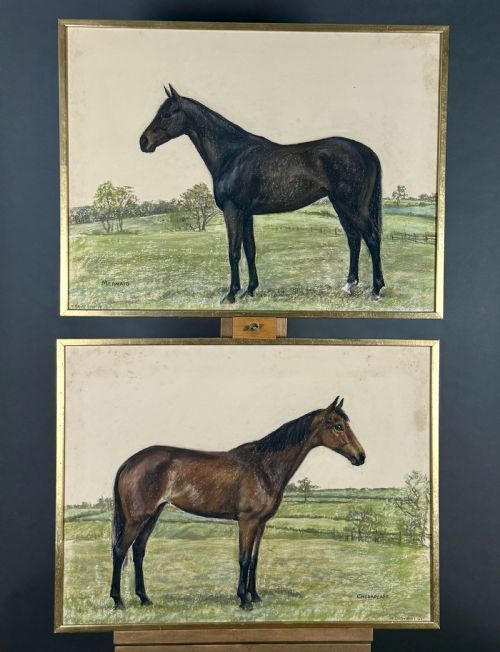
When you look for a portrait art pair, you are choosing matched likenesses executed in oil, pastel, watercolour, or print.
Portrait Art Pair
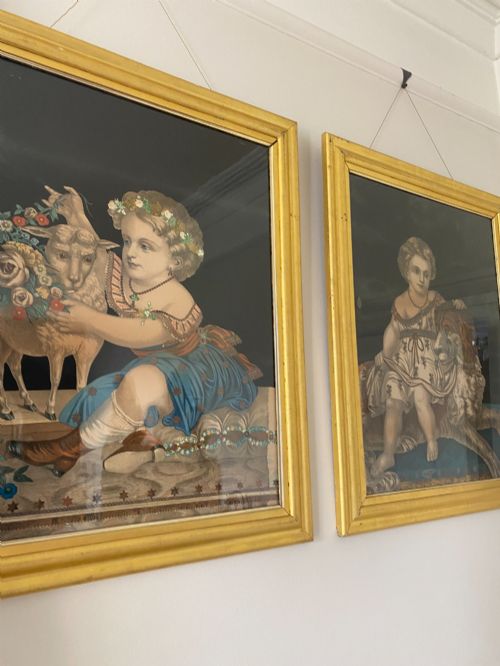
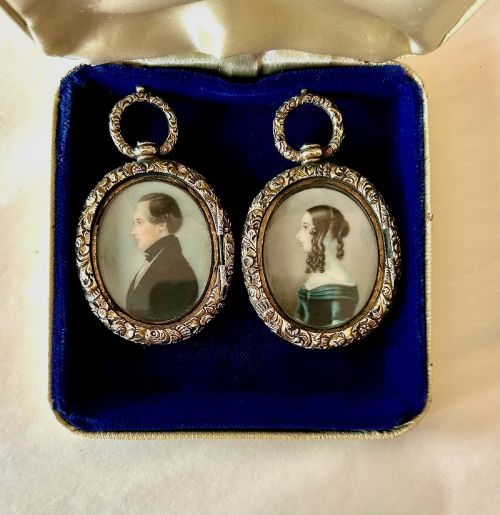
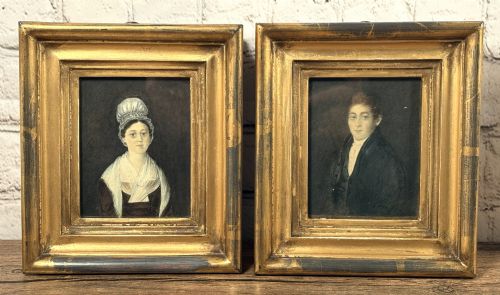
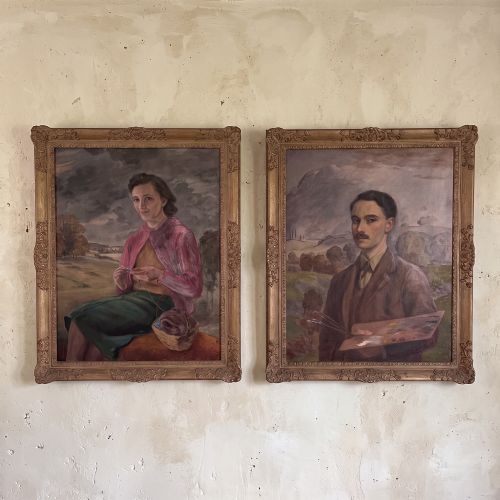
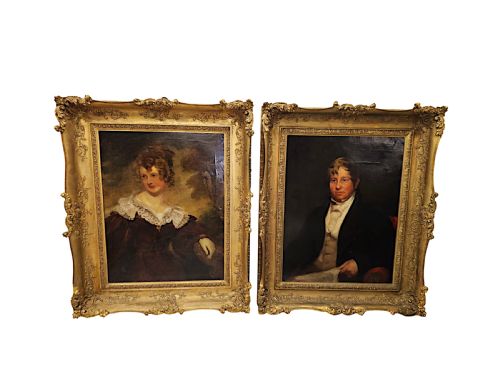
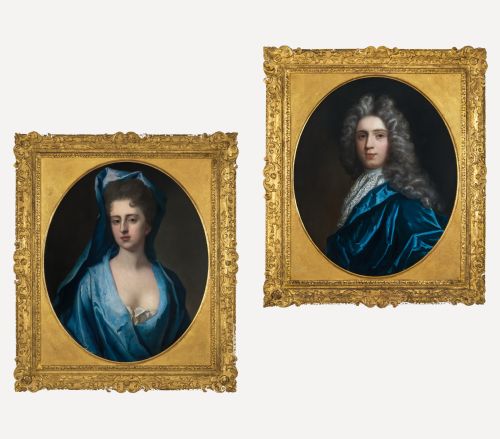
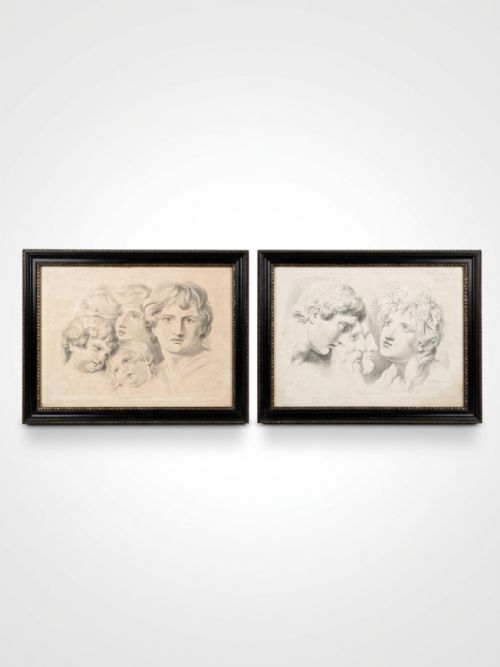
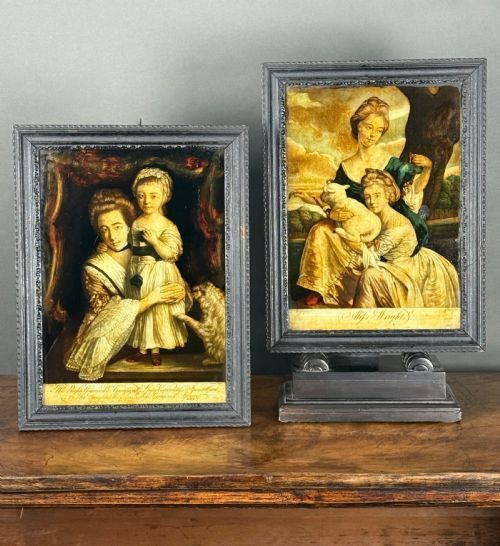
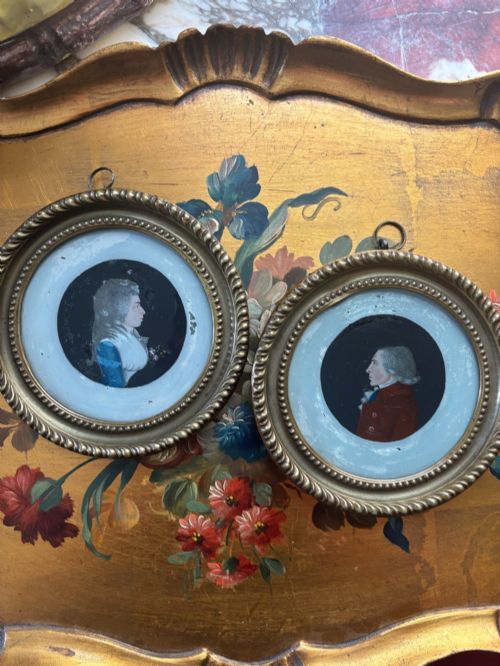
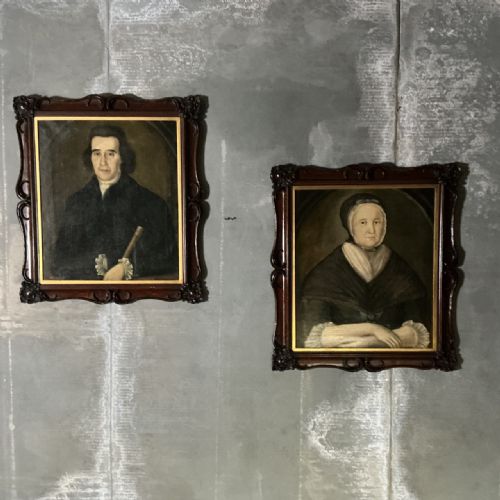
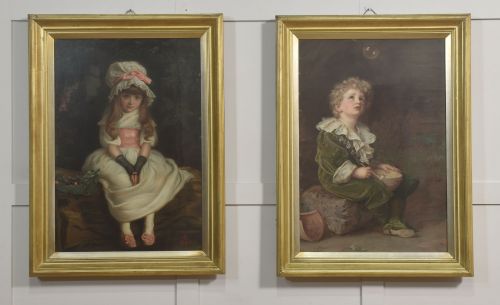
A portrait art pair brings together two related likenesses, often husband and wife, noble subjects, or children, designed to hang in symmetry. These duos emerge from centuries of domestic display, ranging from intimate miniature portraits on glass to large oil paintings on canvas.
The materials span oil on canvas, pastel on paper, and delicate reverse glass paintings housed in giltwood or rosewood frames. Buyers find works originating from English, Dutch, French, and Italian schools across the eighteenth and nineteenth centuries.
How They Were Made
Makers applied oil paint, watercolour, or pastel onto canvas, paper, or prepared wood panels, frequently setting the finished works within decorative gilt frames or rosewood surrounds. Techniques like reverse painting on glass required applying pigments directly to the rear of the glass plate to achieve a glossy finish when viewed from the front.
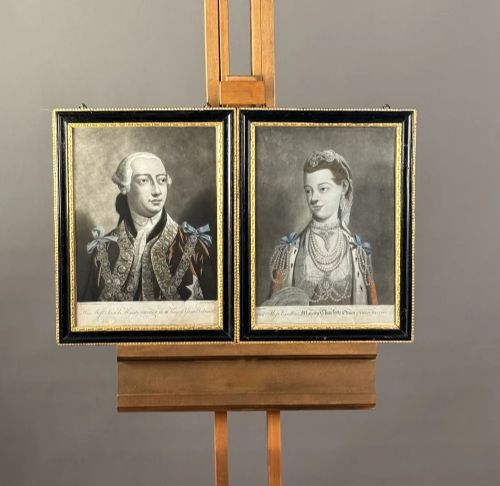
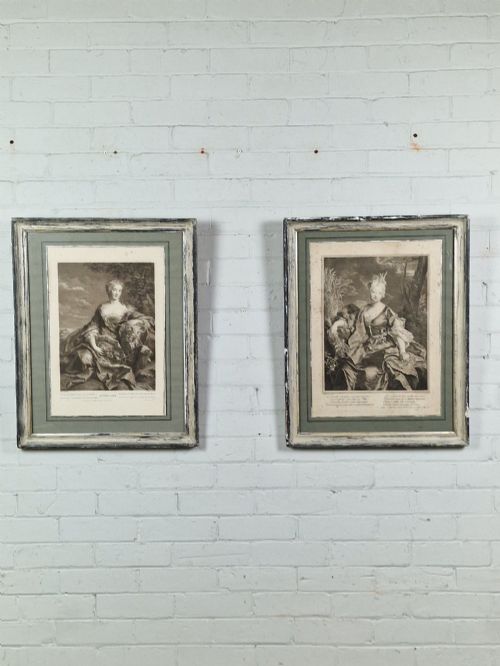
Engravings and mezzotints utilised copper plates inked and pressed onto paper to produce duplicate portrait prints, sometimes enhanced with metal embellishments on clothing.
Portrait Art Pair Retail Price Guide 2026
Typical asking prices for portrait art pair among the pieces listed under this phrase on Sellingantiques today, from the lower quarter to the upper quarter. They describe what is for sale here now, not the wider market.
Listings feature eighteenth and nineteenth-century periods, utilising canvas, glass, paper, and giltwood.
What Varies in Quality
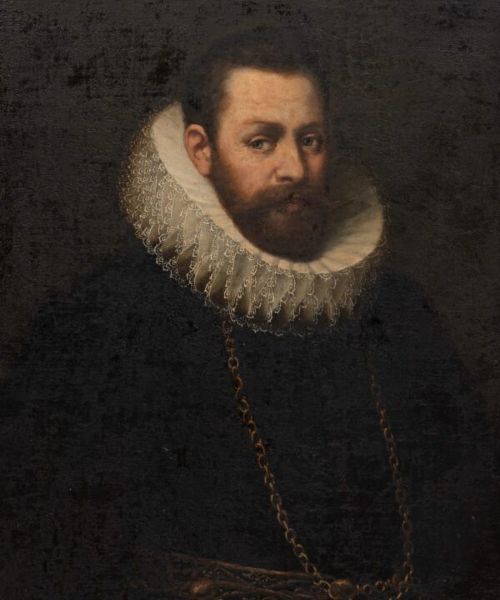
The distinction between tiers rests upon the skill of the draughtsmanship and the subtlety of expression captured in the subject's face. Works attributed to named artists or established schools demonstrate superior handling of light, shadow, and detail in elements like ruff collars or historical attire.
Frame construction also dictates value, with original period giltwood and carved frames holding greater historical integrity than later replacements.
Thomas Welles Beecham·Michael Dahl·Thomas Murray·Thomas Frye·Richard Purcell·Guido Bach·Emily Eyres·Jacobus Houbraken
The Portrait Art Pair Glossary
- Mezzotint
- A printmaking process of the scraperboard family allowing smooth gradations of tone. This technique produces rich dark backgrounds and soft facial shadows.
- Giltwood
- Wood carved and coated with gold leaf or a gold-coloured finish. It provides a reflective, ornate border for formal paintings.
- Portrait Miniature
- A small, highly detailed painting usually executed on vellum, ivory, or card. These intimate works were often housed in pocket-sized or oval frames.
- Intaglio
- A design engraved into a material such as plaster or stone so that the impression sinks below the surface. Grand Tour examples often record classical profiles.
- Reverse Painting on Glass
- An artwork technique where the image is painted on the back of a glass pane. The viewer observes the correct orientation through the front.
Portrait Art Pair: Frequently Asked Questions
What is a portrait art pair?
A portrait art pair consists of two matching images created to be displayed together as a balanced set.
They traditionally depict couples, family members, or paired subjects in matching frames.
How do I date a painted pair?
Dating relies on stylistic clues such as the cut of clothing, hairstyles, and collar designs depicted in the artwork.
Frame styles and the materials used for the backing also provide clear chronological markers.
Are prints considered original art?
Period engravings and mezzotints produced from copper plates represent original printmaking techniques of their era.
They were printed during the lifetime of the artist or shortly after, carrying historical significance.