



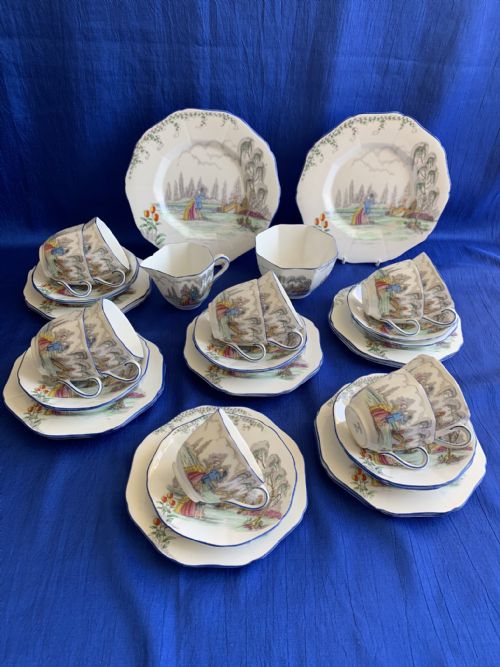
Porcelain Tea Plate
When you handle a porcelain tea plate, you hold a piece of history that brings traditional elegance directly to the modern table.
Porcelain Tea Plate
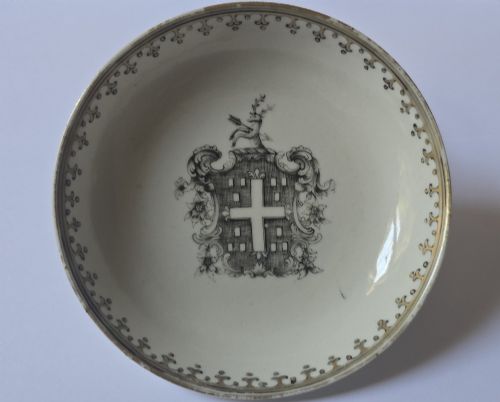
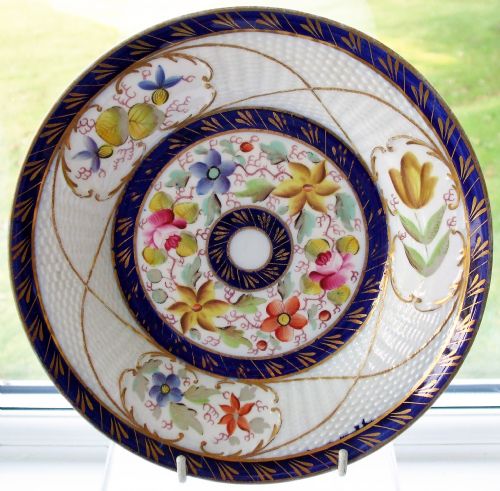
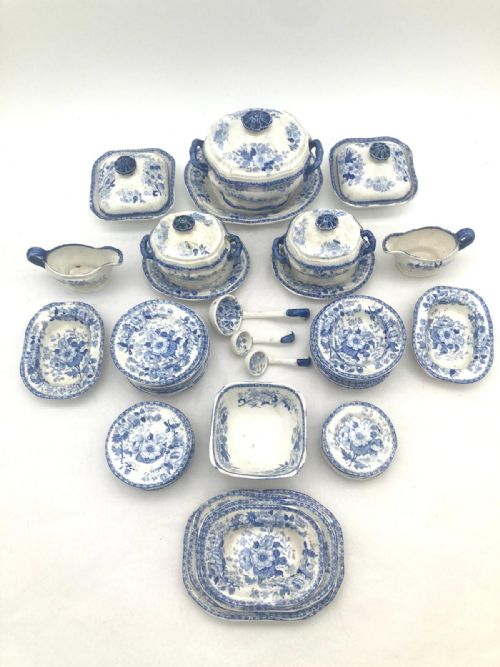
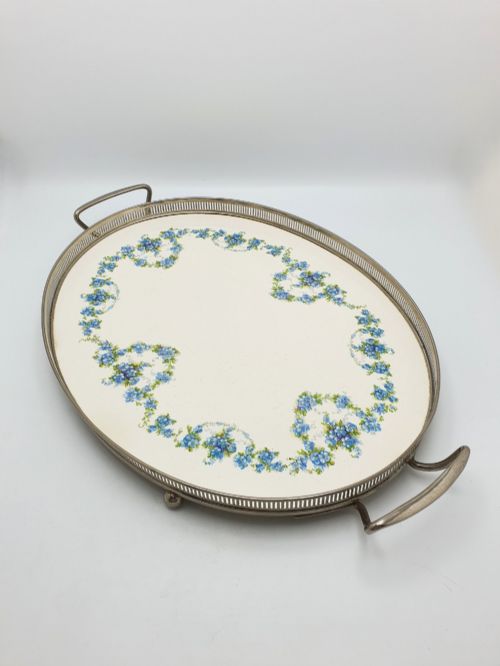
A porcelain tea plate brings domestic dining history to the table, spanning periods from the eighteenth century to the mid twentieth century. When you search for a porcelain tea plate, you find diverse forms including saucer sets, sandwich plates, and component items from larger tea and dinner services.
The pieces on this page originate from English factories, continental makers, and Chinese export kilns. They represent styles ranging from Georgian and Victorian aesthetics to Edwardian flow blue, Art Deco designs, and Chinoiserie patterns.
Materials and production methods
Makers utilised fine porcelain, bone china, earthenware, and ceramic bodies to form the base plates and associated vessels. Potters then applied glazes, gold leaf highlights, and enamel colours to finish the surfaces.
Decoration techniques combined hand painting with transfer printing, such as blue and white transfer patterns and Mandarin palette designs. Workshops often fired these pieces at high temperatures to set the glaze and secure the pigments.
Porcelain Tea Plate Retail Price Guide 2026
Typical asking prices for porcelain tea plate among the pieces listed under this phrase on Sellingantiques today, from the lower quarter to the upper quarter. They describe what is for sale here now, not the wider market.
Materials recorded across the inventory include bone china, silver plate, gold leaf, and earthenware.
Judgements of quality
Quality rests upon the crispness of the transfer print or the precision of the hand-painted brushwork across the surface. Finer examples display meticulous control of enamel colours and securely applied gold leaf details.
The purity of the ceramic body and the smoothness of the glaze also separate ordinary items from superior works. Early pieces show greater refinement in the throwing and moulding stages.
Minton·Royal Worcester·Royal Doulton·Copeland Spode·Davenport
The Porcelain Tea Plate Glossary
- Porcelain
- A ceramic material made by heating materials, generally including kaolin, in a kiln. It fires to a hard, non-porous white body.
- Bone china
- A type of soft-paste porcelain that incorporates bone ash. This material offers high strength and chip resistance.
- Transfer printing
- A method of applying a printed design to pottery from an engraved copper plate via paper. It allowed complex patterns to be replicated consistently.
- Mandarin palette
- A polychrome enamel decoration style used on Chinese export porcelain. It typically depicts figures in daily scenes.
- Gilded detail
- The application of gold leaf or gold paint to edges and motifs. It adds a reflective finish to the ceramic body.
Porcelain Tea Plate: Frequently Asked Questions
How do I date a porcelain tea plate?
You examine the backstamps, paste consistency, and painting style to establish the period of manufacture. Factory marks often change across decades, providing a reliable guide.
stylistic clues like Edwardian flow blue or Art Deco geometries also help narrow down the production era.
Are these plates safe for daily use?
Many historical plates remain robust enough for gentle handling and light use at the dining table. Hand washing protects the delicate overglaze enamels and gold leaf details from detergent damage.
older pieces with hairline cracks require display rather than active service.
What is Chinese export porcelain?
Chinese export porcelain refers to wares made in China specifically for Western markets from the seventeenth to the nineteenth centuries. These items combine traditional Chinese ceramic techniques with European decorative preferences.
families and trading companies commissioned specific heraldic and pictorial designs.
How do I store antique plates safely?
You should store plates upright in a plate rack or stack them with felt dividers between each piece. This prevents surface scratching and edge chipping.
keeping them away from direct sunlight preserves the vibrancy of the enamel colours.