

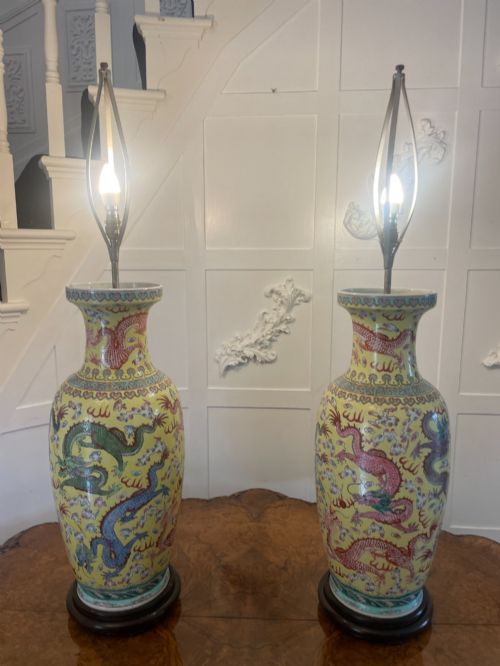


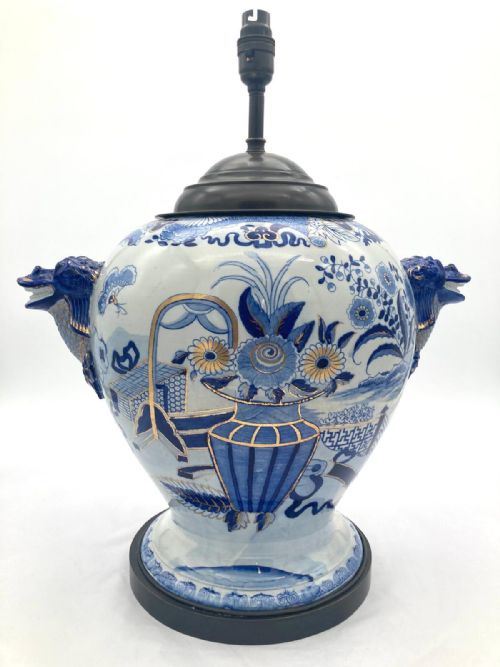
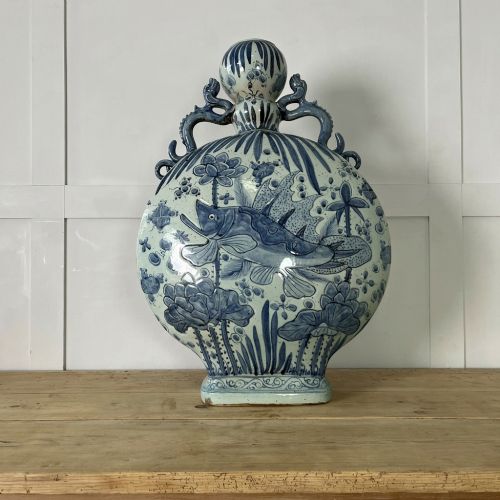

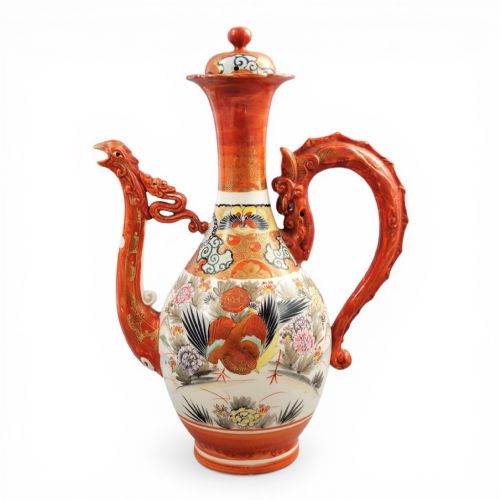


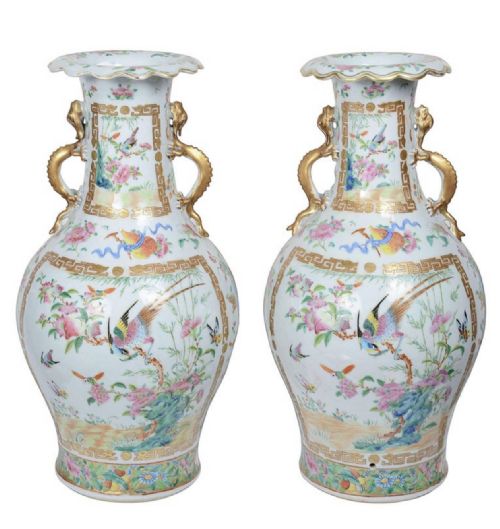


Porcelain Dragon Vase
These porcelain dragon vase examples bring dynamic imperial energy to a room through centuries of skilled ceramic design.
Porcelain Dragon Vase
When you search for a porcelain dragon vase, you encounter a distinct category of ceramic art spanning multiple centuries and workshops.
The selections on this page centre on pieces from the 18th century, 19th century, and early 20th century, encompassing styles such as Qing Dynasty, Chinese Export, and Meiji Period.
You meet forms ranging from bottle vases and moon flasks to larger decorative urns and items converted into table lamps.
How they were made
Makers shaped the body from ceramic clay and porcelain before applying detailed cobalt glaze, enamel, or iron-red pigments.
Many items incorporate gold leaf and gilt work to highlight the moulded relief of the mythological creatures across the surface.
Porcelain Dragon Vase Retail Price Guide 2026
Typical asking prices for porcelain dragon vase among the pieces listed under this phrase on Sellingantiques today, from the lower quarter to the upper quarter. They describe what is for sale here now, not the wider market.
Listings feature porcelain, earthenware, and cobalt glaze across 18th-century and 19th-century forms.
What varies in quality
The fineness of the hand-painted details on the scales and claws separates standard production from superior examples.
Consistency in the glaze application and the clarity of reign marks or signatures indicate the tier of craftsmanship.
Hotoda·Hicks and Meigh·Fukagawa·Royal Worcester·Wedgwood
The Porcelain Dragon Vase Glossary
- Famille Rose
- A palette of opaque enamel colours dominated by pink or rose tones, introduced during the Qing dynasty. This technique allowed for intricate shading on floral and animal motifs.
- Meiping
- A high-shouldered vase form designed originally for plum branches. The narrow neck opens out slightly at the rim.
- Satsuma
- Earthenware pottery originating from the Satsuma province in Japan, characterised by a cream-coloured crackle glaze and elaborate enamel and gilt decoration.
- Doucai
- A Chinese porcelain technique involving underglaze blue outlines filled in with contrasting overglaze enamels. Artisans fired the piece twice to achieve the vibrant colour separation.
Porcelain Dragon Vase: Frequently Asked Questions
Were these vases used as lamps originally?
Many examples were originally produced as display vessels and later converted into table lamps during the Victorian era or the twentieth century. This adaptation was a common way to repurpose decorative ceramics for modern interiors.
Fittings and wiring are typically modern additions while the ceramic body remains antique.
What is a five-clawed dragon?
In imperial Chinese symbolism, the five-clawed dragon represented the Emperor and imperial authority. Vessels bearing this motif were restricted to court use and high-ranking officials.
Its presence on a vase signifies a direct link to imperial manufacturing standards.
How should I clean my vase?
Dusting the surface gently with a soft, dry cloth is the safest maintenance method for antique ceramics. Avoid using water or chemical cleaners, especially on overglaze enamels and gold leaf.
Protecting the piece from direct sunlight preserves the vibrancy of the pigments.