





Porcelain Display Jar
A porcelain display jar is a striking vessel designed to hold and showcase fine interiors, bringing colour and history into a room.
Porcelain Display Jar
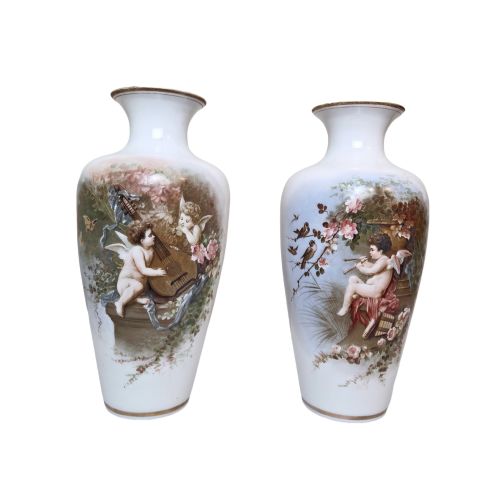
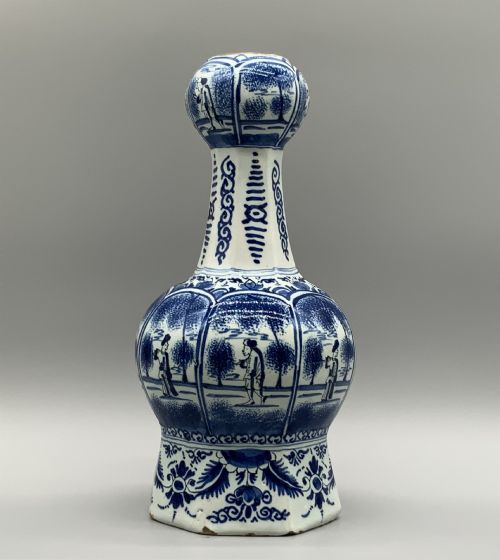
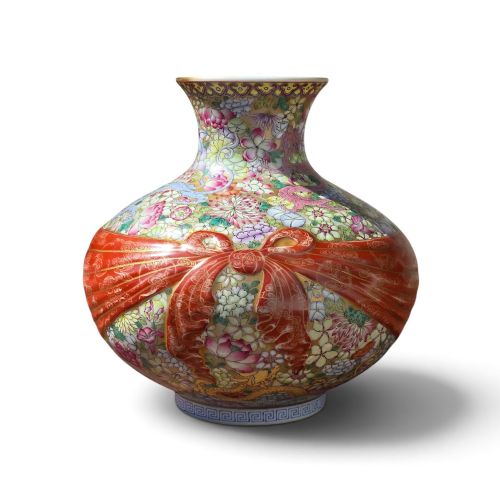
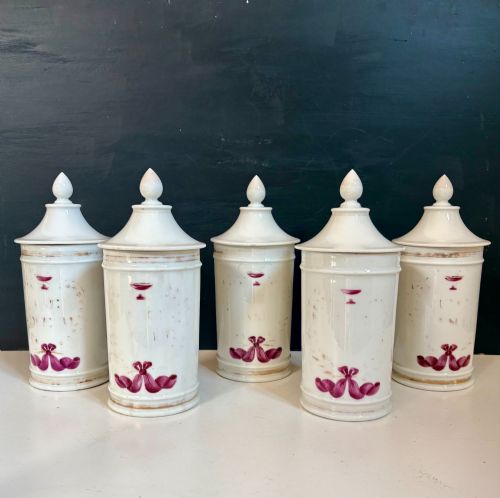
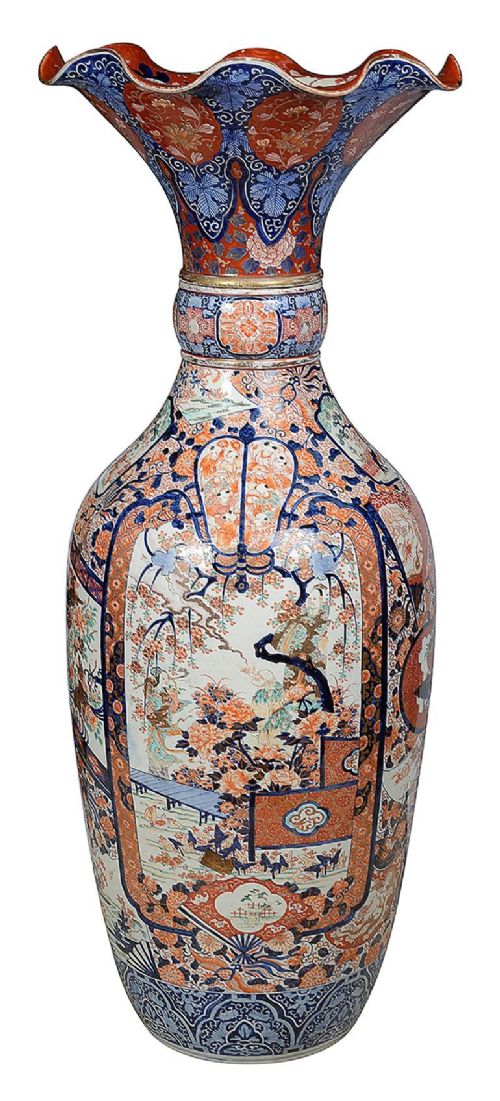
When you search for a porcelain display jar, you are looking at substantial vessels created to command attention in a room. The selections on this page span Chinese, Japanese, and European traditions, incorporating forms such as ginger jars, lidded urns, and apothecary vessels. Japanese Imari examples from the nineteenth century appear frequently alongside Chinese dragon jars and Victorian pieces.
The objects serve as decorative centrepieces, often standing with covers or paired as matching sets. Makers fashioned these works across multiple centuries, ranging from seventeenth-century Dutch Delft to twentieth-century Chinese production and Edwardian English factories.
Materials and Techniques
The foundation of these pieces rests on fired ceramic and porcelain, frequently enhanced with rich glaze and enamel work. Artisans applied meticulous hand-painting to surfaces, incorporating detailed motifs of birds, flowers, dragons, and human figures.
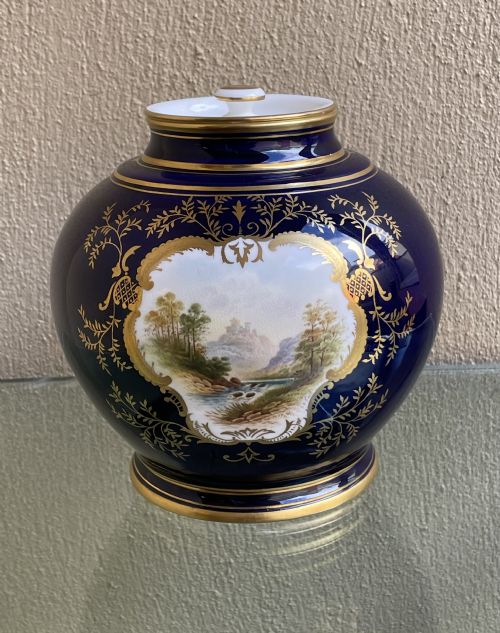
Many jars gain additional richness from gold leaf, gilt, and gilding accents that highlight the intricate patterns. Certain European and Japanese works incorporate bronze or ormolu mounts, while supporting furniture pieces utilise solid hardwood and padouk.
Porcelain Display Jar Retail Price Guide 2026
Typical asking prices for porcelain display jar among the pieces listed under this phrase on Sellingantiques today, from the lower quarter to the upper quarter. They describe what is for sale here now, not the wider market.
Evaluating Quality and Execution
Quality in these vessels reveals itself through the crispness of the hand-painted details and the vibrancy of the enamel and glaze. Superior pieces exhibit balanced proportions, precise brushwork, and well-preserved gilding that remains intact across the ceramic surface.
The finesse of the potting and the complexity of the decorative scheme distinguish standard wares from exceptional examples. Surviving lids and matching pairs also elevate the integrity of the object.
Tokyo Taizan·Kinrin Workshop·Coalport·Royal Worcester
The Porcelain Display Jar Glossary
- Imari
- A style of Japanese export porcelain characterised by underglaze blue and overglaze red, gold, and green. This decorative approach became widely popular in Europe during the nineteenth century.
- Ginger jar
- A ceramic vessel originally used for storing and shipping spices and preserves, typically featuring a broad shoulder and a domed lid. Collectors prize these shapes for their balanced, globular silhouettes.
- Apothecary jar
- A storage container historically used by pharmacists to hold medicines and dry drugs. These jars often display hand-lettered labels or decorative motifs.
- Kutani
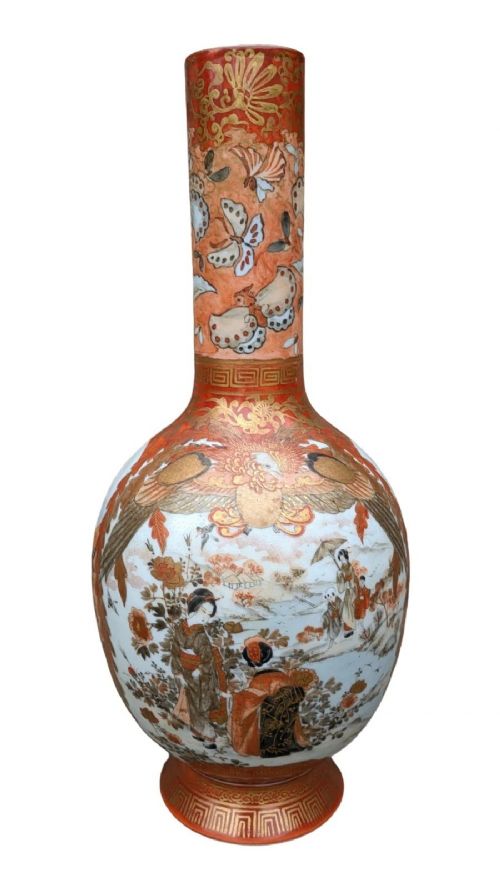
- A style of Japanese coloured porcelain known for bold palettes, including iron-red and extensive gold detailing. Workshops in Kaga produced these vibrant wares for export and domestic use.
- Gilding
- The application of gold leaf or powdered gold onto the ceramic surface to enrich the design. Artisans utilised this technique to accentuate key areas of the painted decoration.
Porcelain Display Jar: Frequently Asked Questions
How were these jars used historically?
Historically, lidded jars served practical roles for storing dry goods, tea, spices, or medicinal preparations. Over time, their decorative qualities led to their adoption purely as interior ornaments.
Wealthy households placed them on mantelpieces, tables, and dedicated furniture stands.
How do I care for an antique jar?
Antique porcelain and enamel surfaces require gentle handling and stable environmental conditions away from direct sunlight. Dusting with a soft, dry cloth preserves the fragile gilding and painted details.
Avoid using liquid cleaners or abrasive materials on the antique glaze.
How can I tell Japanese Imari apart?
Japanese Imari is identified by its distinct palette of underglaze cobalt blue combined with iron-red, white, and gold overglaze. The patterns frequently incorporate floral and brocade motifs.
These pieces date predominantly from the nineteenth century onwards in standard market offerings.