




Polychrome Terracotta
Polychrome terracotta pieces bring fired clay and pigment together, offering intense character for any room.
Polychrome Terracotta
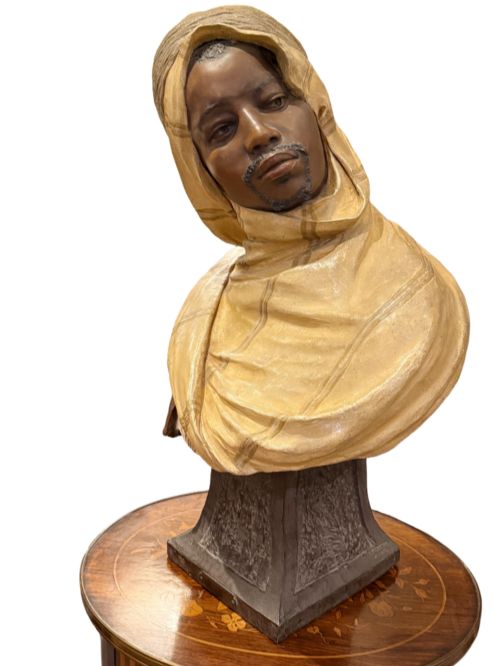
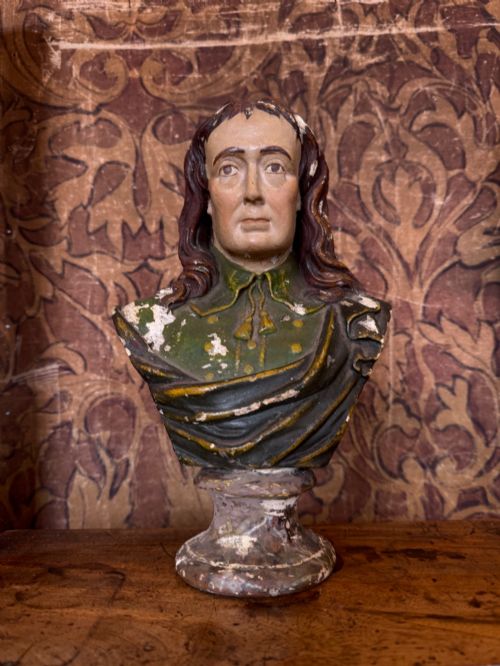
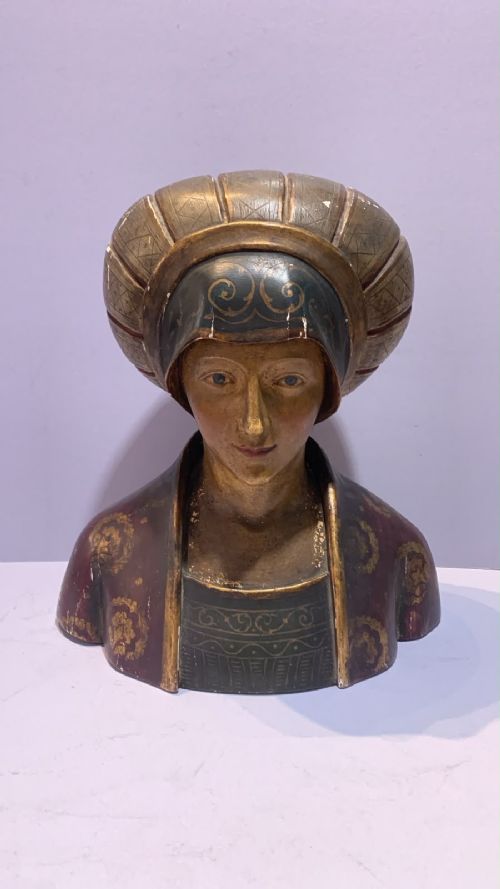
When searching for polychrome terracotta, buyers encounter moulded and modelled clay objects finished with paint, glaze, pigment, or gesso. These works range from portrait busts and figurative sculptures to decorative vases and side tables across various historical periods.
The nineteenth century dominates the available selections, showing a strong preference for revival styles, Orientalism, and portraiture. Pieces from this era often emulate earlier Italian or classical models while employing contemporary ceramic techniques.
Alongside nineteenth-century European sculpture, the selection includes pieces spanning from pre-sixteenth century works to early twentieth-century items. Forms extend beyond traditional figures into decorative vessels and occasional furniture.
How they were made
Makers shaped terracotta through moulding or hand-modelling before firing the clay to a durable finish. This foundational ceramic body provided a stable base for subsequent surface decoration.
Artists applied paint, enamel, pigment, gesso, or glaze directly to the fired surface to create vibrant polychrome effects. Gilding often highlighted specific details, adding metallic contrast to the painted areas.
Polychrome Terracotta Retail Price Guide 2026
Typical asking prices for polychrome terracotta among the pieces listed under this phrase on Sellingantiques today, from the lower quarter to the upper quarter. They describe what is for sale here now, not the wider market.
Listings feature terracotta, earthenware, paint, enamel, pigment, gesso, glaze, and gilt across items spanning the nineteenth century and earlier eras.
What varies in quality
Surface finish and pigment preservation separate standard items from superior works. Original applied paint, gesso, and enamel that survive with minimal flaking or later repainting command greater appreciation.
Goldscheider·Bernard Bloch·Pietro Calvi·HL Blasche for Reps and Trinte
The Polychrome Terracotta Glossary
- Terracotta
- Fired unglazed or glazed clay of a brownish-red colour used for sculpture and pottery. It serves as the primary structural material for these works.
- Polychrome
- Decorated in a variety of colours. This surface treatment distinguishes plain clay from painted examples.
- Gesso
- A plaster mixture used as a smooth base for painting on terracotta. It allows pigments to adhere more evenly to the porous clay body.
- Maiolica
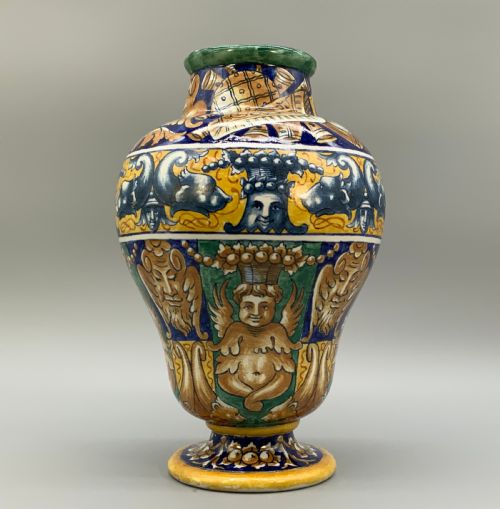
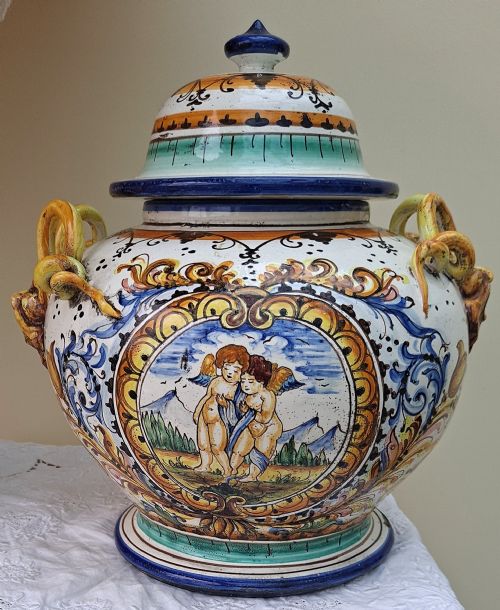
- Italian tin-glazed earthenware decorated with colours. It appears on revival vases and vessels associated with these ceramic traditions.
- Sancai
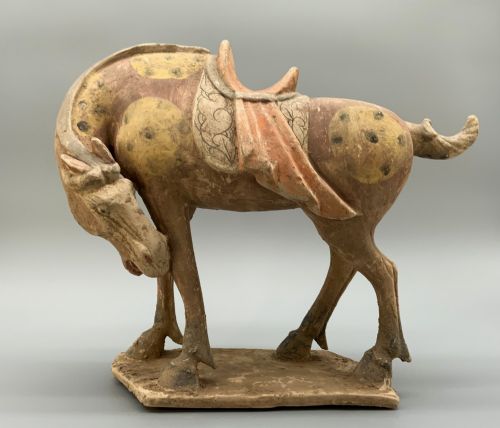
- Three-colour glaze used in Chinese pottery, notably seen on Tang dynasty style figurines. The glazes typically include amber, green, and creamy white.
Polychrome Terracotta: Frequently Asked Questions
How should I clean polychrome terracotta?
Dust surfaces gently with a soft, dry brush to protect the delicate painted or glazed layers. Avoid using water or liquid cleaners, which can lift historic pigments and gesso.
Keep pieces away from direct sunlight and high humidity to prevent the paint and clay from degrading over time.
Where were these terracotta pieces made?
Manufacturing centres span across Europe and Asia, with notable nineteenth-century production in Austria, Italy, and Spain. Other examples reflect Chinese pottery traditions dating back centuries.
European workshops frequently produced revival pieces for the Grand Tour market, while Asian works represent distinct regional styles.
Are these figures solid clay?
Many larger sculptures and busts are hollow-cast to reduce weight and ensure even firing in the kiln. Smaller figurines and decorative items are sometimes cast more solidly.
Examining the base or underside often reveals the hollow construction method used by the workshop.
How do I identify the period?
Stylistic clues such as Art Nouveau curves, Victorian drapery, or Renaissance revival motifs provide initial dating points. Marks, signatures, and the type of pigment or glaze also help determine age.
Comparing the manufacturing technique with known workshop practices narrows down the era of production.