
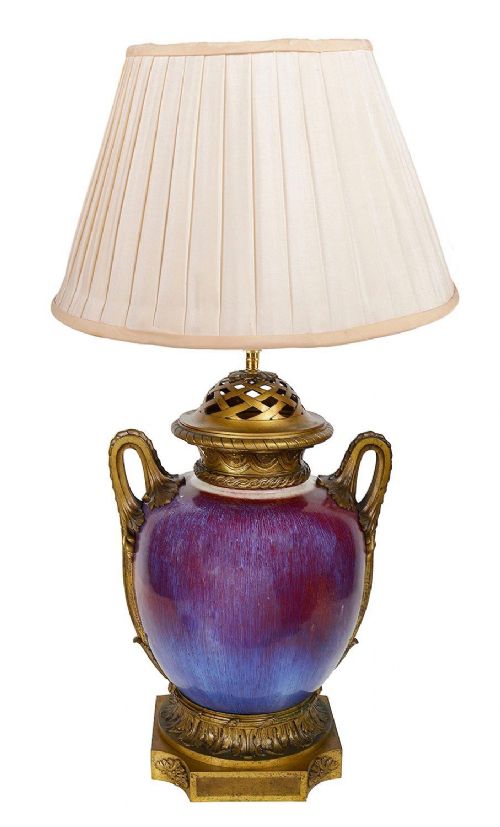

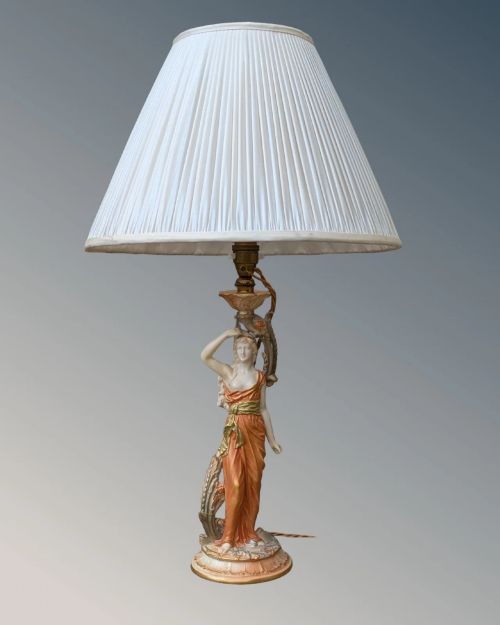


Pleated Shade Ceramic Lamp
These pleated shade ceramic lamp selections bring together converted antique vases and purpose-built porcelain bodies designed to cast a warm domestic glow.
Pleated Shade Ceramic Lamp
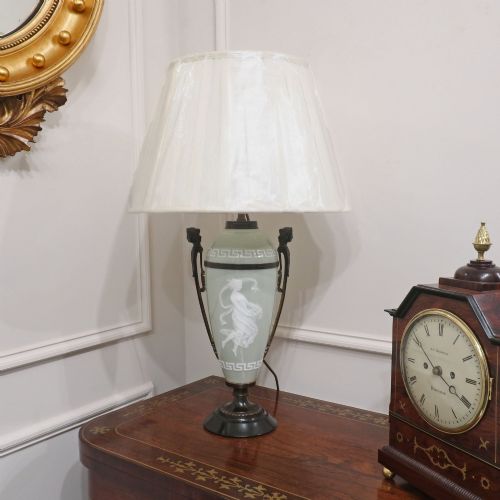
When you search for a pleated shade ceramic lamp, you encounter lighting solutions built from centuries-old ceramic vessels. The selection draws heavily on converted Chinese and Japanese vases alongside European porcelain and earthenware bodies.
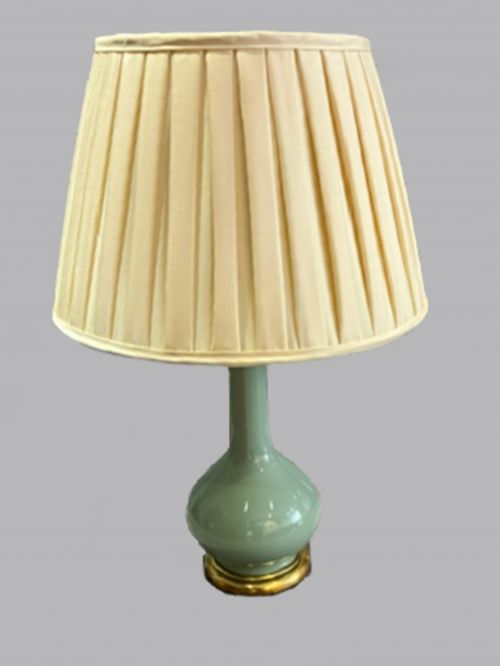
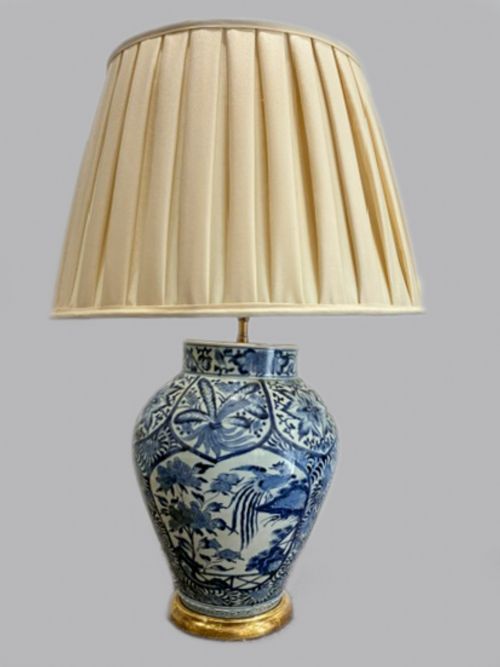
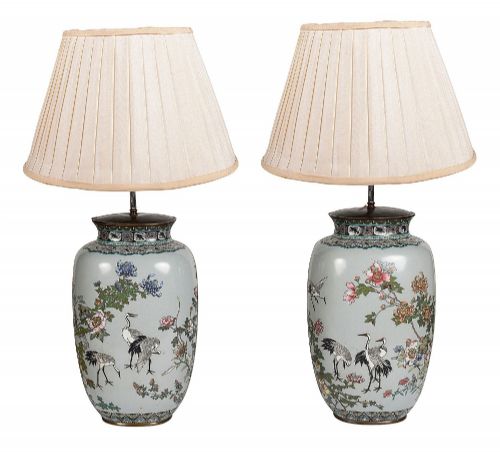
Many examples utilise historic ginger jars, Celadon vessels, and Imari or Satsuma pieces adapted into table lamps. These objects bridge the gap between ancient Far Eastern porcelain production and functional nineteenth-century or twentieth-century interior lighting.
The assortment spans diverse eras from the seventeenth century through the Art Deco period. Pieces frequently pair historic ceramic bodies with handmade shades and mounted brass or gilt bronze bases.
How they were made
Makers formed these bodies from porcelain, earthenware, and ceramic before applying intricate hand-painted designs such as blue and white glazes or polychrome enamels. Artisans frequently mounted the finished vessels onto brass or gilt bronze bases to provide structural stability.
Conversion work involved drilling historic vases to accommodate electrical wiring while preserving the original glaze and decoration. Fabric and silk elements complete the upper assembly to diffuse light across the ceramic surface.
Materials recorded across the inventory include porcelain, brass, silk, earthenware, and gilt bronze.
What varies in quality
The standard of execution depends heavily on the crispness of the ceramic glaze and the precision of the hand-painting. Early Chinese and Japanese export pieces display superior pictorial depth compared to later commercial adaptations.
The quality of the metal mountings and the subtlety of the conversion work dictate the overall finish. Sympathetic drilling and sturdy brass fittings separate expertly adapted vessels from hurried modern conversions.
Ernst Bohne and Sohn·Royal Worcester·Denby Ware·Samson
The Pleated Shade Ceramic Lamp Glossary
- Celadon
- A pale green jade-like glaze originating in East Asia. It appears frequently on historic vase bodies adapted for lighting.
- Cloisonné
- An enamelling technique where metal wire outlines compartments on a metal base. These surfaces add rich texture to lamp bodies.
- Famille Verte
- A porcelain palette dominated by green enamel tones. This Chinese decorative style dates through multiple historic dynasties.
- Imari
- A style of Japanese export porcelain featuring blue, iron-red, and gilt decoration. These vibrant patterns transfer effectively to table lamps.
- Ormolu
- Gilt bronze mountings applied to decorative arts. These metal elements support and elevate the ceramic vase bodies.
Pleated Shade Ceramic Lamp: Frequently Asked Questions
Are these antique lamps converted from original vases?
Many examples began life as ginger jars, temple jars, or decorative vases before receiving professional electrical conversion. Artisans adapted these historic vessels to function safely as table lamps while retaining their original ceramic integrity.
This practice of adaptation allows centuries-old Far Eastern and European ceramics to serve a practical purpose in modern interiors. Each conversion balances the preservation of the original body with contemporary wiring standards.
How do I identify a Japanese Meiji period lamp?
Meiji period pieces date from the late nineteenth century and often feature dense Satsuma or Kutani decorations. These ceramics display intricate hand-painted motifs that reflect traditional Japanese artistry from that specific imperial era.
Examining the crackle glaze and pigment application helps distinguish these pieces from later reproductions. The distinctive weight and coloration provide further clues to their nineteenth-century origins.
How should I style an antique ceramic lamp?
These lamps suit traditional studies, living rooms, and bedside tables where their textured ceramic bases act as focal points. Pairing them with neutral fabric or silk shades allows the historic patterns on the body to stand out.
Position the lamp near complementary wooden furniture or brass accents to echo the materials found in the mounts. The warm light enhances the hand-painted glazes and crackleware details.