

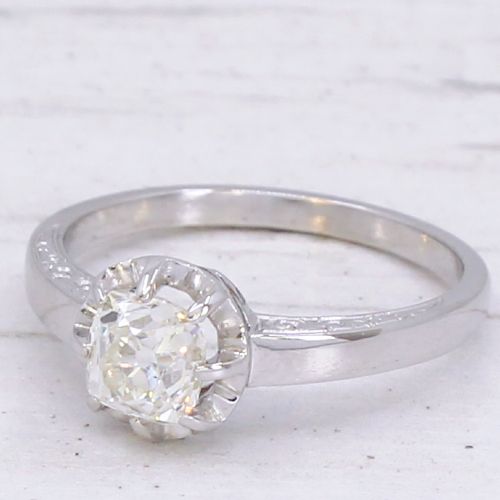


Platinum Setting Engagement Ring
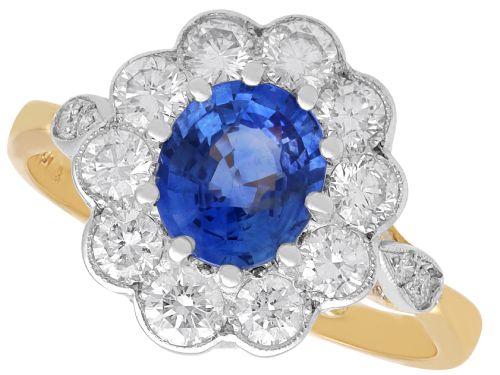
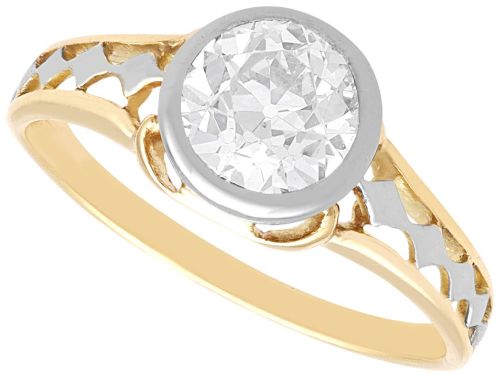
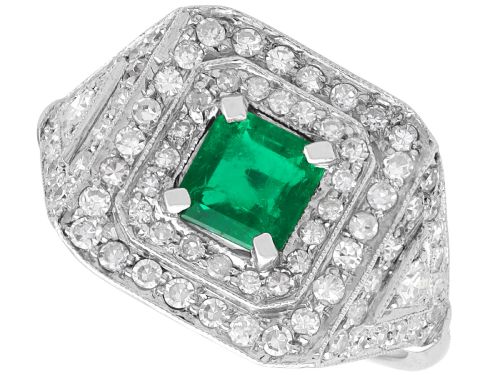
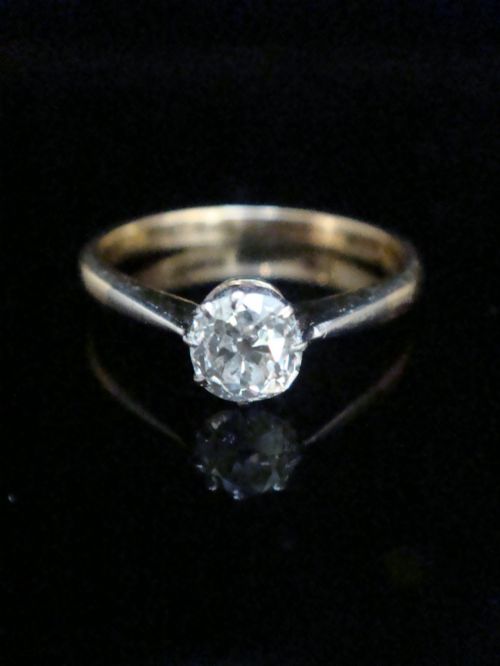
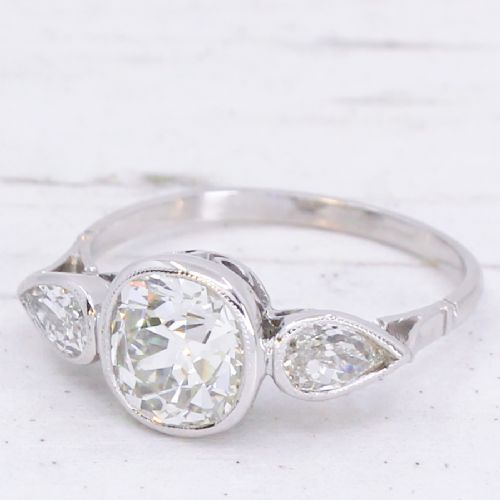
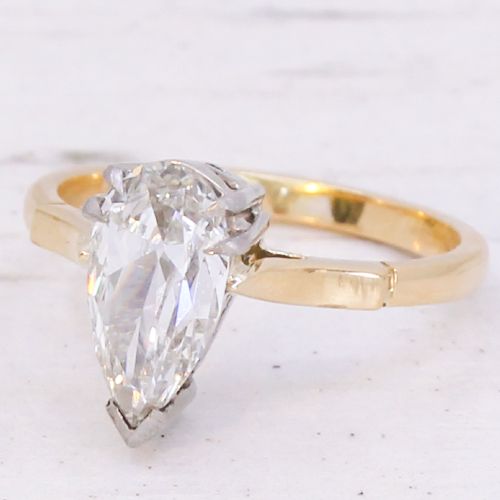
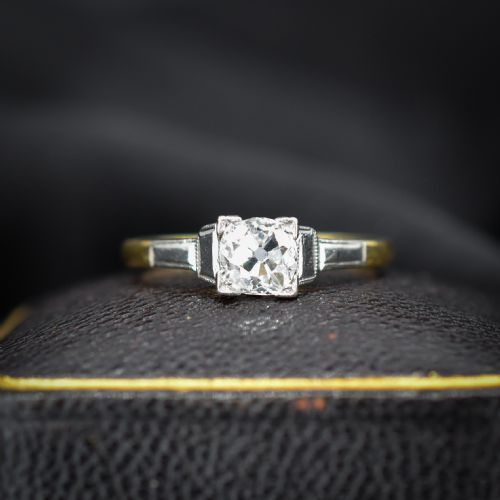
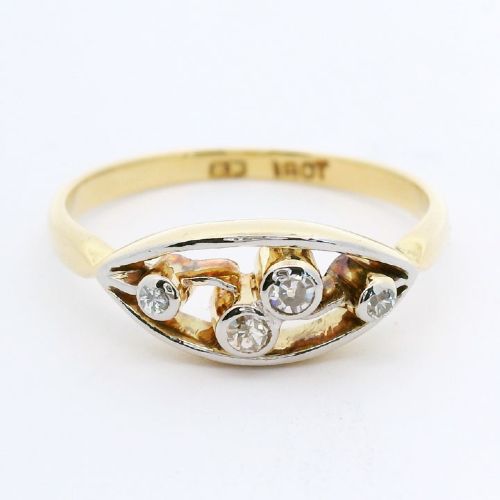
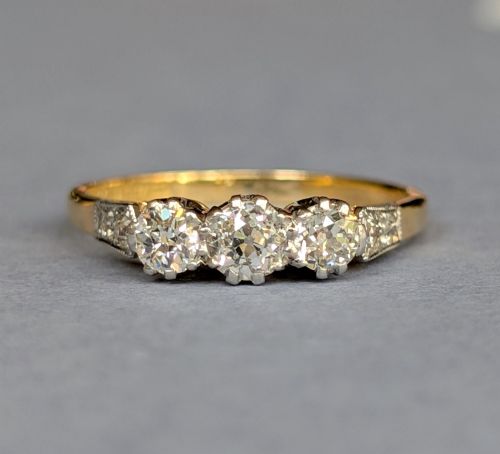
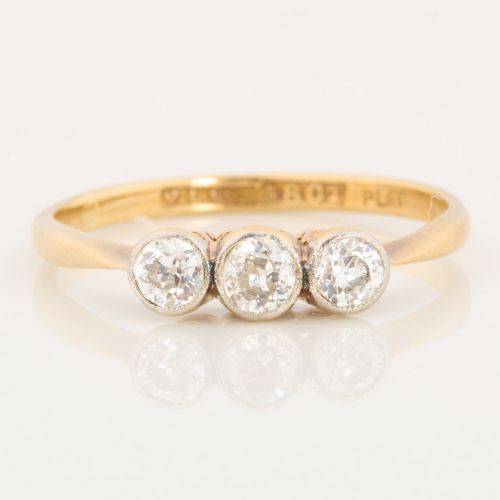
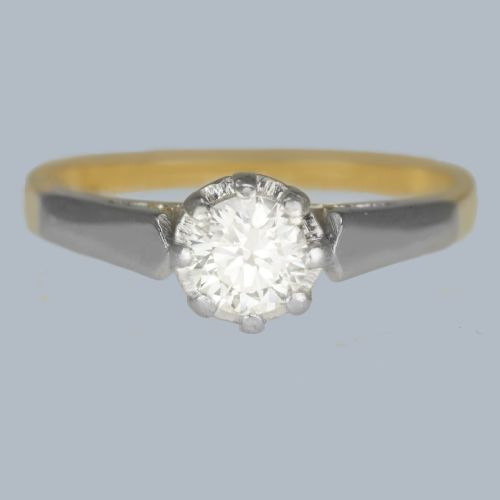
A platinum setting engagement ring brings together durable white metal and brilliant diamonds from the Edwardian, Art Deco, and mid-century periods.
Platinum Setting Engagement Ring
The materials frequently combine platinum with 18ct gold, 18ct yellow gold, or 18ct white gold to mount central stones. Old cut, old European cut, and transitional cut diamonds dominate the configurations, often accompanied by natural sapphires or black diamonds. These rings demonstrate various styles, including 1940s retro and modern contemporary aesthetics.
How they were made
Goldsmiths and jewellers utilised durable platinum to fashion fine, secure settings that held stones firmly while minimising visible metal. This dense white metal allowed for intricate pierced gallery work and delicate millegrain edges during the Edwardian and Art Deco periods.
Makers combined platinum heads with 18ct gold shanks, joining white metal illusion settings to yellow or white gold bands. Stones such as old cut diamonds and sapphires were hand-set using claw, bezel, or flush techniques suited to the period of manufacture.
Some Edwardian rings feature hidden inner band engravings that whispered romantic secrets directly against the wearer's skin.
What varies in quality
Quality separates pieces through the precision of the metalwork and the optical merit of the stones. Finer examples display crisp geometric pierced detailing and secure, even claw work that holds the diamond without excess bulk.
The character of the diamond cut dictates much of the distinction, as older hand-cut stones feature individual facets that catch light differently from modern brilliant cuts. The harmony between the platinum setting and the supporting gold shank also reflects the maker's original standard of construction.
The Platinum Setting Engagement Ring Glossary
- Old cut
- A diamond cut by hand before modern machinery, typically featuring a smaller table and larger culet. These stones exhibit distinctive soft light reflection.
- Trilogy ring
- A ring set with three main stones, frequently interpreted as representing the past, present, and future. They often combine diamonds of graduating sizes.
- Millegrain
- A decorative technique creating a border of tiny raised metal beads along the edge of a setting. It was particularly popular in Edwardian and Art Deco jewellery.
- Target ring
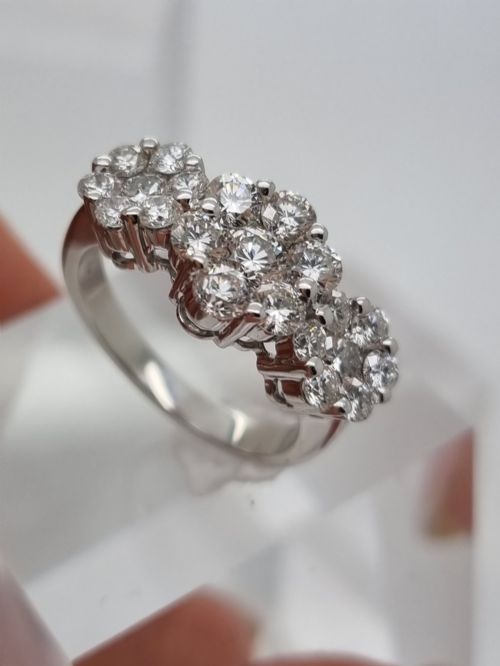
- A circular cluster ring featuring a central stone enclosed by one or more concentric rings of contrasting gemstones or smaller diamonds.
Platinum Setting Engagement Ring: Frequently Asked Questions
How do I care for a vintage platinum ring?
Clean the metal and stones gently using warm soapy water and a soft brush to remove everyday oils. Avoid harsh chemicals that might affect older gold shanks or secondary gem settings.
Have a professional jeweller inspect the claws and settings periodically to ensure the diamonds remain secure in their original mountings.
Can these rings be resized easily?
Many platinum and gold rings can be adjusted by a skilled jeweller, depending on the complexity of the shoulder design and any channel-set stones. Alterations require care to preserve hallmarks and delicate metalwork.
Consult a specialist who understands antique construction methods before undertaking any structural changes to the band.
What is an old European cut diamond?
An old European cut is a predecessor to the modern round brilliant, characterised by a high crown, small table, and deep pavilion. These stones were shaped by hand during the late nineteenth and early twentieth centuries.
Their proportions create a distinct pattern of light return that differs from contemporary machine-cut stones.
How do I distinguish Edwardian from Art Deco styles?
Edwardian designs lean towards lace-like platinum work, floral motifs, and flowing garlands inspired by the early twentieth century. The aesthetic prioritises delicate elegance and high-set stones.
Art Deco pieces favour bold geometric lines, symmetry, and sharp contrasts, reflecting the architectural shifts of the 1920s and 1930s.