

Platinum Diamond Setting
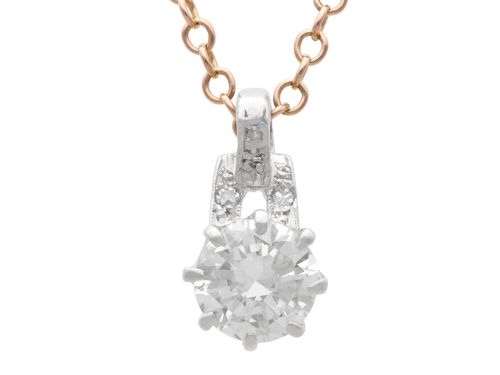
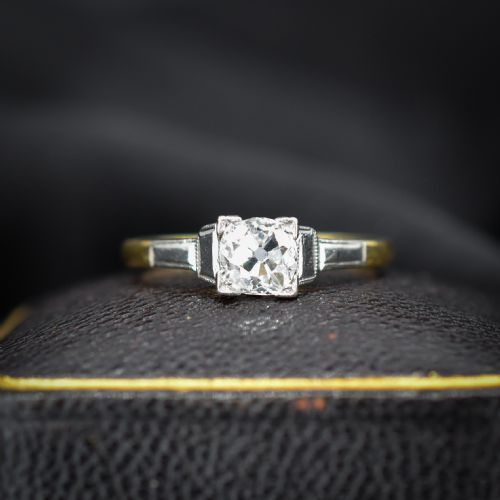
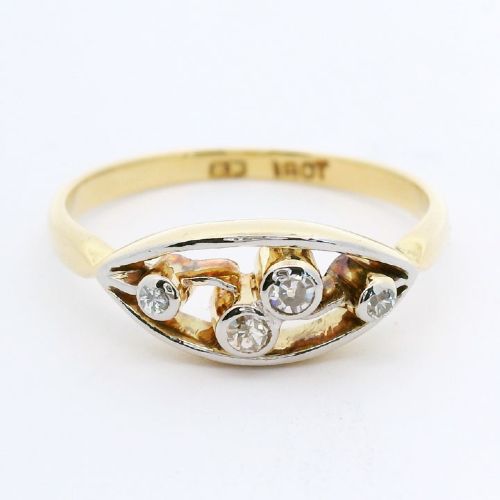
When you search for a platinum diamond setting, you are looking at enduring precious metal mountings designed to showcase fine diamonds.
Platinum Diamond Setting
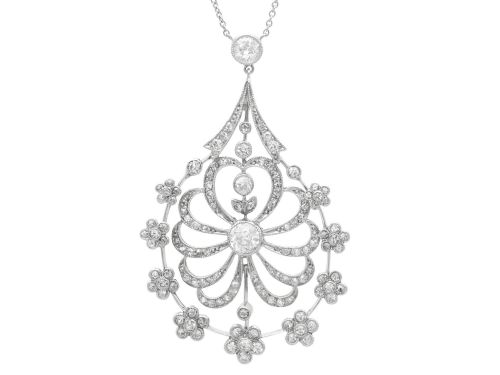
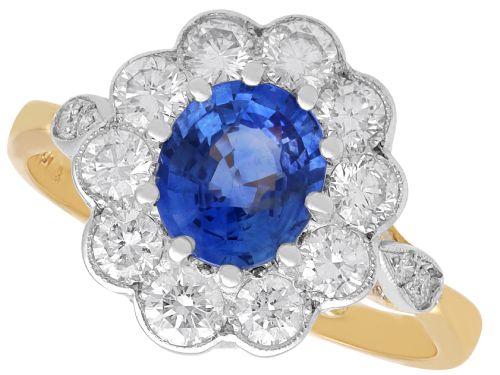
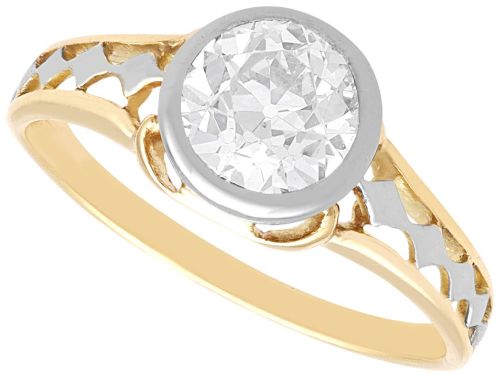
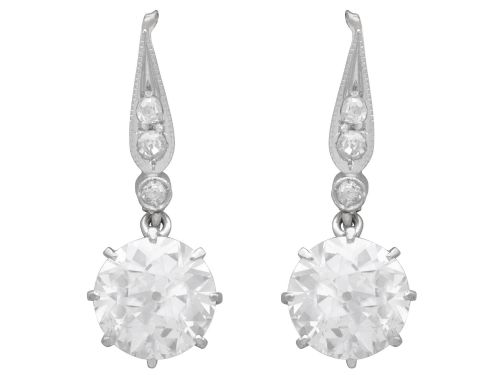
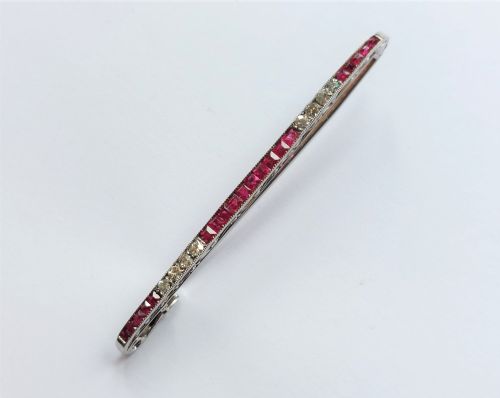
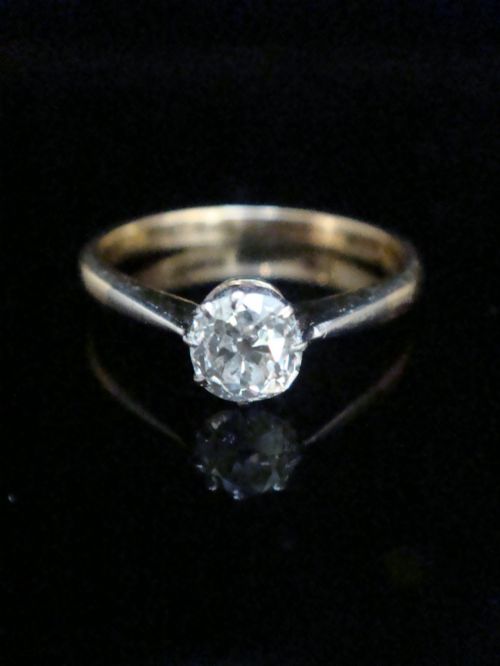
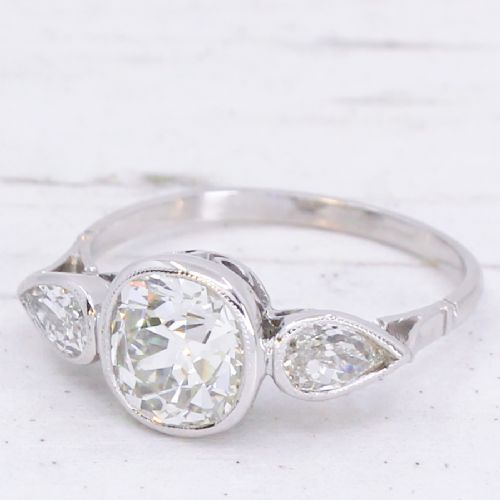
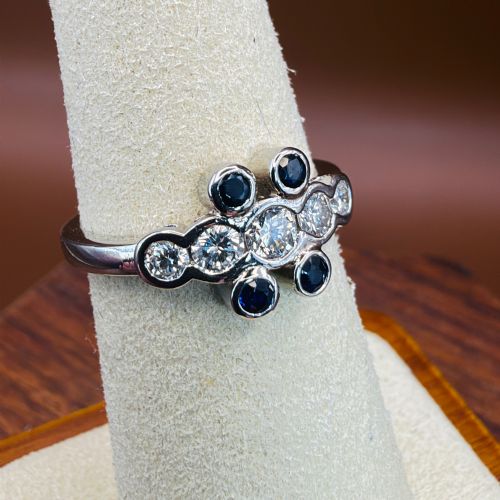
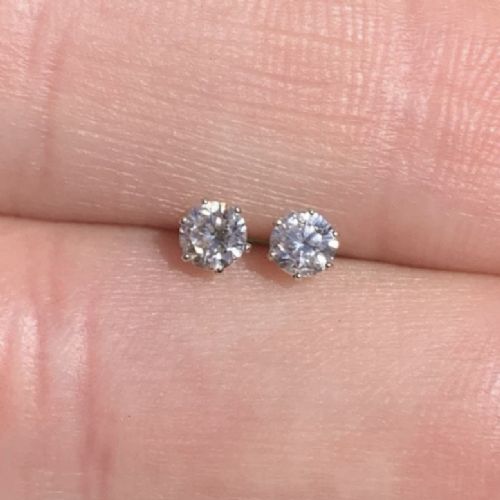
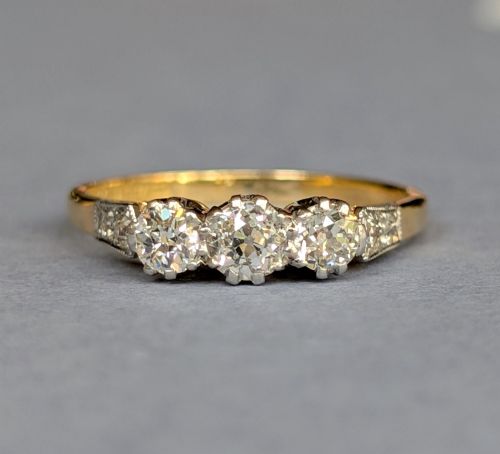
You will most commonly encounter rings, including engagement rings, solitaires, clusters, and multi-stone trilogy designs. Earrings, bracelets, watches, and necklaces also appear across these historical periods.
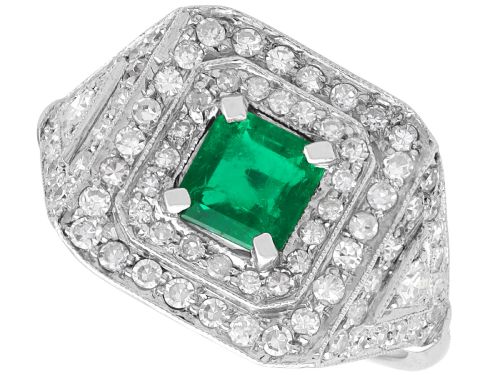
The aesthetic ranges from geometric Art Deco creations and delicate Edwardian cluster work to cleaner mid-century lines and modern contemporary styles.
How they were made
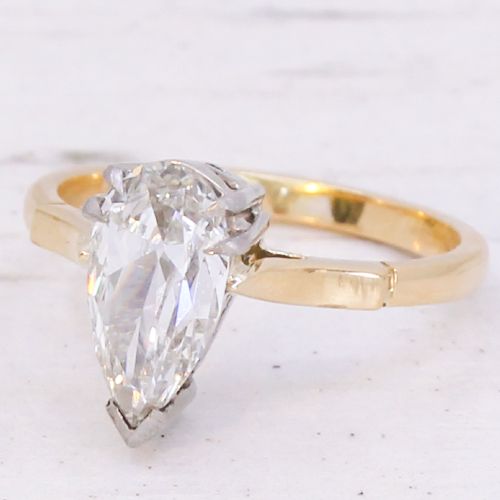
Platinum serves as the primary structural metal for the settings, chosen for its strength and bright white lustre that securely holds stones with minimal visible bulk. Combinations with 18ct yellow gold, 18ct white gold, and occasional 9ct gold bands provide contrast and structural support.
Diamonds are cut in various historical styles, including old cut, old European cut, transitional cut, brilliant cut, pear, cushion, and rose cuts. Sapphires, black diamonds, rubies, and emeralds often accompany the diamonds in cluster and multi-stone configurations.
Listings feature items spanning the Edwardian period through the 1960s, using platinum alongside yellow gold and white gold.
What varies in quality
The distinction between tiers rests on the proportion and integration of the platinum setting relative to the shank and side stones. Earlier hand-worked mountings demonstrate fine millegrain edges and openwork piercing that require high technical skill.
Stone selection dictates overall caliber, with older antique cuts possessing distinct facet patterns that differ from later brilliant cuts. Maker attribution, such as signed pieces from established workshops, elevates the standing of an item within the historical range.
Kutchinsky
The Platinum Diamond Setting Glossary
- Platinum
- A dense, durable, and naturally white precious metal used extensively in fine jewellery settings to hold diamonds securely.
- Old Cut
- A term describing diamond cutting styles prevalent before modern brilliant standards, often featuring smaller tables and higher crowns.
- Millegrain
- A decorative technique involving a line of tiny beaded metal beads along the edges of a setting.
- Trilogy Ring
- A ring featuring three primary gemstones, traditionally representing the past, present, and future.
- Toi et Moi
- French for you and me, describing a ring style featuring two main side-by-side gemstones.
Platinum Diamond Setting: Frequently Asked Questions
What is a platinum diamond setting?
A platinum diamond setting is a jewellery mounting made from platinum specifically shaped to secure diamonds within rings, earrings, or brooches. Platinum provides the necessary tensile strength to hold stones safely while maintaining a slender profile.
These settings appear across various eras, most notably in Art Deco and Edwardian designs where the white metal complemented the sparkle of old-cut diamonds.
How do I identify an Art Deco setting?
Art Deco settings typically feature geometric motifs, symmetrical lines, and precise calibration of stones. They often utilise platinum heads combined with yellow or white gold shanks.
Look for intricate openwork gallery structures and fine millegrain detailing framing the primary diamonds.
Are these pieces suitable for daily wear?
Platinum is exceptionally durable and resistant to wear, making these settings robust candidates for everyday use such as engagement rings. The metal develops a soft patina over time rather than wearing away.
Prongs and settings should still be inspected periodically by a professional to ensure the stones remain completely secure.
What is the difference between old cut and brilliant cut diamonds?
Old cut diamonds are hand-cut stones from earlier periods that feature smaller tables, higher crowns, and larger culets. They produce a distinctive, softer candlelight sparkle compared to modern stones.
Brilliant cut diamonds follow standardised mathematical proportions designed to maximise direct light return and modern brilliance.