
Platinum Cluster Halo Ring
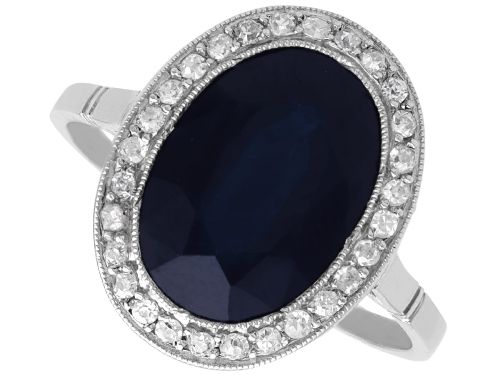
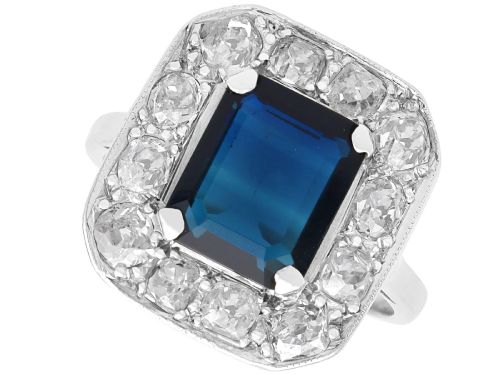
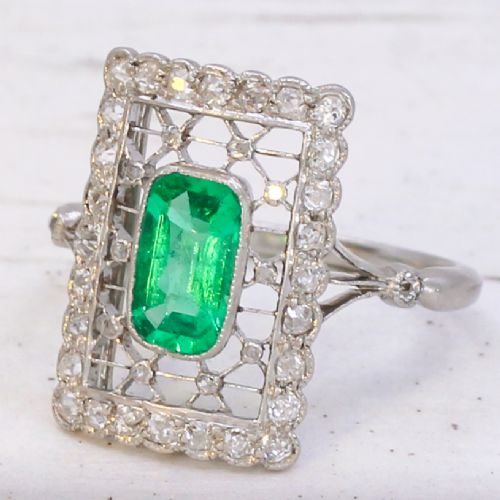
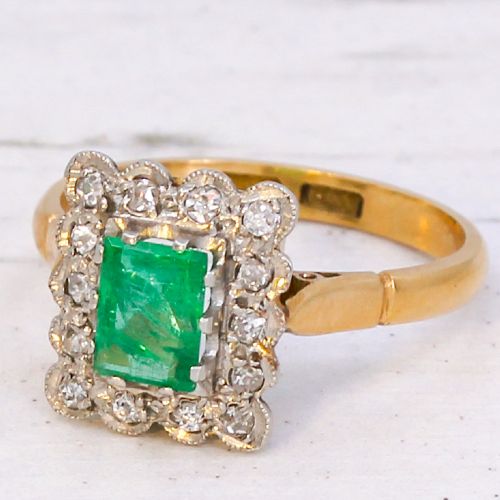
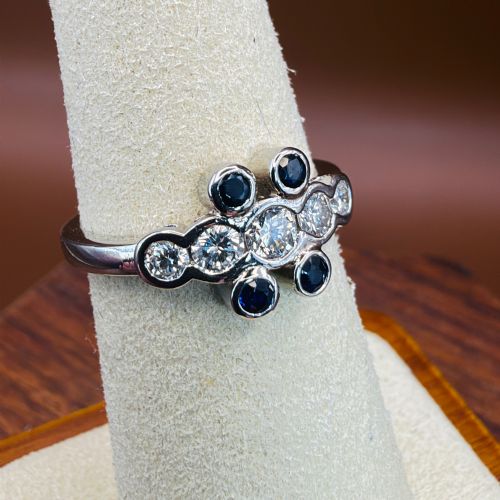
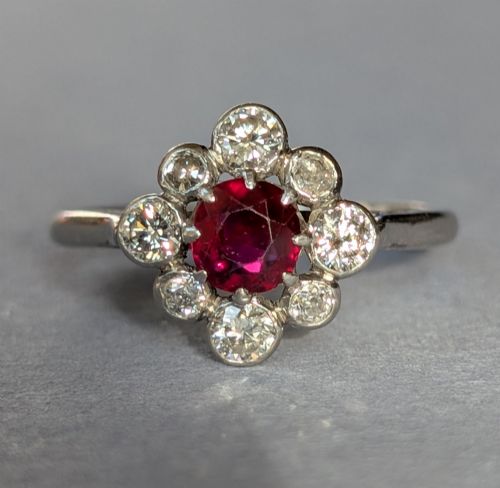
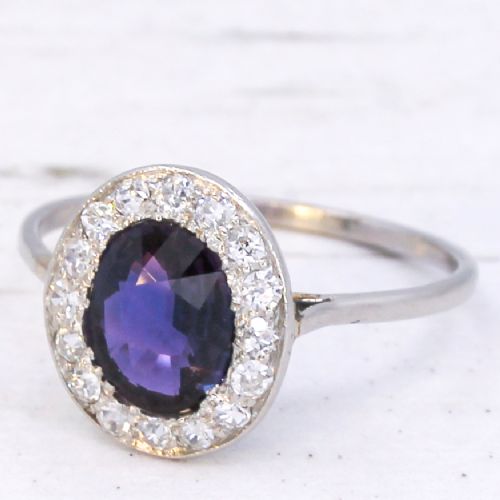
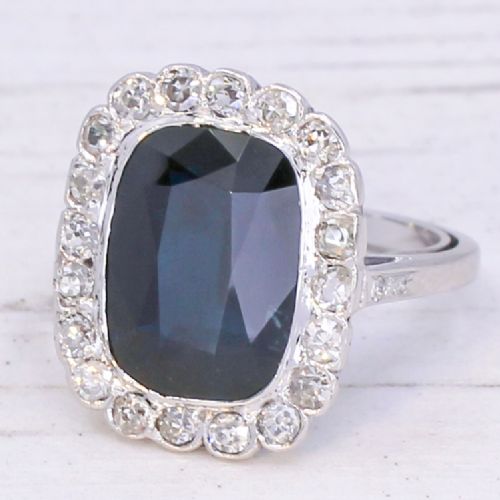
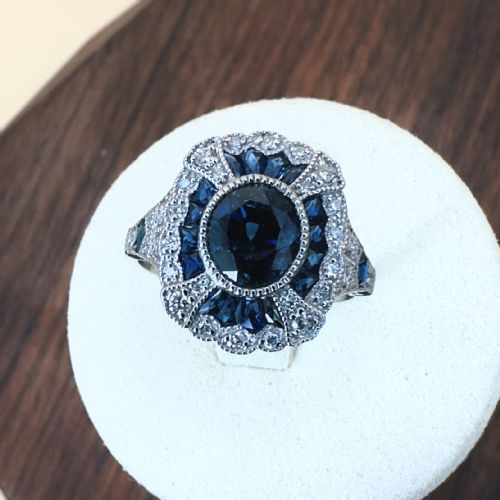
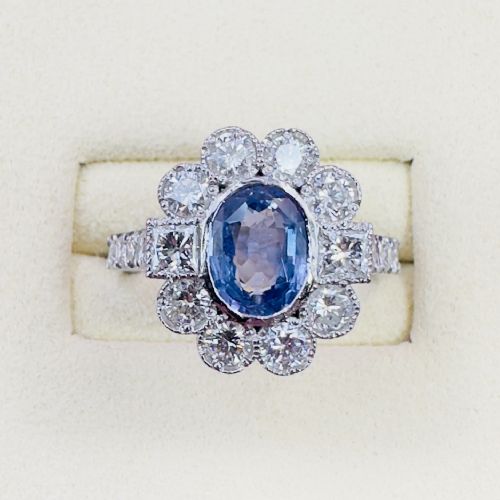
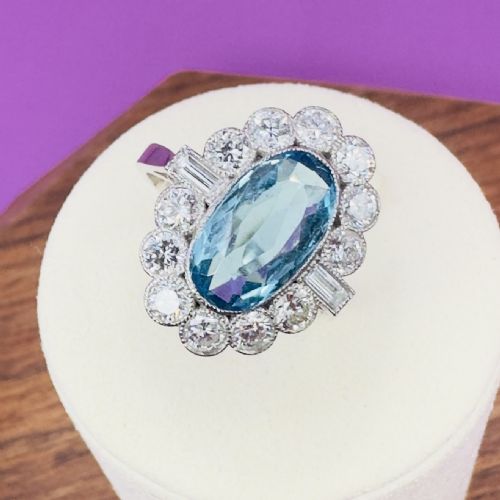
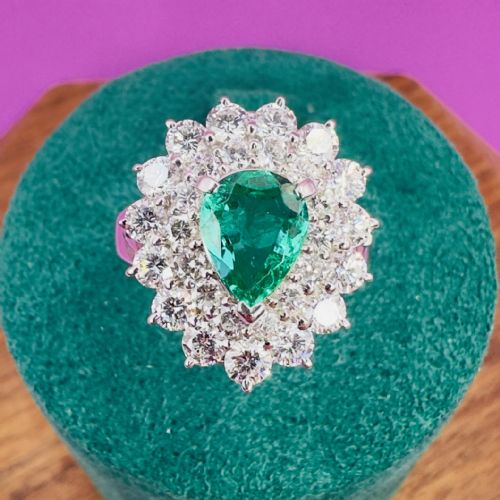
When you examine a platinum cluster halo ring, you find a central stone encircled by smaller gems, set within bright metal.
Platinum Cluster Halo Ring
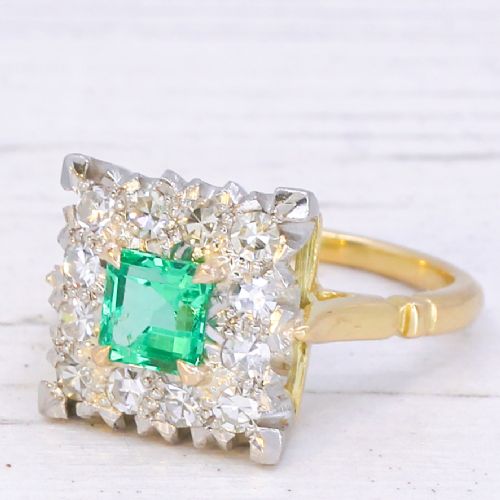
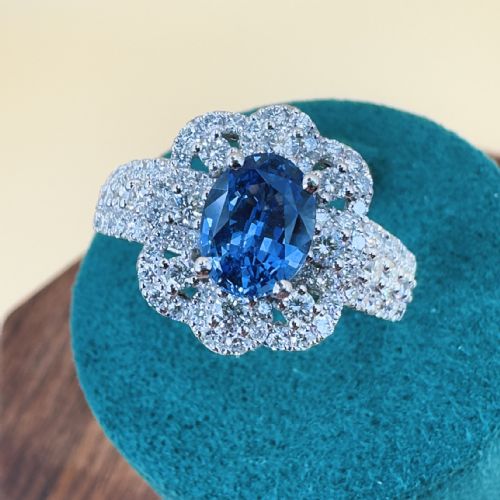
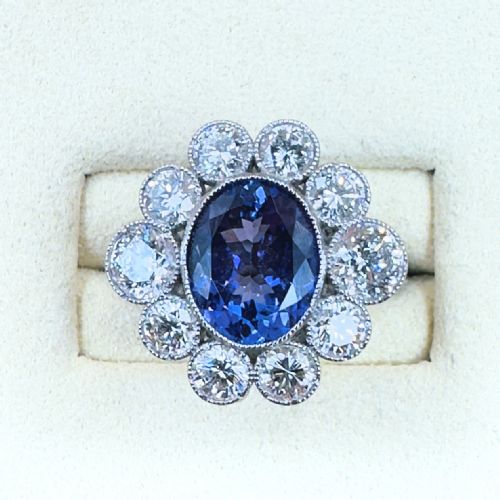
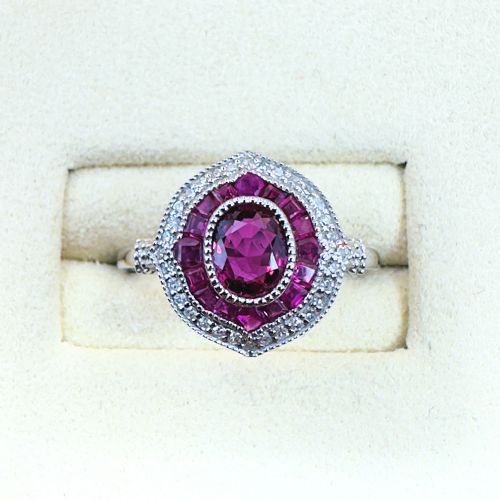
A platinum cluster halo ring brings together a prominent centre stone surrounded by a border of smaller gems, forming a distinct floral or geometric outline. The pieces on this page span from the Edwardian era through the Art Deco period, the nineteen-forties, and mid-century modern designs.
You will encounter dress rings and engagement pieces alike, utilising platinum settings alongside combinations of eighteen-carat yellow gold and white gold. The central focal points incorporate diamonds, sapphires, emeralds, rubies, aquamarines, tanzanites, opals, and zircons.
The layout frequently follows a target form, an oval configuration, or an elongated silhouette, echoing styles from nineteen-ten to nineteen-sixty. Each specimen relies on the contrast between bright white metal and coloured gemstones to define its character.
How they were made
Makers utilised durable platinum alongside eighteen-carat yellow gold to secure the stones, often mounting diamonds and coloured gems in precise claw or bezel settings. Platinum provided the strength required for delicate wirework and millegrain edges without adding excessive weight to the band.
Gemstones were shaped into old cuts, brilliant cuts, oval cuts, and calibré cuts to fit closely within the halo arrangement. Artisans balanced the heavy presence of large sapphires or emeralds by integrating meticulously aligned melee diamonds around the perimeter.
Listings feature platinum and eighteen-carat gold pieces set with diamonds, sapphires, emeralds, and rubies spanning from the Edwardian era through the nineteen-sixties.
What varies in quality
The calibre of the central gemstone dictates the distinction among these pieces, particularly when dealing with unheated sapphires or emeralds accompanied by gemmological reports detailing oil treatments. The purity and saturation of colour in rubies, emeralds, and sapphires elevate certain examples above standard commercial stones.
The precision of the surrounding diamond halo and the fineness of the platinum claw work or millegrain detailing demonstrate the maker's skill. Heavier gram weights and robust shank construction also separate substantial dress rings from lighter, simpler mounts.
Le Vian
The Platinum Cluster Halo Ring Glossary
- Halo
- A ring of smaller gemstones encircling a larger central stone. This layout magnifies the visual impact of the primary gem.
- Millegrain
- A decorative technique featuring tiny raised beads of metal along the edges of a setting. It creates a soft, textured border typical of Edwardian and Art Deco jewellery.
- Calibré cut
- Small gemstones specifically shaped and cut to fit tightly together in geometric patterns. These are frequently seen bordering the central motifs in Art Deco designs.
- Target ring
- A circular cluster design featuring concentric rings of contrasting coloured stones and diamonds. The pattern resembles an archery target.
- Old cut
- A diamond facet arrangement predating the modern brilliant cut, characterised by a smaller table and higher crown. These stones exhibit a distinctive, softer candlelight sparkle.
Platinum Cluster Halo Ring: Frequently Asked Questions
How do I wear an antique halo ring?
These rings function well as daily wear or evening dress pieces, though care should be taken with softer central stones like opals or pearls. Pairing them with plain wedding bands allows the detailed halo setting to remain the focal point.
Consider the profile height when matching them with other bands to ensure a comfortable fit on the finger.
How do I tell an Art Deco ring apart?
Art Deco pieces display geometric symmetry, calibré cut stones, and sharp lines rather than the flowing organic curves found in earlier Edwardian examples. They often utilise platinum settings combined with calibre sapphires, emeralds, or onyx.
The overall geometry tends to emphasise bold angles and stepped motifs rather than soft floral sprays.
What materials are used in these rings?
The primary structural metal is platinum, occasionally accompanied by eighteen-carat yellow gold or white gold in the shank or gallery. Gemstones range from diamonds and sapphires to emeralds, rubies, aquamarines, and tanzanites.
Many listings also incorporate natural pearls, opals, and zircons secured within meticulous metalwork.