

Platinum Cluster Engagement Ring
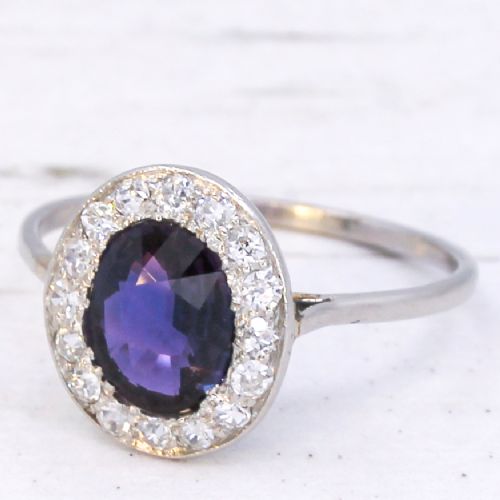
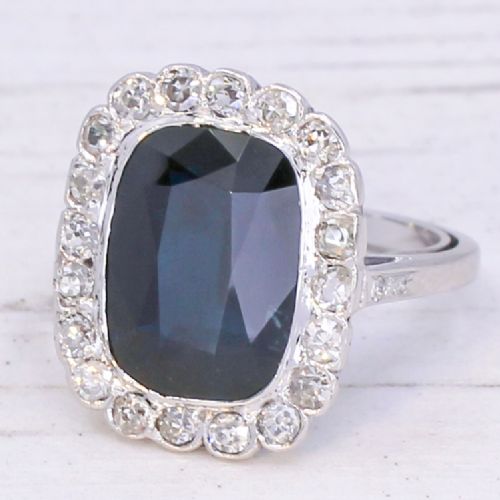
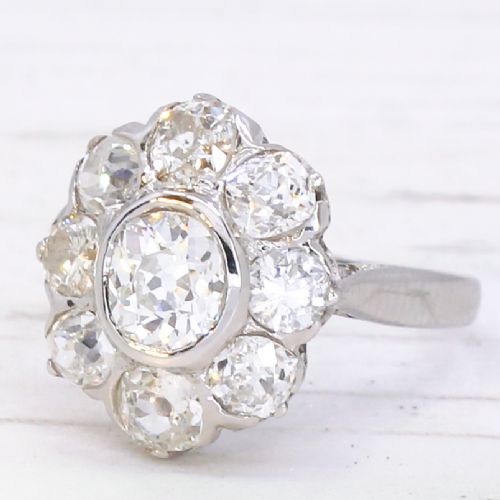
A platinum cluster engagement ring brings together a central stone encircled by smaller gems, offering enduring geometric presence from decades past.
Platinum Cluster Engagement Ring
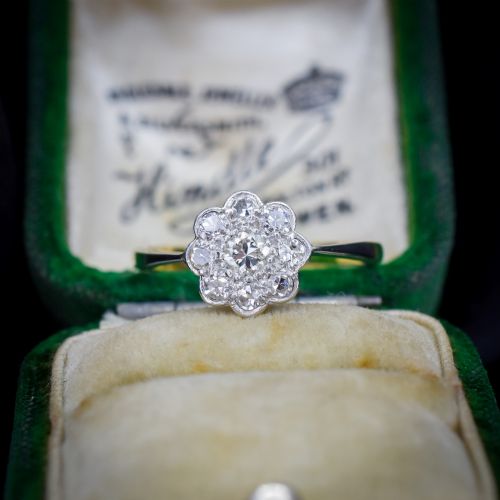
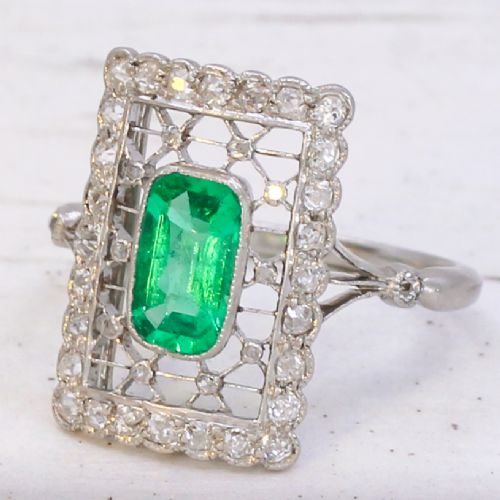
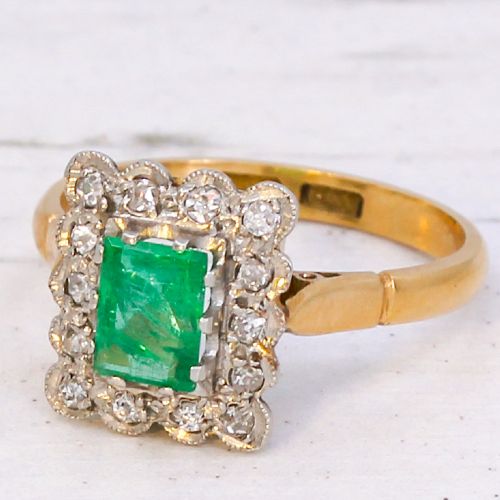
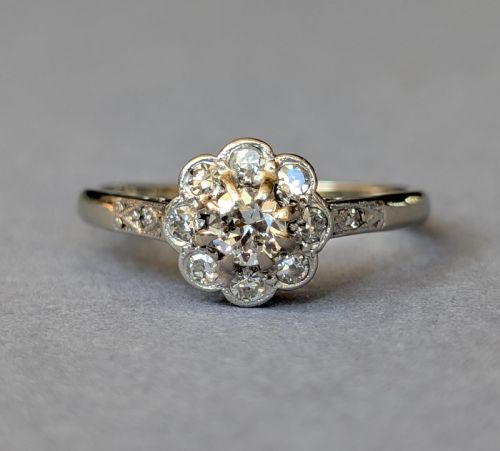
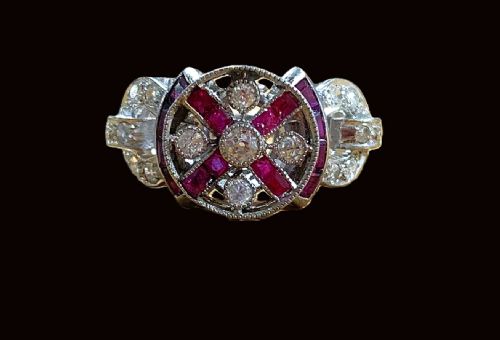
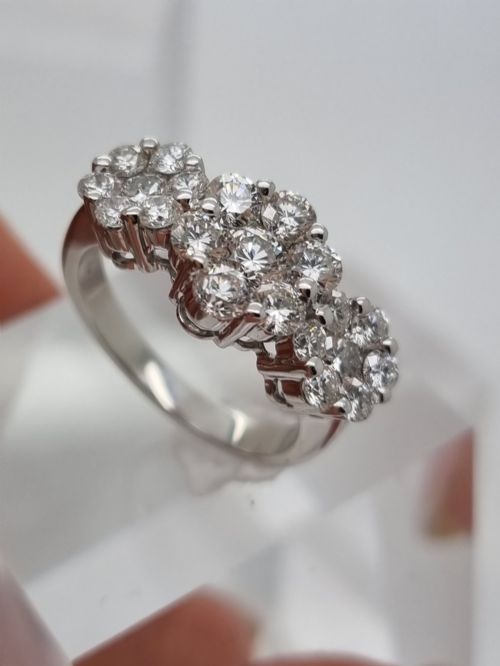
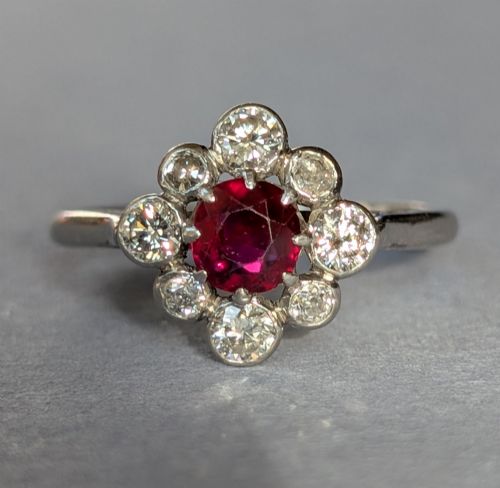
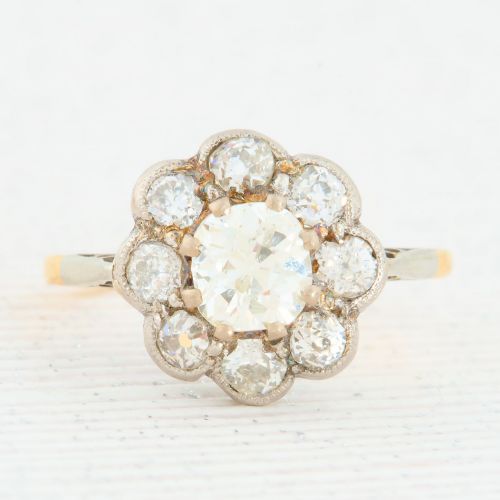
A platinum cluster engagement ring centres on a principal gemstone - frequently a diamond, sapphire, emerald, or ruby - surrounded by a fringe of smaller diamonds or accent stones. These pieces span periods from the Edwardian era through Art Deco, mid-century, and contemporary fine jewellery.
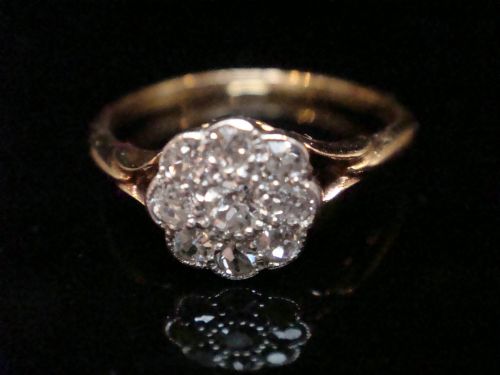
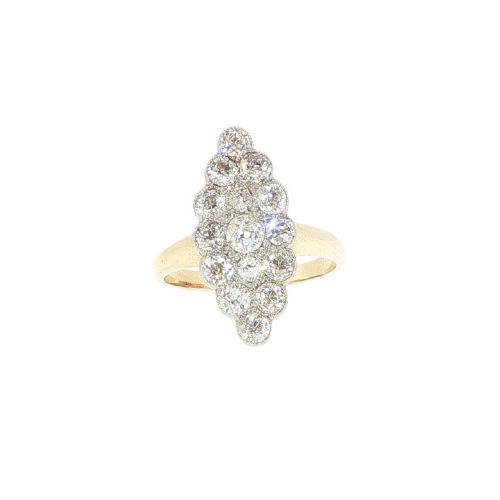
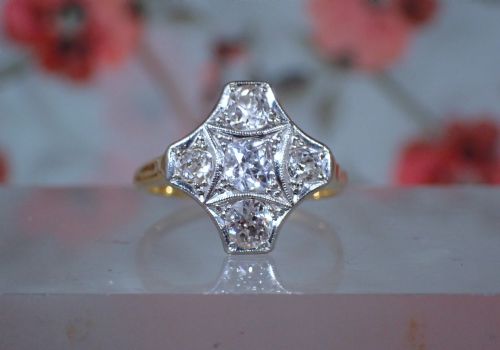
The layout often takes the form of a daisy cluster, a navette shape, or an oval halo, frequently mounted on a contrasting shank of 18ct yellow gold or solid platinum. Such configurations maximise the visual impact of the stones by letting shared light bounce between the central focus and the surrounding gems.
Buyers seeking this phrase encounter rings designed to sit low on the finger or stretch along the knuckle in a distinctive navette silhouette. The combination of platinum settings with yellow gold bands occurs frequently across antique and vintage examples from the early to mid-twentieth century.
How they were made
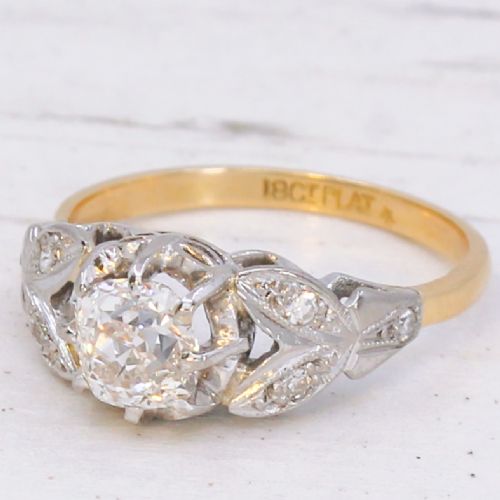
Goldsmiths utilised platinum for its strength, allowing intricate claw settings and delicate millegrain borders to hold small diamonds securely without bulky metal surrounds. This white metal was often paired with 18ct yellow gold shanks during the Edwardian and Art Deco periods.
Stones were typically hand-cut, employing old cut diamonds, cushion cuts, or oval and pear facets that interact differently with candle or electric light compared to modern machine-cut stones.
Several daisy cluster rings survive from eras when flowers were worn on the hand rather than pinned to a lapel.
What varies in quality
The calibre of the central gemstone - assessed through its natural colour, clarity, and treatment status such as unheated sapphires or negligible oil emeralds - largely dictates the standing of the piece. Matching the surrounding melee diamonds for uniformity in cut and brilliance also sets finer examples apart.
The precision of the metalwork, visible in the fineness of the millegrain edge and the symmetry of the cluster arrangement, shows the skill of the original workshop.
Le Vian
The Platinum Cluster Engagement Ring Glossary
- Cluster ring
- A ring design featuring a central gemstone surrounded by a group of smaller stones. This layout was favoured in the Edwardian and Art Deco periods to maximise sparkle.
- Millegrain
- A decorative technique involving a row of tiny raised metal beads along the edge of a setting. It creates a soft, textured border typical of Edwardian and platinum jewellery.
- Navette
- A boat-shaped or marquise silhouette that extends lengthwise along the finger. Antique examples often use this elongated form to showcase multiple diamonds.
- Old cut
- A hand-faceted diamond cut predating modern brilliant standards, characterised by a smaller table, higher crown, and open culet. These stones display a warm, chunky light return.
- Toi et moi
- French for you and me, denoting a ring design featuring two main stones symbolising two souls entwined. These often appear alongside twist shanks.
Platinum Cluster Engagement Ring: Frequently Asked Questions
How do I wear a cluster ring daily?
These rings pair well with plain wedding bands, though the profile of a cluster means it may sit slightly apart from straight bands unless paired with a shaped matching ring.
Regular checks by a jeweller ensure the platinum claws holding the smaller stones remain secure during everyday wear.
What is an old cut diamond?
An old cut diamond is a stone shaped by hand before modern machinery standardised facet counts. These gems possess smaller tabletops and deeper pavilions.
They catch low-ambient light with a softer, broader glow than contemporary brilliant-cut stones.
Are sapphires and emeralds natural?
Many vintage and antique examples feature untreated or minimally treated gemstones, such as unheated sapphires or emeralds with negligible oil.
Gemmological reports often accompany these pieces to verify their origin and treatment status.
How do I tell Edwardian from Art Deco?
Edwardian rings lean towards delicate floral motifs, platinum-topped gold, and organic garland styles popular around the turn of the twentieth century.
Art Deco pieces shift towards geometric symmetry, sharp lines, and platinum settings dominated by strong contrasts.