



Plated Dining Flatware
Plated dining flatware brings the shine of silver to the table without the weight of the full metal, offering everything from service sets to large canteens.
Plated Dining Flatware
Plated dining flatware encompasses the forks, knives, servers and specialised tools used at the table, finished in silver plate rather than solid silver. Buyers searching for plated dining flatware will encounter various forms ranging from single serving pieces to large canteens.
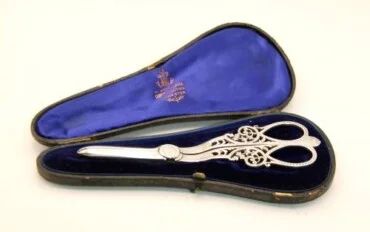
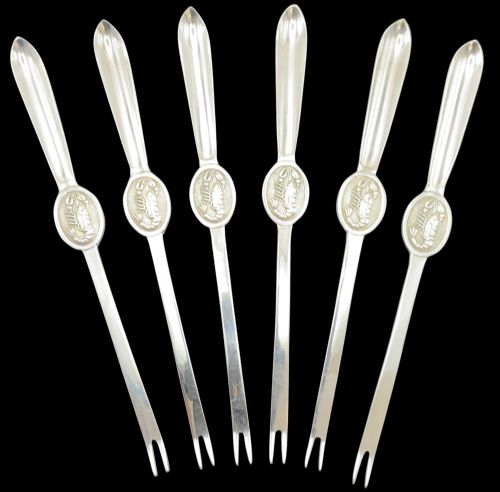
Sets vary in scale from small specialist fish and lobster groups to extensive canteens housing over one hundred pieces. Many arrive complete with fitted storage cases lined in velvet or leatherette.
How they were made
Makers shaped the core bases from metal or steel before applying a layer of silver plate to the surface. Handles incorporated organic materials such as bone and antler, fixed firmly to the metal shafts.
Decoration relied on piercing and ornate casting, particularly visible on the ends of serving tongs and fish servers. Storage vessels utilised wood lined with velvet or leatherette to protect the plated surfaces from tarnish and wear.
Plated Dining Flatware Retail Price Guide 2026
Typical asking prices for plated dining flatware among the pieces listed under this phrase on Sellingantiques today, from the lower quarter to the upper quarter. They describe what is for sale here now, not the wider market.
The inventory spans the nineteenth century through the 1930s, featuring materials including silver plate, bone, antler, wood, velvet and leatherette.
What varies in quality
Quality rests on the crispness of the pierced and cast decoration across the working ends of servers and tongs. Pieces retaining their original fitted canteens show a higher degree of initial investment.
The integrity of the underlying base metal and the evenness of the silver plate dictate longevity. Sets that remain unified within their original presentation cases demonstrate superior preservation.
Christofle Marly
The Plated Dining Flatware Glossary
- Silver Plate
- A base metal coated with a thin layer of pure silver through electroplating or older techniques. This provided a bright finish resembling solid silver at a lower cost.
- Canteen
- A fitted box or cabinet designed specifically to store a complete set of cutlery. These often feature multiple internal tiers and fitted slots.
- Fish Servers
- A matched pair comprising a large knife and fork used specifically for serving fish at the dining table. The blade of the knife is typically broad and flat with pierced decoration.
- Stilton Scoop
- A specialised tool featuring a semi-cylindrical blade designed for cutting and serving hard cheeses like Stilton. The handle is frequently formed from bone or silver.
- Art Deco
- A design style from the early decades of the twentieth century favouring geometric forms and clean lines. This aesthetic appears on pieces from the 1920s and 1930s.
Plated Dining Flatware: Frequently Asked Questions
What is included in a cutlery canteen?
A canteen houses a comprehensive collection of dining implements arranged in tiers inside a wooden case. These sets can include over one hundred matching pieces for multiple place settings.
Buyers find everything required for a formal meal contained within a single fitted box lined with protective fabric.
How do I identify Victorian pieces?
Victorian examples often display heavy cast ornamentation, naturalistic handles made from antler or bone, and intricate pierced work on serving ends. These pieces date from the nineteenth century.
Examination of the overall weight and decorative motifs helps distinguish them from later Edwardian and Art Deco productions.
What are seafood forks used for?
Seafood forks are small, specialised implements designed for extracting meat from crustaceans like lobster. They feature narrow tines suited to delicate dining tasks.
These items usually appear as matched sets rather than part of a standard dinner service.
How should I store plated flatware?
Storage in fitted canteens lined with velvet or leatherette helps shield the silver plate from air and moisture. Keeping pieces separated prevents scratching between individual items.
Proper containment preserves the finish and reduces the need for frequent polishing.