



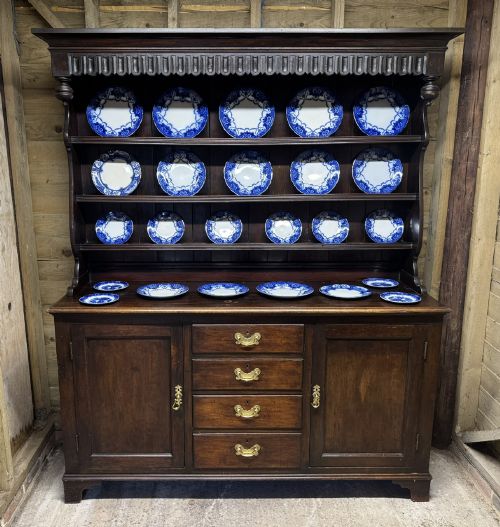

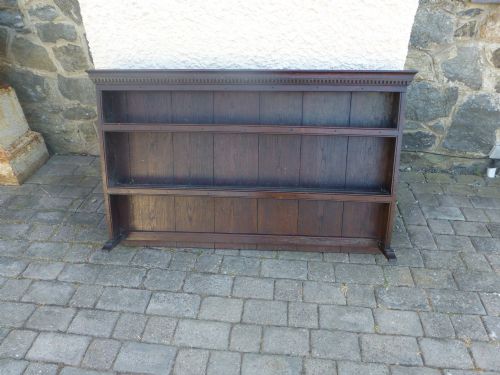
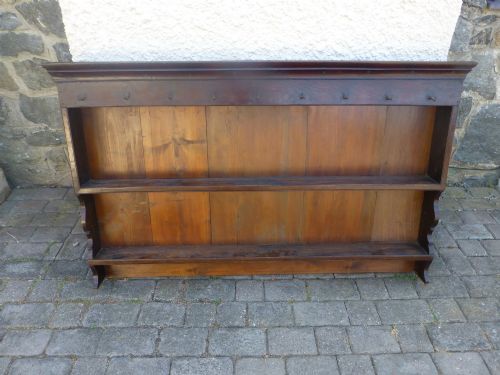
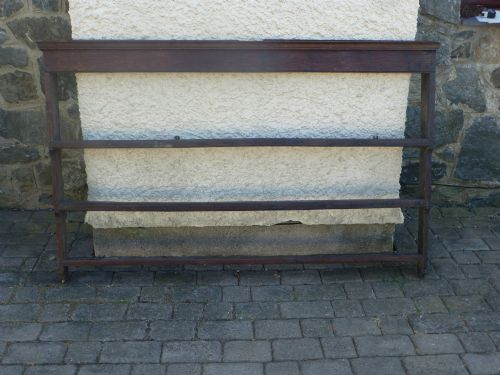
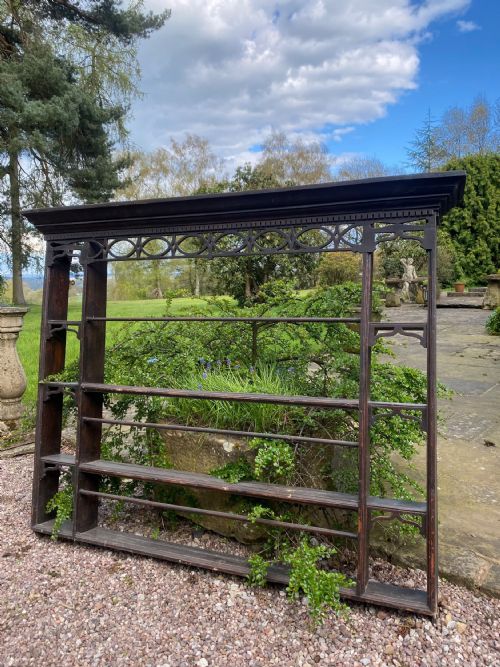
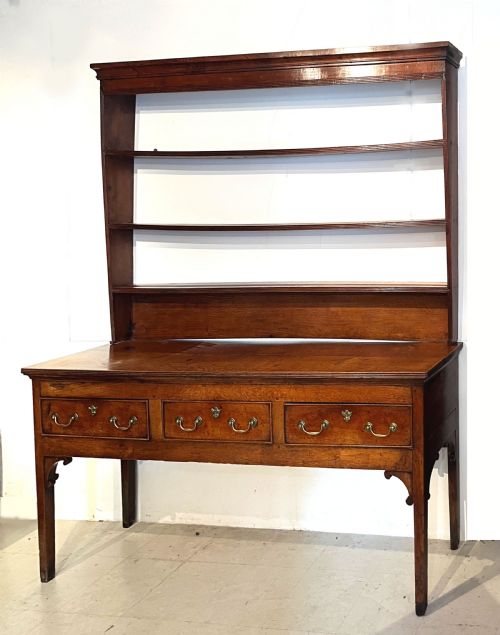
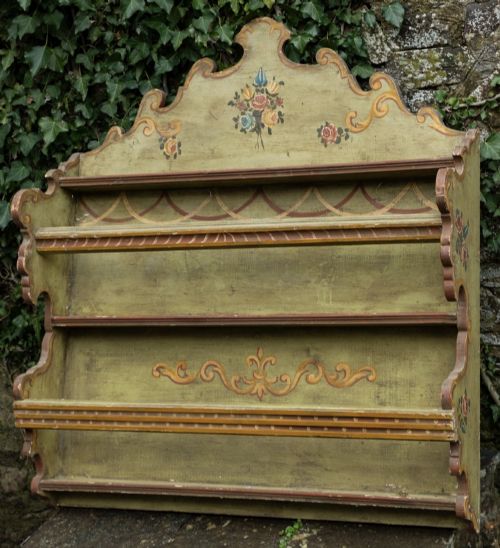
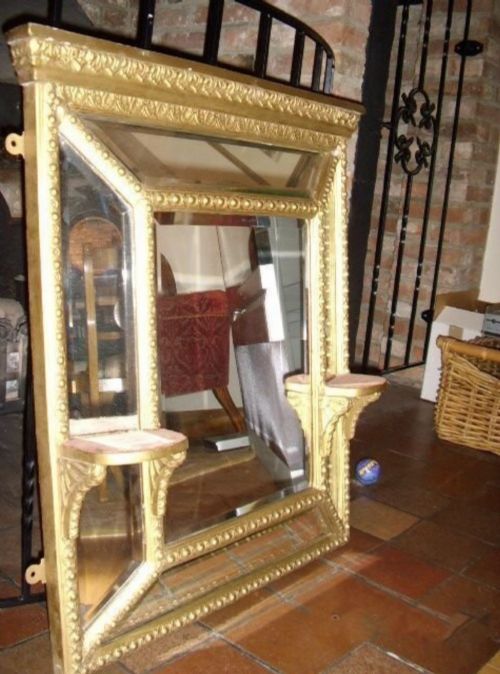

Plate Display Shelf
A plate display shelf organises domestic pottery against a wall while adding centuries of vernacular character to a room.
Plate Display Shelf
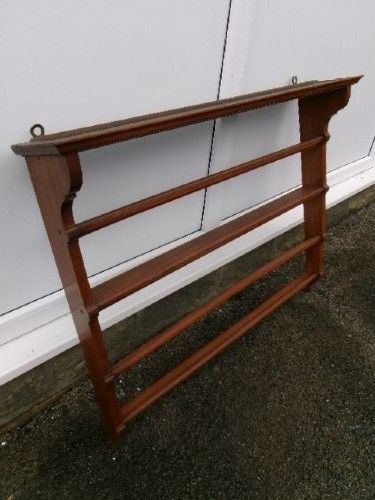
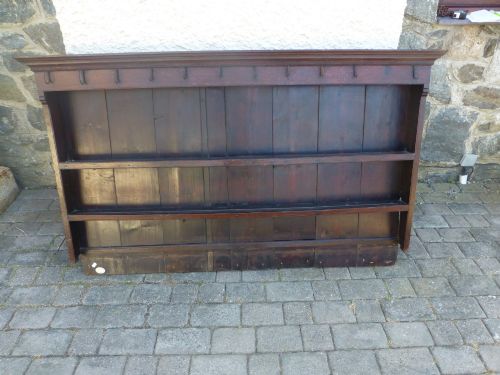
When searching for a plate display shelf, buyers encounter a variety of practical wooden fixtures designed to support tableware in kitchens and dining spaces. These pieces range from simple wall-hanging racks intended for delft pottery to larger two-part dressers and open cabinets.
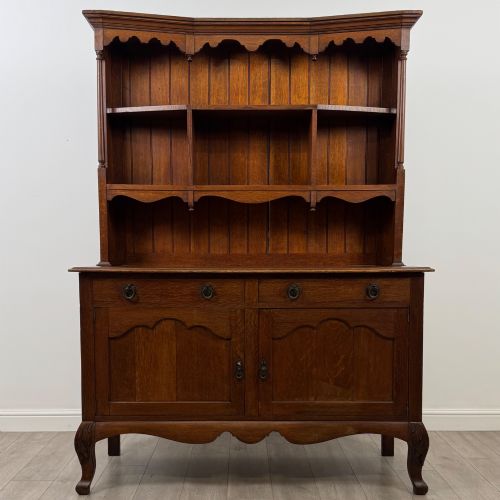
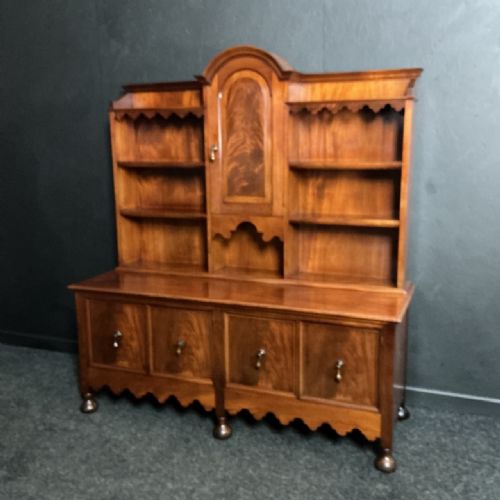
The selections span several distinct periods, with significant representation from the eighteenth and nineteenth centuries alongside Edwardian and vernacular country examples. Forms include hanging wall shelves, mahogany display shelves, and oak Welsh dressers with multiple open tiers.
Regional variations such as Welsh country furniture and English country pieces predominate, constructed from native hardwoods and softwoods. Buyers also find painted wood finishes, marquetry details, and architectural elements like Corinthian columns integrated into the designs.
Materials and construction methods
Cabinetmakers utilised sturdy native timbers, predominantly oak and pine, alongside mahogany and occasional cherry wood for finer display fixtures. Oak provided the structural strength required for heavy shelving units and traditional Welsh dressers.
Joinery techniques relied on traditional hand tools, visible in pegged joints, pegged frames, and carved ornamentation found on seventeenth-century and revival pieces. Backboards frequently consist of tongue-and-groove planking secured with hand-cut nails.
Surfaces received various treatments depending on regional style and date, ranging from plain waxed finishes to painted wood schemes utilising historic colour palettes. Brass hardware and bevelled glass accents appear on specific hanging mirrors and cabinet doors.
Plate Display Shelf Retail Price Guide 2026
Typical asking prices for plate display shelf among the pieces listed under this phrase on Sellingantiques today, from the lower quarter to the upper quarter. They describe what is for sale here now, not the wider market.
Early country makers occasionally incorporated secret compartments behind shelf cornices, offering families a hidden spot to stash tea rations away from thieving household staff.
Quality factors in traditional display shelving
Integrity of timber and surface preservation distinguish superior examples from standard utilitarian items. Original unstripped surfaces and period timber patination hold greater appeal than heavily restored or resurfaced timber.
The crispness of carved details, such as those on Jacobean style mouldings or Corinthian columns, indicates the maker's skill. Finer pieces display balanced proportions and thoughtful integration of plate grooves to secure ceramics safely.
Structural stability in wall-hanging units depends on the soundness of the hanging points and the original joining of the shelf boards to the back frame. Original backboards and undisturbed construction joints contribute to authenticity.
The Plate Display Shelf Glossary
- Delft rack
- An open wooden shelving unit specifically designed with grooved shelves to hold ceramic plates upright against a wall. These fixtures originated to display imported delftware pottery.
- Welsh dresser
- A large kitchen furniture form comprising a base of drawers and cupboards surmounted by open display shelving for tableware. Examples often feature regional stylistic traits specific to Wales.
- Marquetry
- The art of applying decorative veneer pieces in wood to form intricate geometric or pictorial patterns on furniture surfaces. This technique appears on selected nineteenth-century display pieces.
- Bevelled glass
- Glass panes finished with an angled, polished edge around the perimeter to catch light. This treatment frequently appears in nineteenth-century wall mirror and shelf combinations.
- Cornice
- The decorative horizontal moulding crowning the top of a dresser or large wall shelf. It provides an architectural finish to vernacular and formal furniture alike.
Plate Display Shelf: Frequently Asked Questions
How do I mount a heavy oak plate rack safely?
Heavy oak racks require direct fixing into structural wall studs or masonry using appropriate heavy-duty brackets. Distributing the weight across multiple fixing points prevents the timber frame from warping under the load of ceramics.
Professional installation is recommended for older pieces lacking modern metal hanging hardware to ensure the historic wood does not split under tension.
Were these shelves meant only for kitchen use?
While primarily developed for storing and displaying everyday tableware in domestic kitchens and sculleries, smaller display shelves migrated to dining rooms and parlours. Georgian and Edwardian examples often served to showcase decorative porcelain collections rather than working crockery.
Their open format allowed households to exhibit their finest ceramic acquisitions to visiting guests.
How do I distinguish an 18th-century rack from a later revival piece?
Eighteenth-century examples display hand-tool marks, pegged joinery, and timber shrinkage consistent with age, such as undulations in pine backboards. Hand- wrought nails and genuine period patination separate early vernacular items from twentieth-century reproductions.
Revival pieces, such as Jacobean style furniture from the early twentieth century, often utilise machine-cut elements and lack the deep surface wear accumulated over generations of domestic service.
What is the difference between a delft rack and a dresser?
A delft rack is strictly a wall-hanging shelving unit designed for displaying plates, whereas a dresser includes a base cabinet or set of drawers standing on the floor. Many antique dressers were constructed in two separate parts, combining a base unit with a matching upper plate rack.
Both forms utilise open shelving, but dressers provide substantial enclosed storage alongside the display area.