





Plaster Cast Intaglio
These plaster cast intaglio pieces bring neoclassical Grand Tour collections into nineteenth-century interiors through framed gypsum medallions.
Plaster Cast Intaglio
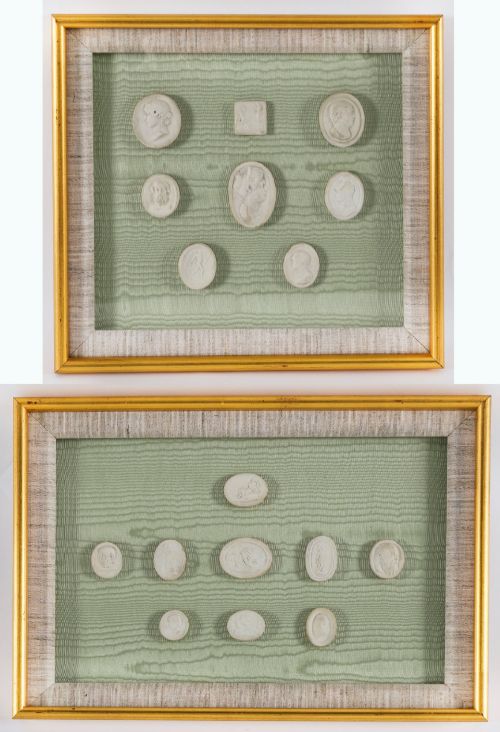
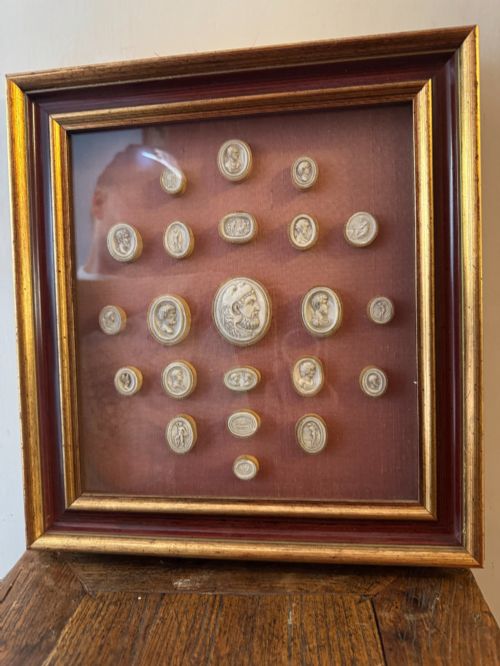
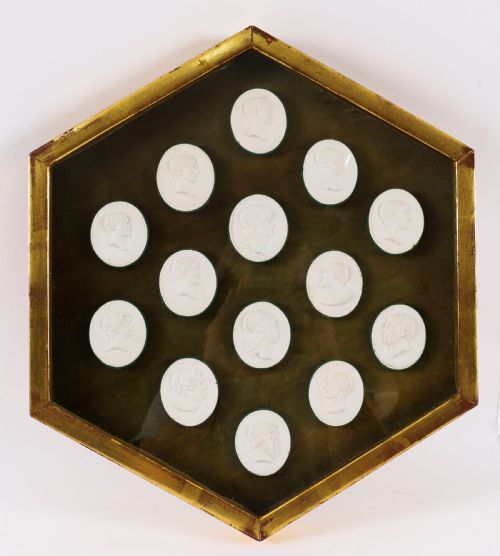
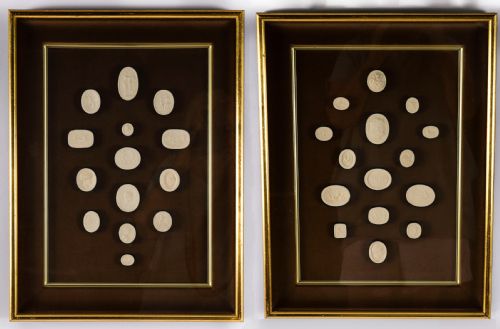
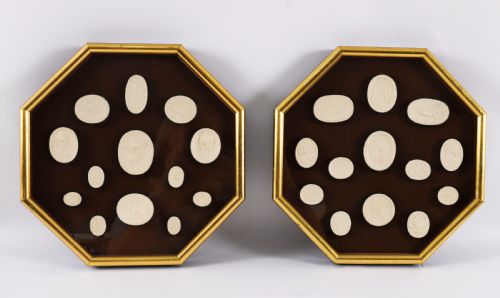
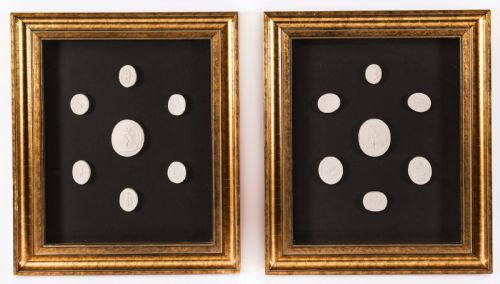
A plaster cast intaglio represents a miniature classical sculpture or carved gem, cast in fine gypsum to replicate ancient artefacts collected during the Grand Tour. Buyers seeking this phrase encounter framed wall art, decorative wall plaques, and collections arranged in geometric or octagonal frames.
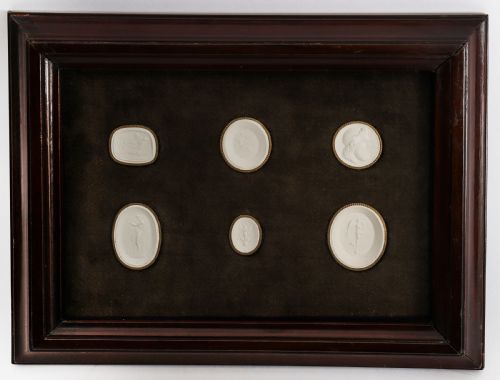
The objects stem predominantly from the nineteenth century, alongside examples dated around seventeen-fifty and the Edwardian era. They typically appear as sets or pairs mounted against velvet, fabric, or paper backgrounds within gilt wood and giltwood frames.
How they were made
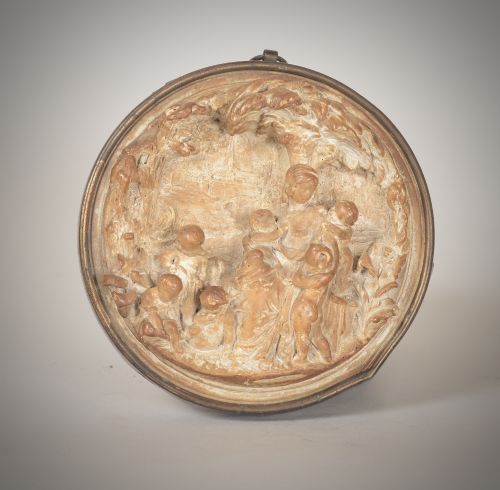
Plaster and gypsum form the primary relief medallions, cast from moulds taken of antique intaglios and cameos. These delicate white casts are set against contrasting velvet, paper, or fabric backings to highlight the crisp neoclassical relief.
The finished compositions are housed in timber frames, often finished in gilt wood or giltwood, and sometimes arranged in box frames or framed panels for wall display.
Plaster Cast Intaglio Retail Price Guide 2026
Typical asking prices for plaster cast intaglio among the pieces listed under this phrase on Sellingantiques today, from the lower quarter to the upper quarter. They describe what is for sale here now, not the wider market.
The listings feature nineteenth-century pieces alongside examples from seventeen-fifty and the Edwardian period, utilising plaster, glass, velvet, and gilt wood.
What varies in quality
Quality rests in the crispness of the plaster cast and the depth of the classical detail shown across the individual medallions. Sharper definition in the gypsum reflects a closer adherence to the original antique carved gems.
The presentation elevates the work through the harmony of the framing, the condition of the gilt wood, and the preservation of the velvet or fabric backing. Cohesive sets arranged by named makers command distinct appreciation for their curation.
Pietro Bracci·Giovanni Liberotti
The Plaster Cast Intaglio Glossary
- Intaglio
- A design carved into a material so that the impression sits below the surface, akin to a seal matrix. In this context, the plaster casts replicate the raised impressions or the recessed carvings themselves.
- Grand Tour
- A traditional trip through Europe undertaken by upper-class young European men in the eighteenth and nineteenth centuries to study classical art. Travellers collected plaster casts and intaglios as portable evidence of their classical education.
- Neoclassical
- A Western cultural movement drawing inspiration from the classical art and culture of ancient Greece and Rome. This style dictates the mythological and historical subject matter seen in the cast medallions.
- Gypsum
- A soft sulphate mineral used to create plaster of Paris for casting fine-detail medallions. It provides the smooth, bright white surface characteristic of these classical panels.
Plaster Cast Intaglio: Frequently Asked Questions
How were they displayed historically?
Travellers brought these plaster casts home and mounted them in custom wooden frames to showcase their classical knowledge to visitors. The medallions were pinned to velvet, fabric, or paper backgrounds.
Pairs, sets, and larger collections were arranged symmetrically on drawing room walls as scholarly decoration.
How do I date these pieces?
Dating relies on the style of the timber frames, the backing materials like aged paper or velvet, and the paper labels on the reverse. Nineteenth-century examples predominate, alongside earlier eighteenth-century iterations.
The crispness of the gypsum and the framing techniques offer further clues to their period of manufacture.
How do I care for framed intaglios?
Keep the framed pieces away from direct sunlight and damp environments to protect the fragile plaster casts and fabric backings. Dust the gilt wood frames gently with a dry, soft brush.
Glazed box frames shield the delicate gypsum medallions from physical contact and airborne dust.