


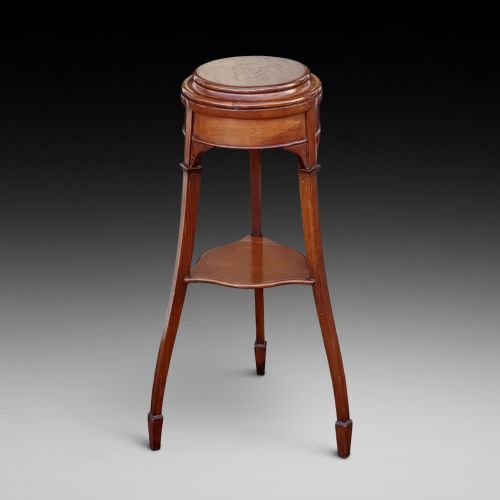
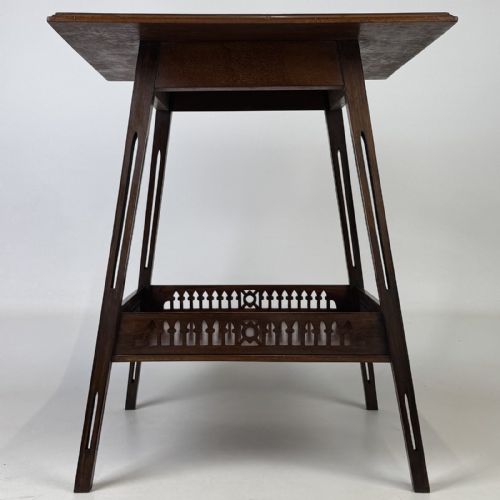

Plant Display Table
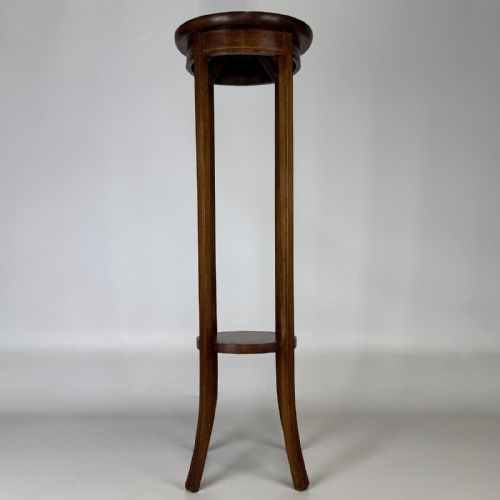
A plant display table raises your greenery to eye level, combining domestic utility with considered Victorian and Edwardian design.
Plant Display Table
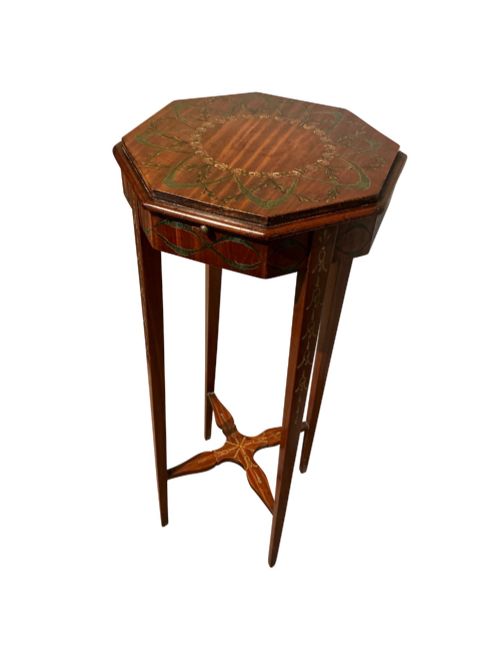
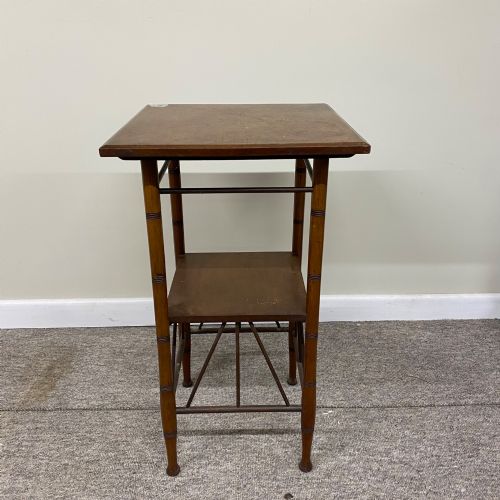
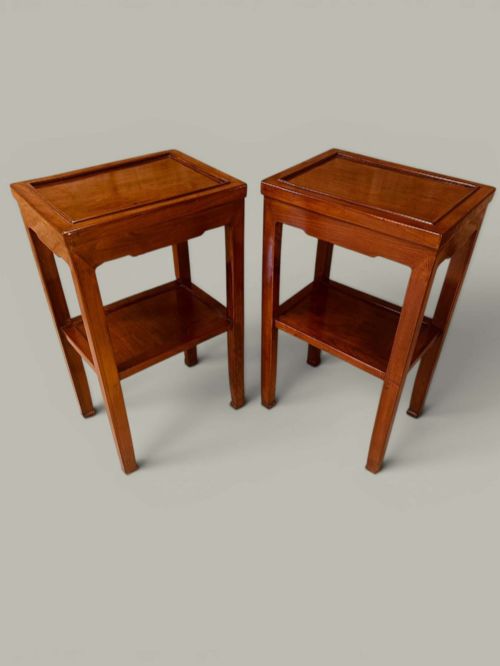
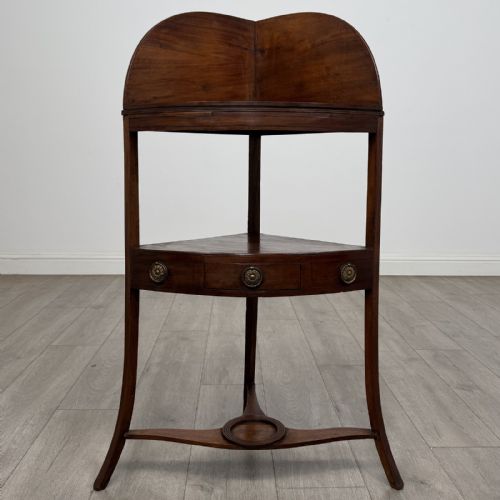
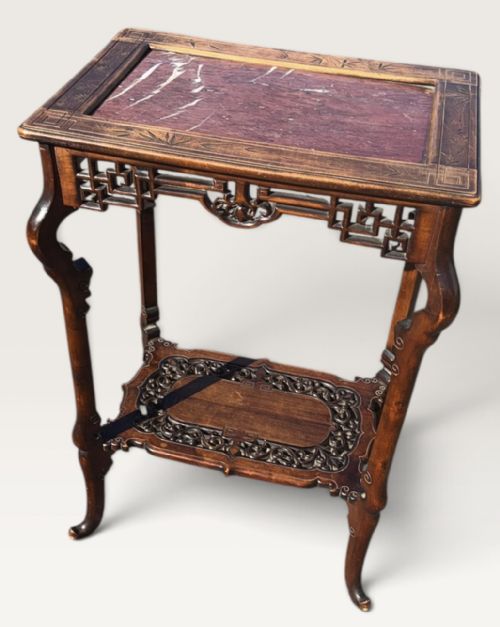
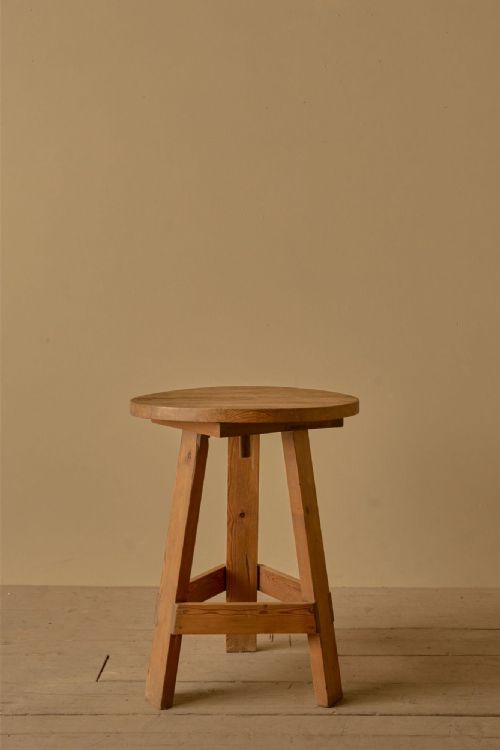
When you search for a plant display table, you encounter a range of elevated surfaces designed to hold pots, vases, and sculpture. The pieces on this page span the Victorian and Edwardian eras, alongside late nineteenth-century Chinese export items and Arts and Crafts oak designs.
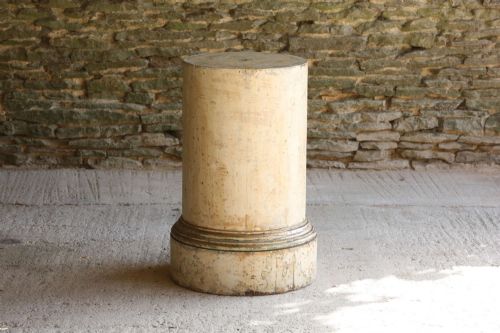
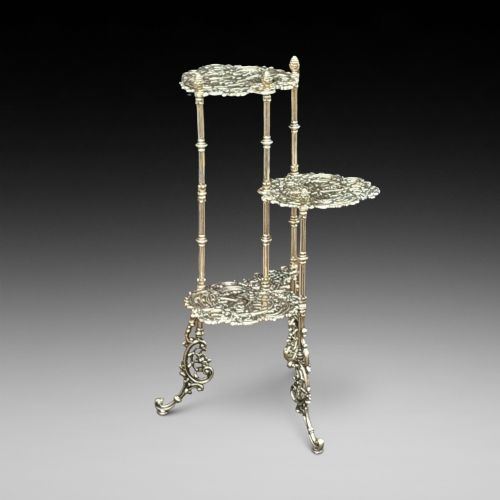
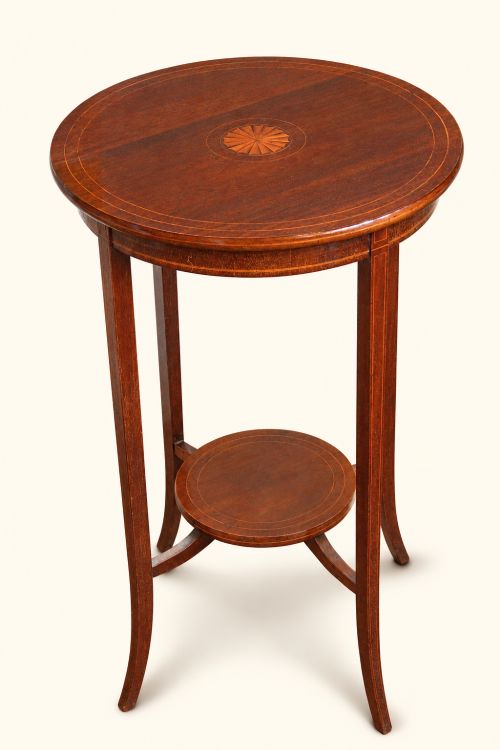
You are most likely to meet circular or square occasional tables, multi-tiered etageres, and dedicated pedestals with lower shelves. These forms originate from British parlours and continental workshops alike, often doubling as lamp tables or vase stands.
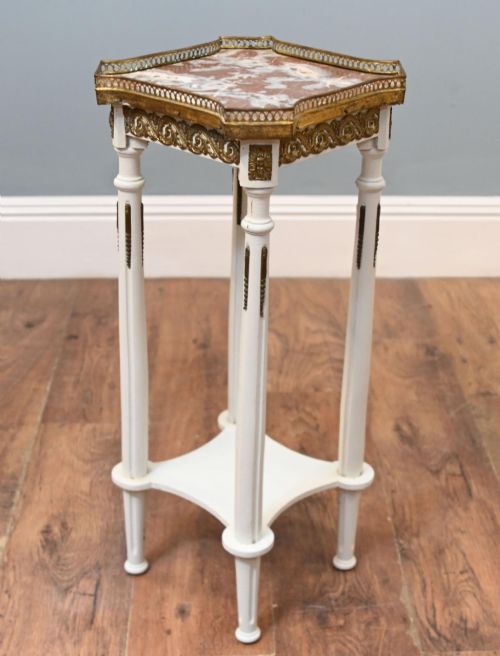
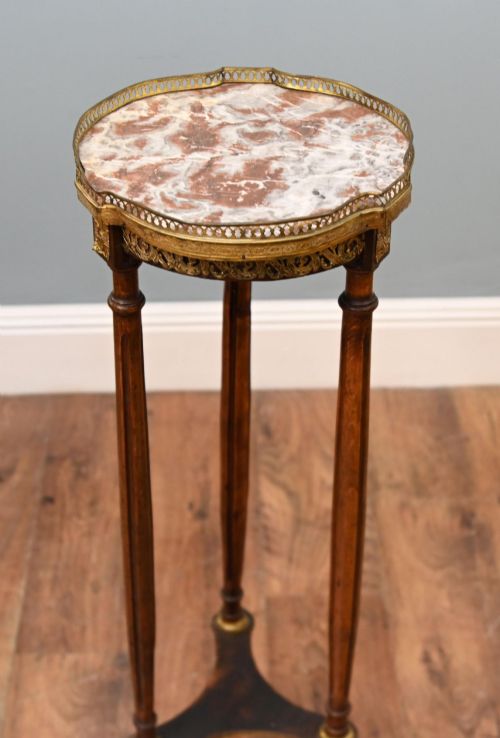
The selection includes specialised pieces such as marble-inset pot stands and bamboo plant holders. Each version reflects the period's domestic enthusiasm for displaying decorative foliage within the home.
Materials and construction techniques
Cabinetmakers utilised dense timbers like mahogany, walnut, and oak to construct stable shafts and legs that support heavy pots. Satinwood and pine appear alongside exotic hardwoods, occasionally detailed with brass fittings or bamboo frames.
Surface decoration relies on marquetry inlay, fretwork galleries, and hand-carved figural elements. Chinese export pieces incorporate mother-of-pearl inlay and inset marble tops to resist moisture from watering plants.
Turned legs, tiered shelves, and adjustable mechanisms provide structural variation across the inventory. Carpenters employed mortise and tenon joinery alongside applied mouldings to ensure these tall stands remained sturdy.
Plant Display Table Retail Price Guide 2026
Typical asking prices for plant display table among the pieces listed under this phrase on Sellingantiques today, from the lower quarter to the upper quarter. They describe what is for sale here now, not the wider market.
Listings feature items from the Victorian, Edwardian, and Arts & Crafts periods, utilising mahogany, oak, walnut, and marble.
Distinctions in construction and design
Quality rests in the selection of timber veneers and the crispness of hand-carved details on the legs and gallery rails. Superior examples display balanced proportions that prevent top-heaviness when a heavy ceramic pot sits on the surface.
The integration of secondary materials, such as finely fitted marble inserts or intricate mother-of-pearl work, separates standard production from exceptional pieces. Maker attribution through stamps or labels also elevates the standing of an individual table.
Trevor Page & Co·Gabriel Viardot·Shoolbred
The Plant Display Table Glossary
- Etagere
- A set of open shelves for displaying small objects or plants. These multi-tiered units became popular in nineteenth-century drawing rooms.
- Jardiniere stand
- A decorative piece specifically built to hold a flower container or plant pot. They frequently incorporate waterproof inserts or tiled tops.
- Marquetry
- The art of applying decorative pieces of veneer to a structure to form intricate patterns. Cabinetmakers used contrasting woods like satinwood and mahogany for this purpose.
- Fretwork
- Openwork ornamentation carved or pierced through wood. It often appears on the raised galleries surrounding table tops to keep items secure.
Plant Display Table: Frequently Asked Questions
What is a plant display table used for?
These tables elevate potted plants, urns, and sculptural busts to make them focal points within a room. They allow foliage to catch the light and protect flooring from moisture.
Historically, they filled empty corners or flanked doorways in Victorian and Edwardian reception rooms. Today, they serve the same function while displaying contemporary houseplants.
How do I identify an Edwardian plant stand?
Edwardian stands typically feature lighter woods like mahogany and satinwood, often decorated with subtle stringing or inlaid motifs. They favor slender legs and practical lower shelves.
Construction from this period between 1901 and 1910 emphasises domestic comfort and refined elegance. Fretwork galleries and tapered supports are common indicators of this era.
Where should I place a marble top table?
A marble top table works well near windows or in conservatories where natural light highlights the stone's grain. The smooth surface resists water stains from plant pots.
Ensure the table rests on a level floor to maintain stability. Avoid placing heavy ceramic urns on unsupported edges of older marble inserts.
What distinguishes Arts and Crafts stands?
Arts and Crafts pieces emphasise solid oak construction, visible joinery, and honest craftsmanship over applied surface ornamentation. Hexagonal tops and two-tier shelving designs frequently appear in this group.
These tables date around the turn of the twentieth century and reflect a movement away from industrial mass production. Their sturdy builds suit heavier decorative pottery.