


Pink Porcelain Teacup
A pink porcelain teacup brings the delicate craft of the Georgian, Regency, and nineteenth-century table right into your hands.
Pink Porcelain Teacup
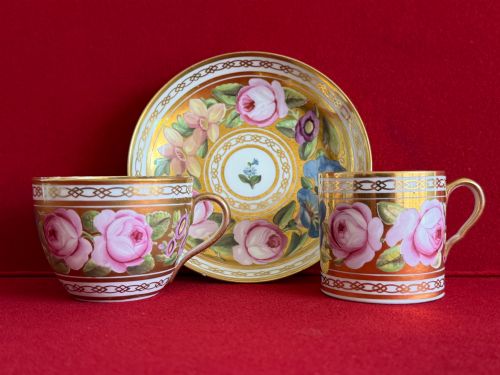
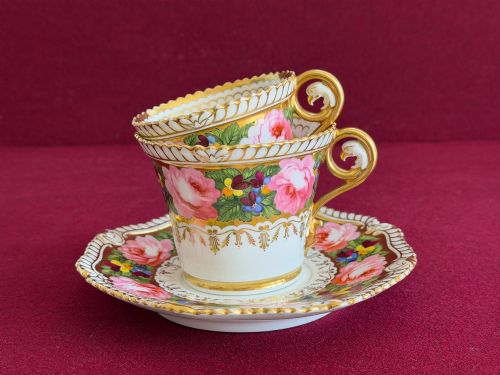
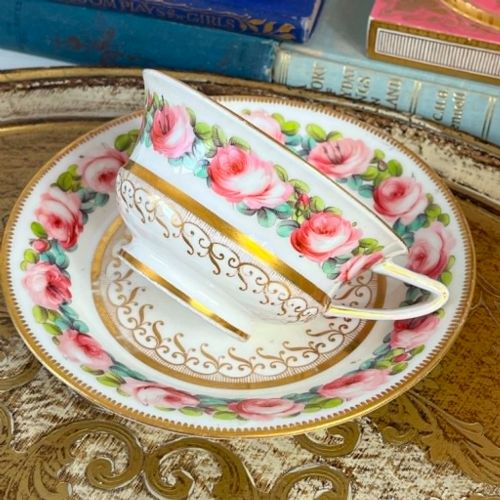
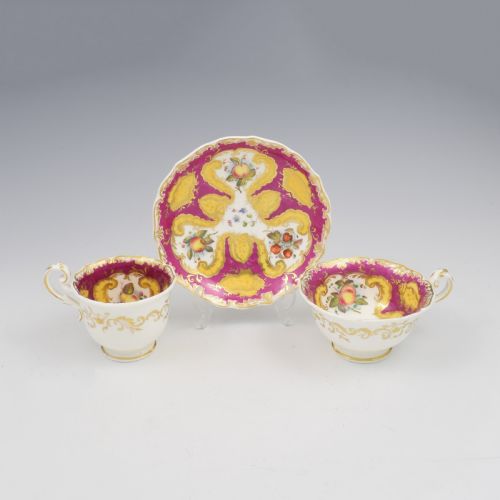
When you search for a pink porcelain teacup, you encounter delicate drinking vessels and saucers spanning from the eighteenth century through to the early twentieth century. The selection ranges from solo teacups to complete trios and covered trembleuse cups designed for specialist use.
Most examples you meet on this page originate from English factories such as Coalport, Spode, Davenport, and Chamberlain Worcester, alongside select continental pieces from Paris and Russia. These forms include cabinet cups, demitasse, and tea bowls paired with matching saucers.
Makers shaped these wares during periods including the Regency, Georgian era, and the nineteenth century, utilising styles that stretch from French Neoclassical to Russian Revival and Qing Dynasty influences. The physical evidence shows pink ground colours paired with handpainted florals, gilt highlights, and intricate figural scenes.
How they were made
Potters formed these items using hard-paste and soft-paste porcelain, along with bone china and ceramic bodies, fired in kilns to achieve a dense, vitrified structure. Artisans then applied enamel colours by hand, often featuring detailed pink cabbage roses or exotic fruit patterns.
Gilding played a major role in the decoration, with gold leaf and gold gilt brushed onto handles, rims, and borders to accent the pink ground colours. Cabinet pieces and covered cups frequently incorporated specialised stands and lids tailored to the exact profile of the vessel.
Circus acrobats once balanced on saucers while teacups stood nearby, captured forever on eighteenth-century Mandarin palette porcelain.
What varies in quality
The standard of painting marks the division between ordinary production and top-tier cabinet pieces, particularly in the rendering of handpainted botanical details like cabbage roses. Crisp enamel work and careful brush control separate fine factory output from more standard domestic wares.
The application and preservation of gold leaf or gilding indicate the original cost and ambition of the piece. Intricate gilding that remains bright and crisp elevates the physical presence of a cup and saucer duo.
Chamberlain Worcester·Davenport·Coalport·Manufacture de la Reine·Kusnetzoff·Spode·Royal Worcester·Ridgeway
The Pink Porcelain Teacup Glossary
- Trembleuse cup
- A specialised drinking vessel featuring a well or raised ring in the saucer to hold the cup firmly in place. This design prevented spills among nobility who took tea or chocolate while seated on couches.
- Demitasse
- A small cup used for serving strong black coffee or espresso. These pieces frequently appear in twentieth-century production alongside standard tea formats.
- Cabinet cup
- A decorative display item produced primarily for viewing in a cabinet rather than for daily domestic use. These objects often display finer painting and more elaborate gilding than standard tea wares.
- Trio
- A matched set consisting of a teacup, a coffee cup, and a saucer. This combination allowed drinkers to switch between different hot beverages during formal hospitality.
- Bone china
- A type of porcelain incorporating bone ash into the paste, creating a strong, translucent body. English factories utilised this material widely during the Regency and nineteenth-century periods.
Pink Porcelain Teacup: Frequently Asked Questions
How do I identify a Georgian pink porcelain teacup?
Georgian examples typically date from the late eighteenth century to the eighteen-twenties, showing handpainted details like pink cabbage roses or Mandarin palette scenes. They often feature soft-paste or early bone china bodies with delicate handle forms.
The style of painting and the absence of printed transfer marks help distinguish these earlier pieces from later nineteenth-century production. Examining the foot ring and the weight of the porcelain provides further clues to the period.
How should I care for an antique porcelain teacup?
Antique porcelain and gold leaf require gentle handling and must be washed by hand in warm water with mild soap. Avoid soaking pieces for long periods, especially those with enamel decoration or applied gilding that can degrade over time.
Store them securely in a stable environment away from direct sunlight and sudden temperature changes to preserve the fragile ceramic body and surface colours.
Did nineteenth-century makers use bone china for pink teacups?
English factories frequently utilised bone china alongside traditional porcelain throughout the nineteenth century. This ceramic body allowed makers to achieve thin, translucent walls while maintaining structural strength for painted pink grounds and gilt borders.
The inclusion of bone ash changed the firing properties and gave the pieces a brighter white ground underneath the enamel decoration.