



Pink Lustreware Pottery
Pink lustreware pottery brings vibrant metallic sheens and transfer-printed maritime or poetic scenes straight to your cabinet from the Georgian and Victorian eras.
Pink Lustreware Pottery
When you search for pink lustreware pottery, you encounter earthenware and pearlware jugs, bowls, and teacups decorated with distinct metallic glazes. These pieces predominantly originate from the Georgian and Victorian periods, showcasing significant technical ambition from potteries of the time.
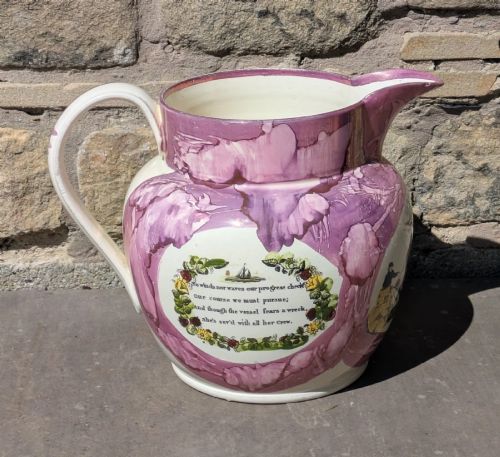
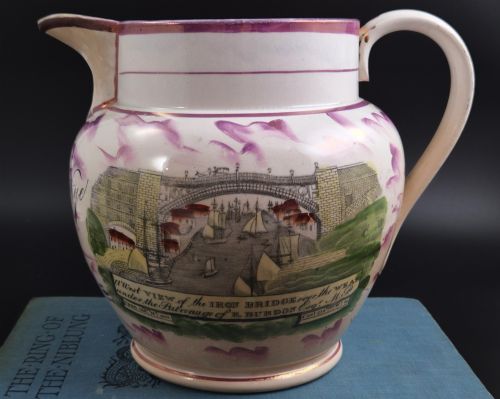
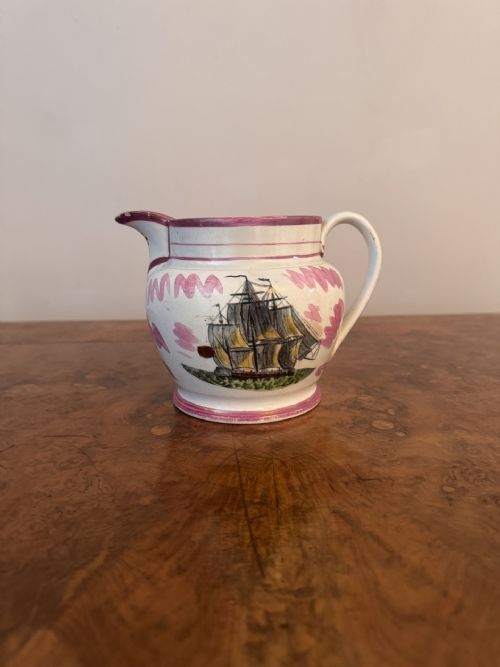
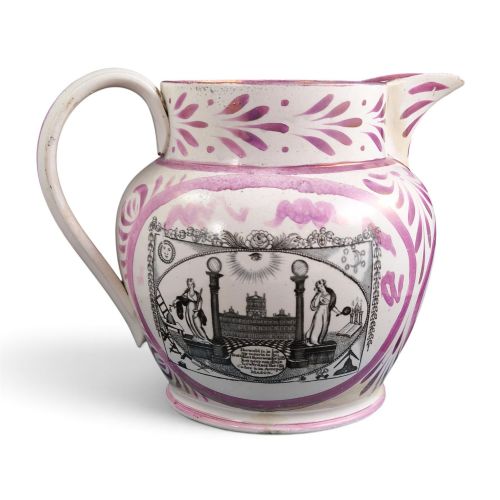
The version you are most likely to meet on this page is the Sunderland jug, frequently featuring transfer-printed scenes such as the Iron Bridge over the Wear, tall ships, or Masonic emblems. These ceramic pieces capture the maritime and social interests of nineteenth-century Britain.
Forms extend beyond large jugs to include decorative bowls and teacups and saucers, sometimes marked by splash lustre or coloured enamels. Their enduring appeal lies in the curious metallic sheen achieved through the application of gold or platinum oxides during firing.
How they were made
Potters shaped these objects using earthenware or pearlware bodies, providing a stable white or buff ceramic base for subsequent decoration. Transfer printing was then applied to lay down detailed outlines of ships, verses, or armorial bearings before the application of colour.
The signature pink finish relies upon metallic glaze and metallic oxide, often manipulated to create a mottled or splash lustre effect during the firing process. Enamel colours were frequently hand-painted over the transfer print to brighten specific details like flags, dresses, and floral motifs.
Pink Lustreware Pottery Retail Price Guide 2026
Typical asking prices for pink lustreware pottery among the pieces listed under this phrase on Sellingantiques today, from the lower quarter to the upper quarter. They describe what is for sale here now, not the wider market.
Listings here feature earthenware and pearlware bodies decorated with metallic and lustre glazes across the Georgian and Victorian periods.
What varies in quality
Quality rests significantly on the clarity of the transfer printing and the richness of the metallic lustre glaze. Pieces displaying crisp maritime details or named subjects generally represent a higher grade of manufacture than plain or heavily blurred examples.
The complexity of the form and the inclusion of hand-painted enamel highlights alongside the pink lustre separate standard production items from more ambitious presentation pieces. Scale also matters, with large jugs and bowls demanding greater skill from the potter to prevent distortion in the kiln.
Wedgwood
The Pink Lustreware Pottery Glossary
- Pearlware
- A refined earthenware developed in the late eighteenth century, featuring a subtle bluish glaze that pooled in recesses to mimic Chinese porcelain. It served as the preferred body for many early lustre jugs.
- Lustre Glaze
- A metallic film applied to ceramics to produce an iridescent, reflective surface resembling gold, silver, or copper. In pink pieces, this effect derived from gold or platinum compounds.
- Splash Lustre
- A technique where droplets of metallic oxide were flicked onto the damp glaze before firing, creating a mottled or speckled pattern across the ceramic surface.
- Transfer Printing
- A method of decorating ceramics by engraving a design onto a copper plate, pulling it on tissue paper, and pressing it onto the biscuit or glazed pot. This allowed intricate maritime scenes and poems to be replicated quickly.
Pink Lustreware Pottery: Frequently Asked Questions
What is pink lustre pottery?
Pink lustre pottery is a type of ceramic decorated with a metallic glaze that produces a shimmering pink or purple surface effect. These pieces often incorporate transfer-printed transfer designs featuring ships, poems, or Masonic symbols.
Most examples date from the Georgian and Victorian eras, originating primarily from potteries in Sunderland and the broader Staffordshire region.
How were lustre jugs used?
Many of these jugs served practical purposes in homes and taverns for pouring liquids like ale or water. Larger vessels were often made for display or as presentation pieces commemorating specific events.
Gifted to sailors, tradesmen, or newly married couples, they frequently featured moral verses, naval themes, or names of specific individuals.
How do I date a piece?
Dating relies on examining the ceramic body, glaze characteristics, and the style of the transfer printing. Earlier pieces from around 1800 often use pearlware bodies with a faint blue tint in the glaze.
Later Victorian items tend toward standard earthenware bodies with brighter pink splash lustre effects. Inscribed dates or named landmarks like the Iron Bridge provide direct chronological markers.
How do I care for lustreware?
These antique ceramics require gentle handling and should be washed by hand in lukewarm water using mild soap. Dishwashers can damage the delicate metallic glaze and any hand-painted enamel highlights.
Keep pieces away from direct sunlight and sudden temperature changes to protect the fragile earthenware bodies and historic glazes.