


Pink Glass Light Fixture
A pink glass light fixture brings a warm glow to a room, ranging from Art Deco bowls to elaborate chandeliers.
Pink Glass Light Fixture
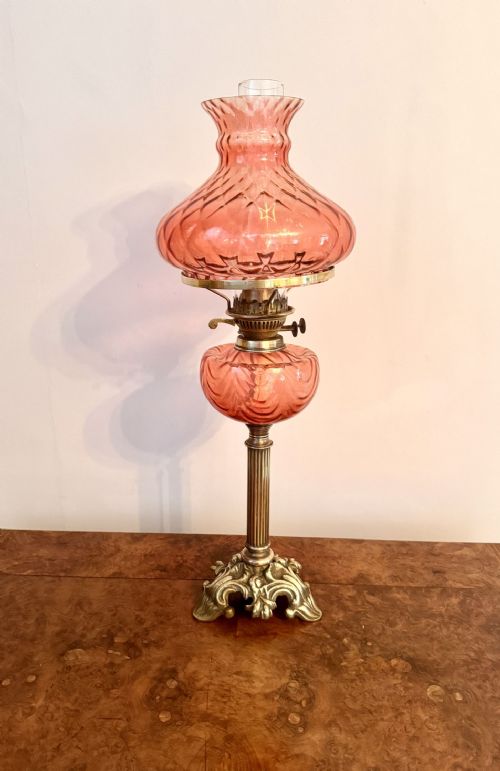
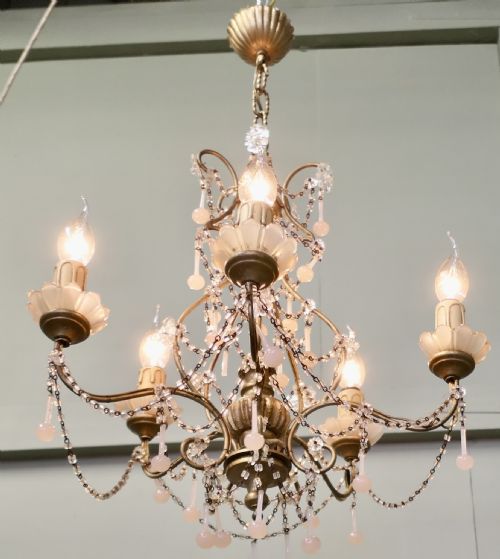
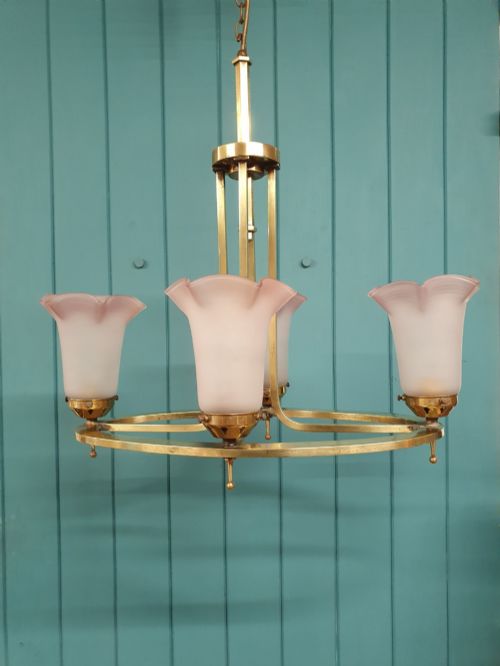
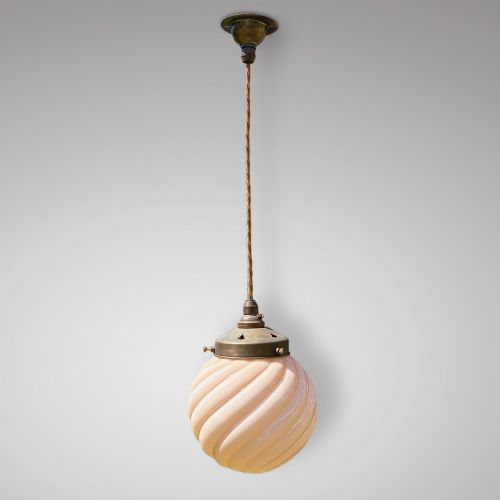
A pink glass light fixture spans various forms including ceiling lights, pendant lights, and grand chandeliers designed to illuminate domestic spaces. Buyers searching this phrase encounter examples from the nineteenth century through the 1930s, reflecting shifts in interior decoration over several decades.
Origin points visible in the records point towards French and Italian workshops, alongside domestic British production from the Edwardian era and the interwar years. These fixtures provide both direct illumination and decorative colour through tinted, opaline, or cranberry glass.
How they were made
Construction relies heavily on combinations of brass, gilt metal, and chrome to form the structural frames that support the glass elements. These metal components are paired with fabric flex on wired examples and cast brass fittings to secure shades and crystals.
The glass elements themselves utilise pink glass, frosted glass, opaline glass, and coloured crystal, sometimes shaped into specific forms like clam shells or crimped shades. Venetian and Italian pieces incorporate coloured crystal alongside moulded components, while earlier nineteenth-century examples lean towards specialised shade blowing.
A solitary clam shell clings to the ceiling in pink glass, proving the sea managed to invade 1920s interior design.
What varies in quality
Quality differences emerge in the complexity of the metalwork, particularly where chased brass or gilt metal frames provide structural integrity for multi-branch chandeliers. Simpler ceiling fittings contrast with elaborate twelve-light configurations and standard lamps featuring adjustable brass mechanics.
The treatment of the glass itself dictates the visual distinction of each piece, moving from standard pink glass to specialised opaline, cranberry glass, or moulded clam shell shades. Intricacy in the crystal work and the integration of the metal armature with the glass components separate standard utility lighting from decorative showpieces.
The Pink Glass Light Fixture Glossary
- Opaline glass
- A semi-translucent glass that diffuses light softly, frequently utilised in twentieth-century pendant lighting and shades. It appears in several listings from the 1920s.
- Cranberry glass
- A rich pink or red glass created by adding gold to the molten batch, seen on Victorian and Art Nouveau ceiling fittings. This material produces a distinct deep hue when illuminated.
- Clam shell
- A moulded glass shade form resembling a marine shell, popular during the Art Deco period. These shades diffuse illumination across wide angles while adding sculptural texture.
- Maria Theresa
- A traditional chandelier style featuring flat metal arms covered in glass strips and adorned with coloured crystals. Examples from the 1920s showcase this ornate Italian construction.
- Standard lamp
- A freestanding floor lamp designed to illuminate a room from a raised height, typically featuring an adjustable brass shaft in Edwardian examples.
Pink Glass Light Fixture: Frequently Asked Questions
What periods do these lights come from?
The available lighting spans from the nineteenth century through the Edwardian era and into the 1930s. The majority date from the interwar period, notably the 1920s and 1930s.
Art Deco and Art Nouveau styles dominate the twentieth-century offerings, while earlier pieces reflect Victorian and Edwardian domestic tastes.
What is cranberry glass?
Cranberry glass is a translucent pink material produced by introducing gold salts into the glass mix during manufacture. It creates a vibrant, warm tone when light passes through the shade.
This technique is frequently found on nineteenth-century and early twentieth-century ceiling fittings.
Are these fixtures suitable for modern wiring?
Many period light fixtures retain historic or updated wiring including fabric flex, but all vintage lighting should be inspected and tested by a qualified electrician before installation.
Brass and gilt metal frames support standard lamp holders suited to contemporary domestic electrical standards.