




Pink Floral Lamp
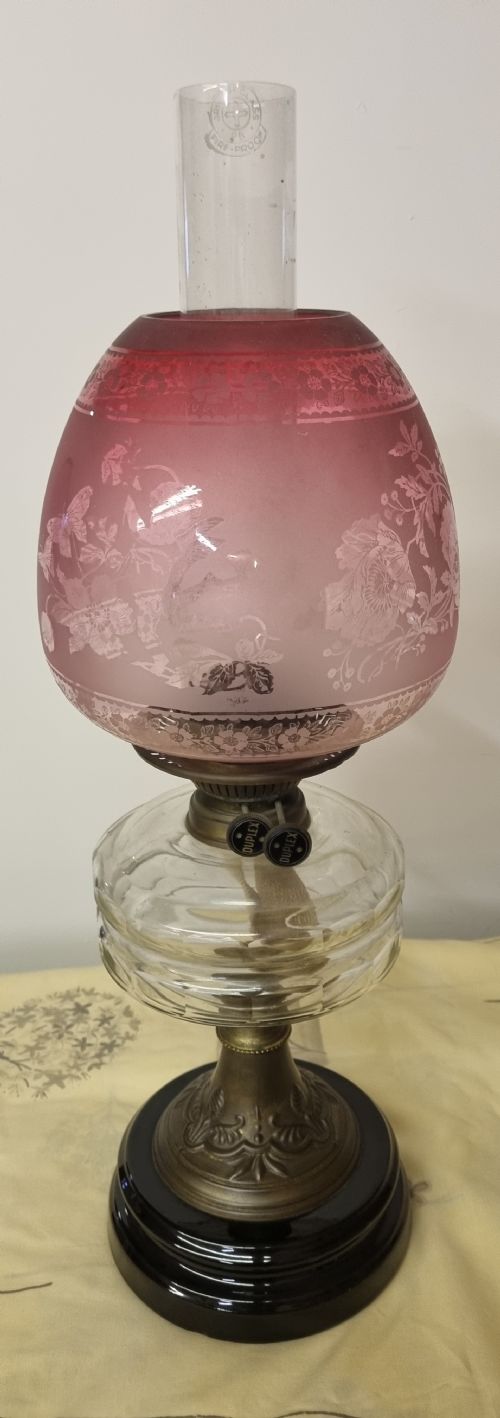
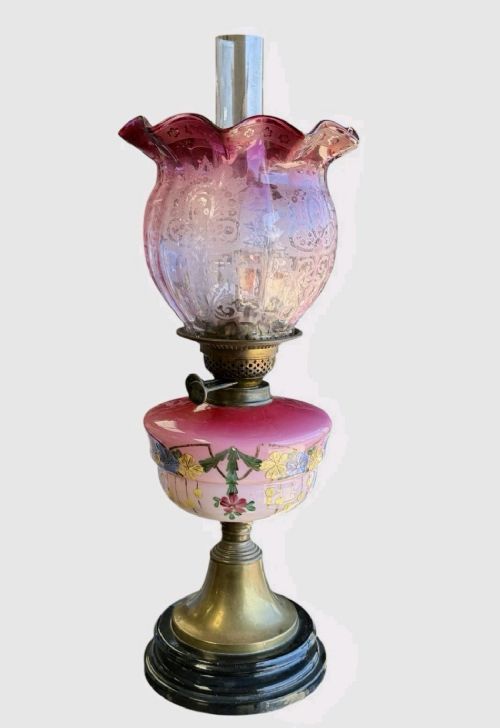
A pink floral lamp brings soft, painted colour to a room through Victorian oil burners, glass shades and converted Chinese ceramics.
Pink Floral Lamp
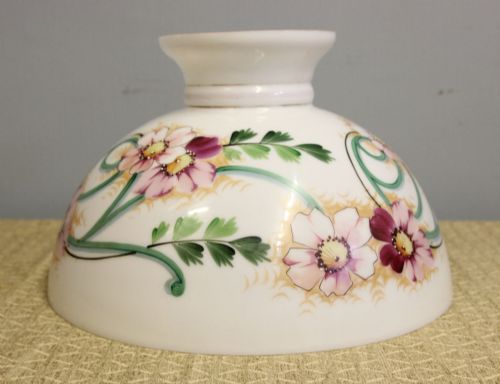
A pink floral lamp encompasses lighting from the Victorian period onwards, featuring hand-painted botanical motifs upon glass, porcelain and ceramic bodies. The search phrase covers both complete standing oil lamps and individual replacement shades designed for period fittings.
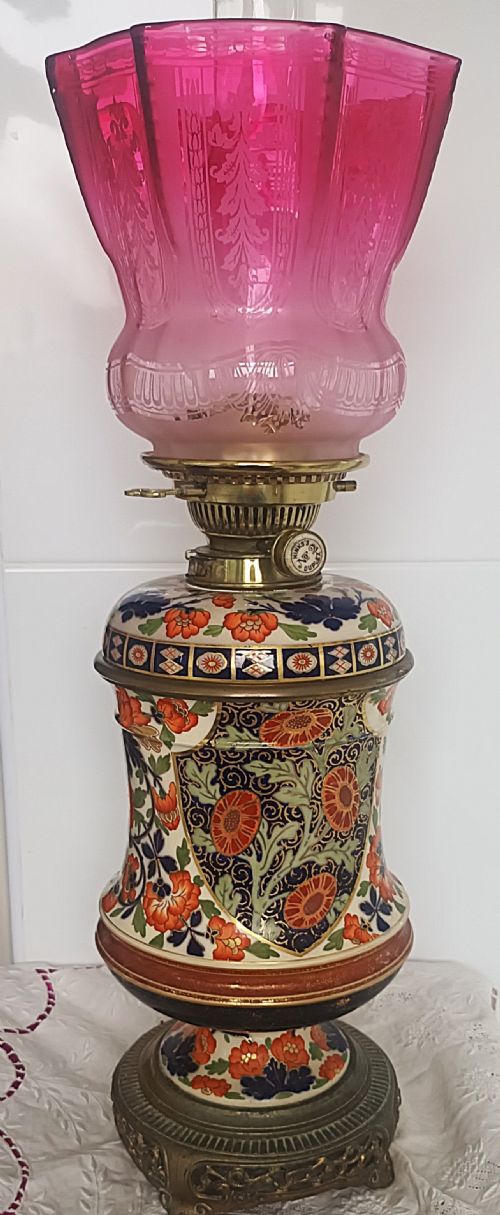
Most examples found here date from the nineteenth century into the early twentieth century, spanning Victorian oil lamps, Art Nouveau table lights and Chinese famille rose vase conversions. These pieces rely on floral decoration rendered in enamel or pigment to create a domestic focal point.
How they were made
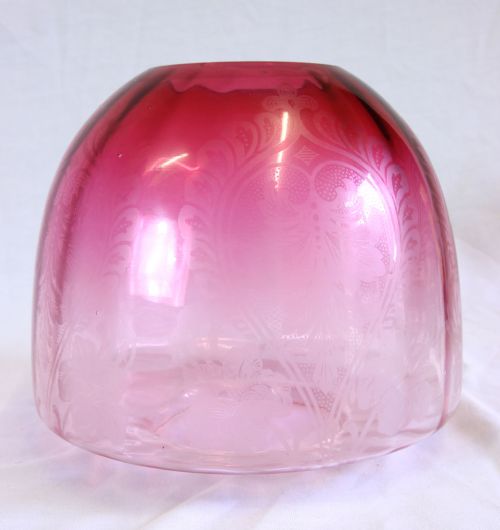
Makers shaped these lamps from brass, glass, porcelain and ceramic, frequently combining materials within a single piece such as a brass burner mounted on a ceramic font. Cranberry glass and opaline glass provided vibrant ground colours for subsequent hand-painted decoration.
Artisans applied enamel and gilt details by hand directly onto the ceramic or glass surfaces before firing, whilst metal components involved casting and turning brass.
Pink Floral Lamp Retail Price Guide 2026
Typical asking prices for pink floral lamp among the pieces listed under this phrase on Sellingantiques today, from the lower quarter to the upper quarter. They describe what is for sale here now, not the wider market.
Victorian households relied on these glowing pink oil lamps to soften the harsh reality of early evening shadow.
What varies in quality
Quality rests principally in the execution of the hand-painted floral decoration and the crispness of any cast metal mounts or brass burners. Finer examples display delicate brushwork and rich, well-fired enamel colours that remain bright across the ceramic or glass body.
The integrity of the glass elements, from opaline shades to cranberry fonts, dictates the standing of a piece. Original matching components across the font, shade and base carry greater weight than assembled marriages of later parts.
Hinks·Taylor Tunnicliff
The Pink Floral Lamp Glossary
- Cranberry glass
- A rich red-pink glass created by adding gold chloride to the molten batch during production. This material frequently forms the body of Victorian oil lamp shades and fonts.
- Opaline glass
- An opaque, pale glass that takes on a milky appearance and serves as a smooth background for painted floral decoration.
- Famille rose
- A Chinese ceramic palette dominated by opaque pink enamel introduced during the Qing Dynasty. Pieces utilising this palette often find a second life as converted table lamps.
- Font
- The oil reservoir section of a lamp, positioned beneath the burner and above the main base support.
- Faience
- Tin-glazed earthenware decorated with coloured enamels, seen in continental European Art Nouveau lighting.
Pink Floral Lamp: Frequently Asked Questions
How do I wire an old lamp?
Conversion to modern electric wiring typically involves running a discreet cord through the existing central channel without damaging the historical brass or ceramic body.
Professional rewiring ensures the piece meets current safety standards whilst preserving the original burner and collar components.
Are these glass shades fragile?
Period glass shades require careful handling during cleaning and placement, as cranberry and opaline glass possess standard nineteenth-century fragility.
Support the shade firmly from the base when removing it from the lamp collar to prevent chipping the fitter rim.
Can I still burn oil in them?
Many Victorian oil lamps retain their original brass burner mechanisms and could theoretically function with clean lamp oil.
Most buyers choose to retain the oil mechanism for decorative authenticity while converting the lamp for electric use.
How do I date a lamp?
Dating relies on examining the materials, burner manufacturer stamps, and the stylistic traits of the ceramic body or hand-painted floral motifs.
Victorian and Edwardian pieces show specific casting techniques and glass colours that separate them from twentieth-century reproductions.