

Pink Cranberry Glass
Pink cranberry glass pieces are vibrant table items and lamps that bring a rich translucent warmth to a room.
Pink Cranberry Glass
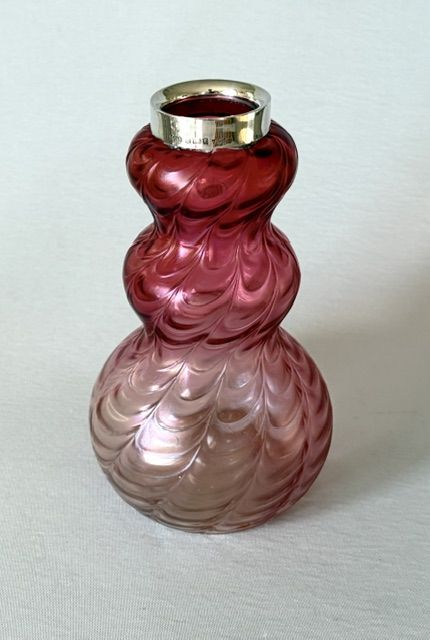
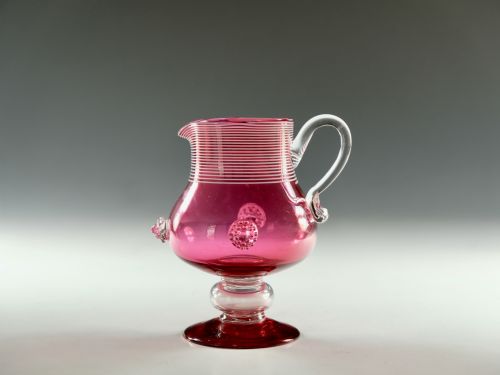
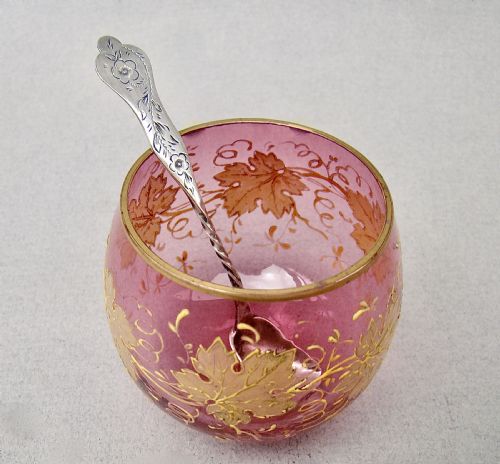
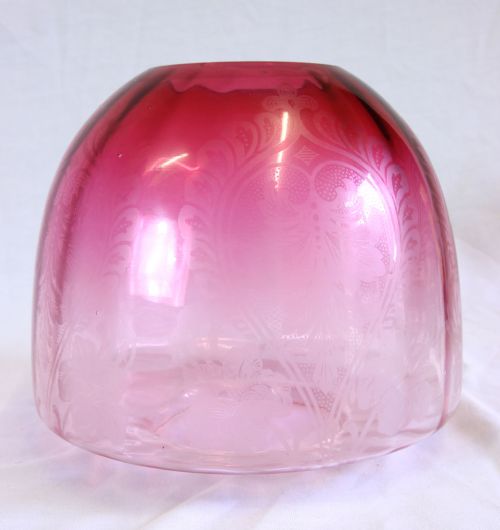
Pink cranberry glass encompasses decorative and functional household items produced primarily during the Victorian and Edwardian periods, stretching from the mid nineteenth century into the early twentieth century. When searching for pink cranberry glass, collectors encounter an array of domestic objects ranging from wine glasses and jugs to scent bottles and table lamps.
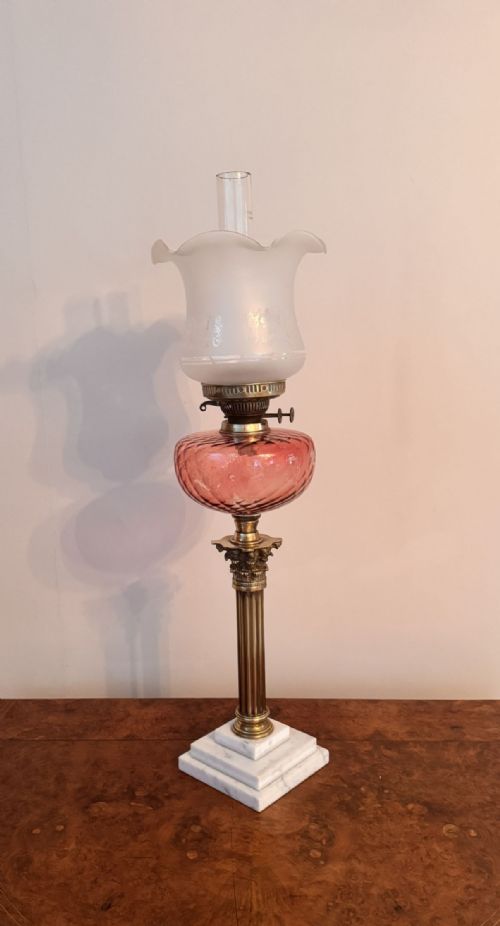
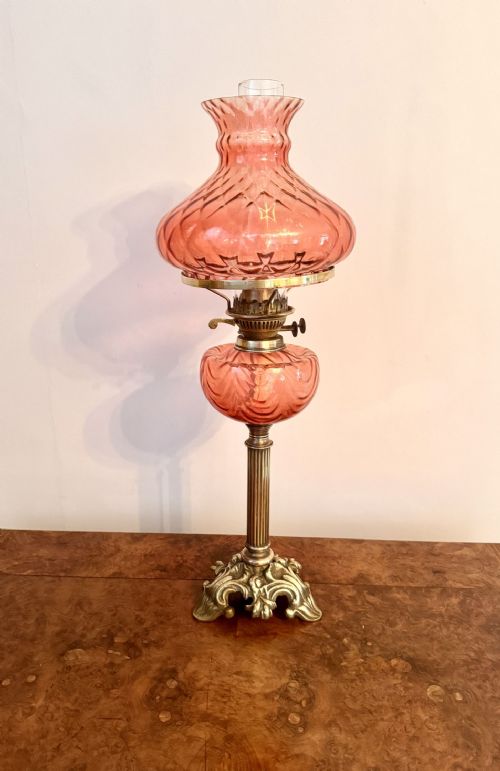
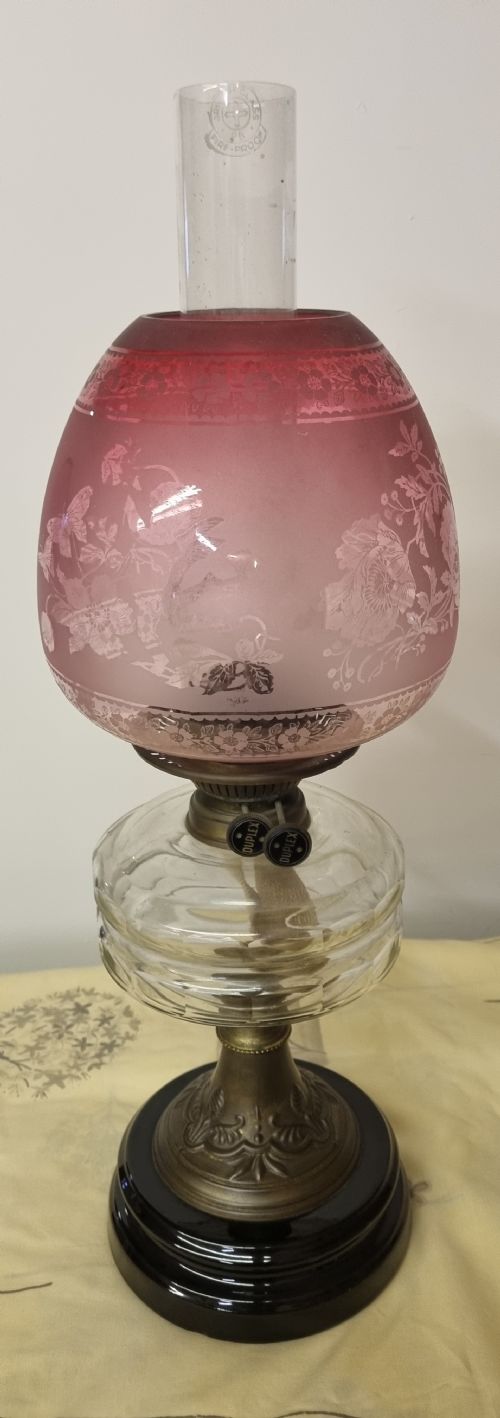
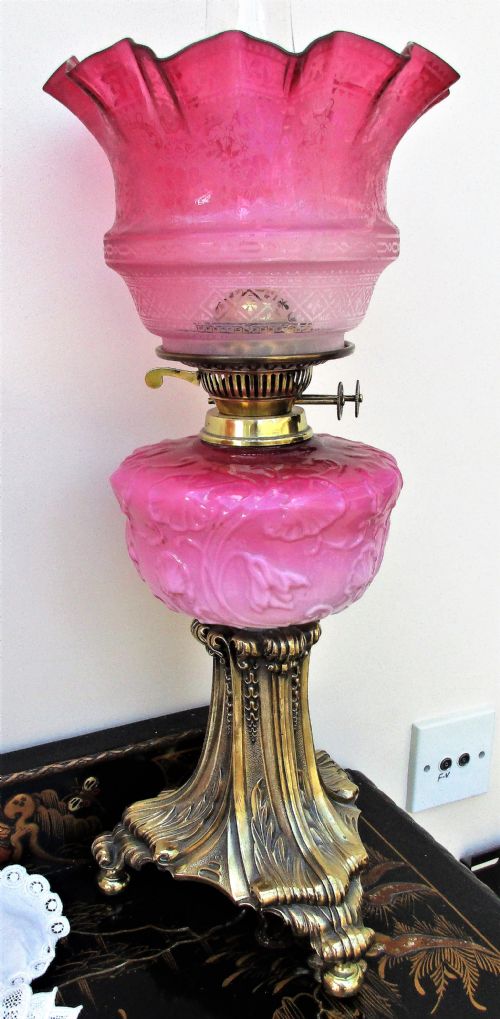
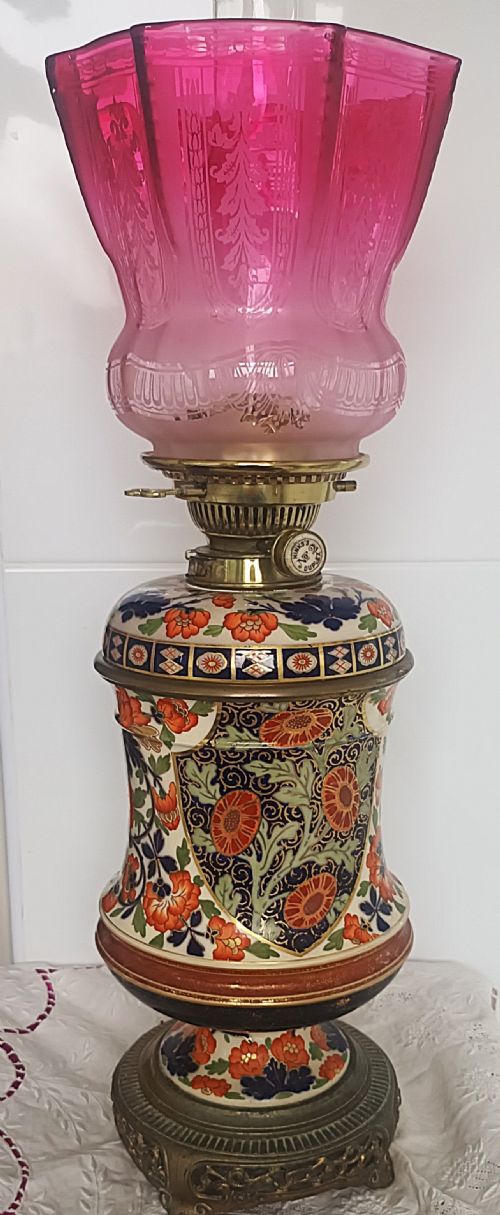
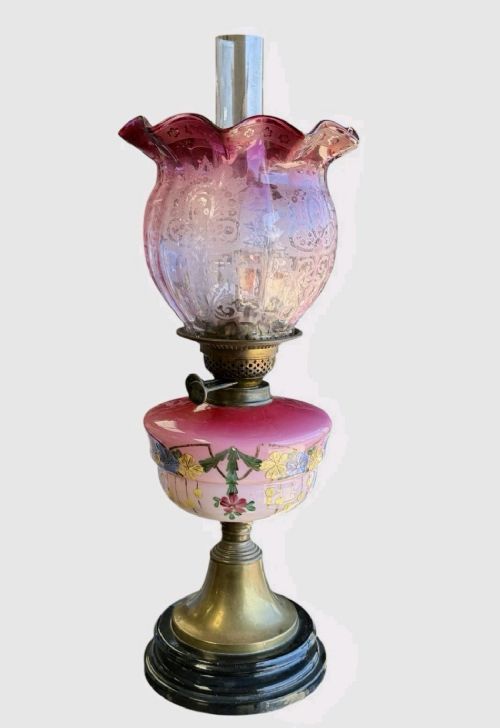
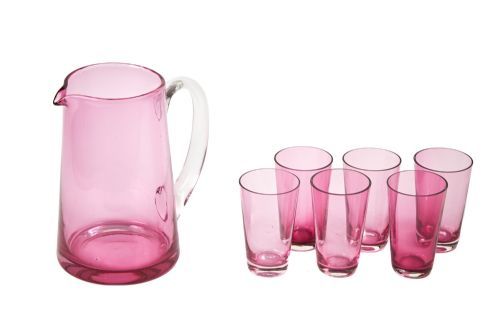
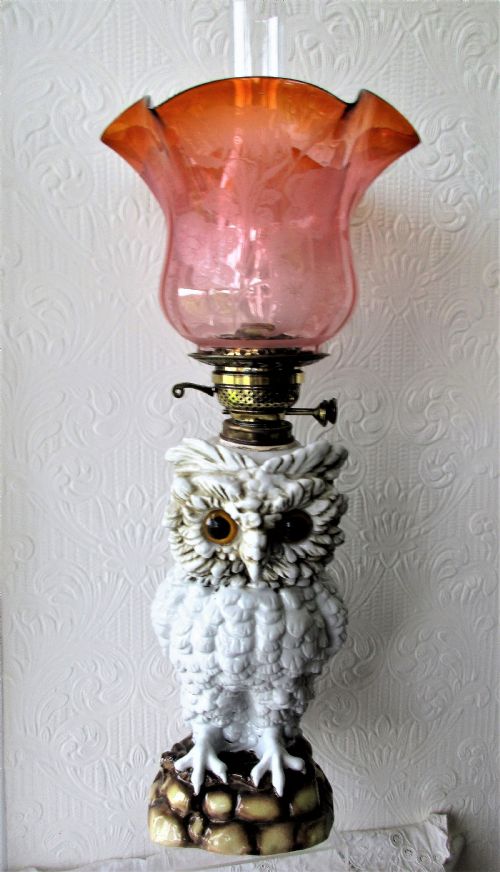
The most common forms on this page are oil lamps complete with matching shades, alongside tableware such as jugs, bowls, and sets of wine glasses. These pieces span Victorian, Edwardian, and Art Nouveau styles, often combining the signature pink glass with brass, silver plate, or sterling silver mounts.
Materials and production methods
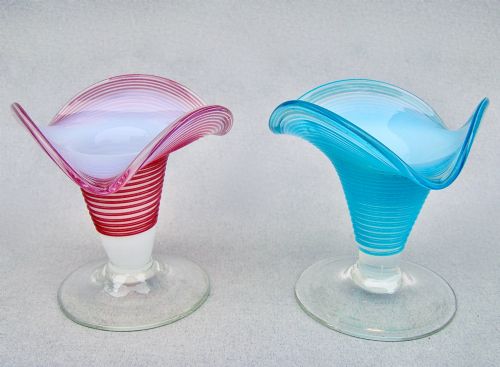
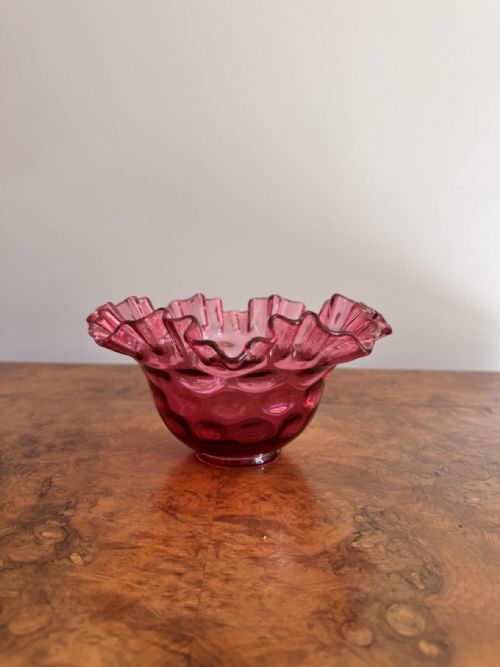
Makers achieved the distinctive pink coloration of cranberry glass by adding gold chloride to the molten glass batch during production. This mixture was then blown, sometimes into moulds, or shaped by hand into items like ruffled bowls and jack in the pulpit vases.
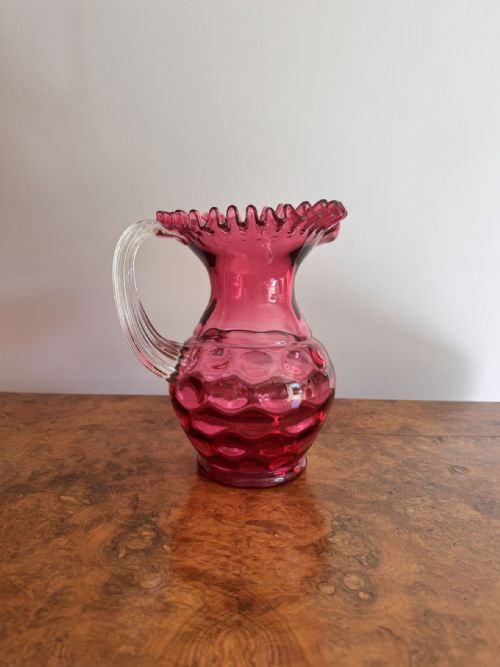
Many of these glass items were finished with applied clear glass handles, hand painted enamel details, or fitted mounts made from brass and silver plate. Complex forms such as oil lamps incorporated ceramic components, marble bases, and brass columns alongside the blown glass shades and fonts.
Pink Cranberry Glass Retail Price Guide 2026
Typical asking prices for pink cranberry glass among the pieces listed under this phrase on Sellingantiques today, from the lower quarter to the upper quarter. They describe what is for sale here now, not the wider market.
Assessing quality in pink cranberry glass
The distinction between standard domestic items and superior examples lies in the depth of the glass colour and the precision of the manufacturing technique. Richer, more even pink tones indicate a generous proportion of gold in the glass batch, while heavier metal mounts and intricate hand painted decoration signal higher workshop standards.
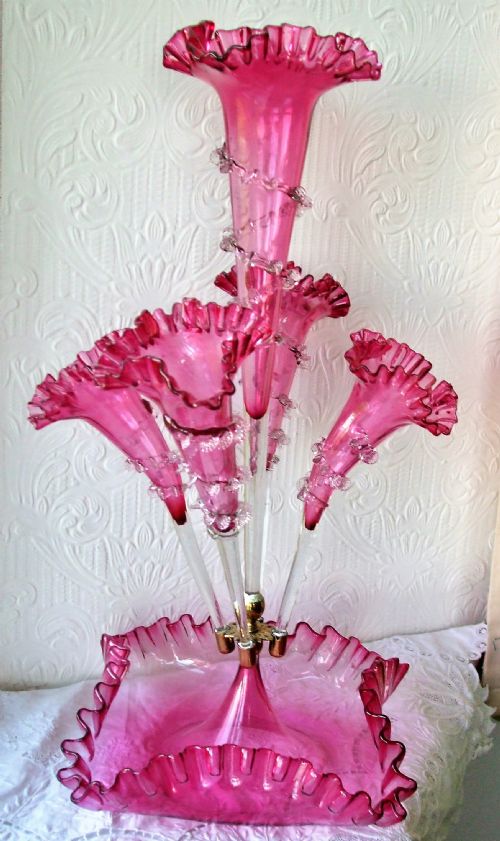
Design complexity also separates the tiers of production, seen in pieces that combine blown pink glass with custom silver work, cameo carving, or multi component structures like epergnes and liquor stands.
Baccarat·Moser·Thomas Webb and Sons
The Pink Cranberry Glass Glossary
- Cranberry Glass
- A type of transparent glass coloured with gold oxide, producing hues from pale pink to deep red. It gained immense popularity during the Victorian era for tableware and decorative items.
- Epergne
- A centrepiece stand featuring multiple branching arms holding baskets, dishes, or vases. In this material, they provide a dramatic display of pink glass trumpets.
- Font
- The oil reservoir of a lamp, which in these pieces is frequently made from coloured glass positioned above a brass or ceramic column.
- Biscuit Barrel
- A covered container used for storing dry biscuits at the dining table. Edwardian examples often pair the pink glass body with silver plated lids and swing handles.
Pink Cranberry Glass: Frequently Asked Questions
How do I clean antique oil lamps?
Dust the brass and glass components gently with a soft dry cloth. Avoid submerging antique metal mounts or painted glass sections in water.
Keep moisture away from any residual oil in the font. Professional restoration is recommended for complex structural cleaning.
Can I use cranberry glass daily?
Tableware such as wine glasses and jugs were made for dining use. Hand washing in warm soapy water preserves the historic glass and any delicate applied handles.
Avoid dishwashers and sudden temperature changes to protect the nineteenth century material from thermal shock.
How are Victorian and Edwardian pieces told apart?
Victorian items tend to feature heavier ornamentation, rich deep pinks, and elaborate brass oil lamp columns. Edwardian pieces often lean towards lighter mounts and Art Nouveau influences.
Design styles overlap around the turn of the century, so mounts and registration marks help narrow down the production decade.
What is the best way to display glass lamps?
Position oil lamps and vases near natural daylight to highlight the translucent gold infused pink tones. Stable surfaces away from heavy traffic protect delicate shades and chimneys.
Pairing matching items like jugs and glasses together creates a cohesive period display on sideboards.