





Pine Wood Console
Pine wood console tables bring honest utility and warmth to a room, offering practical surface space rooted in centuries of straightforward furniture making.
Pine Wood Console
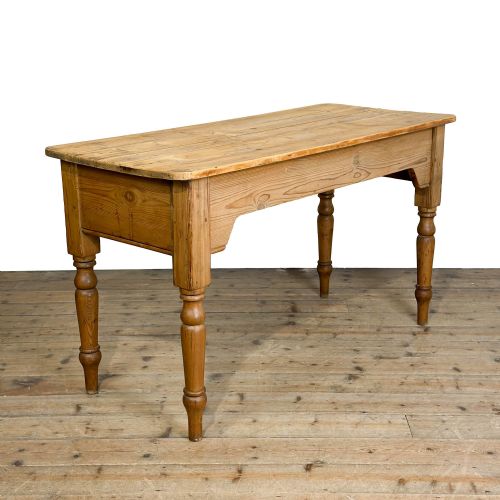
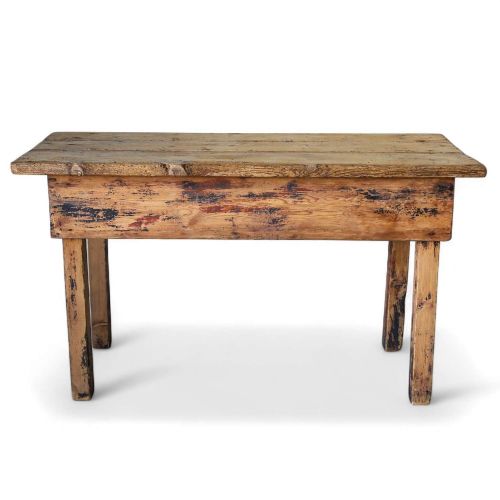
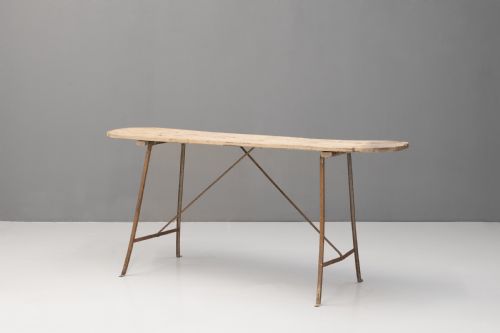
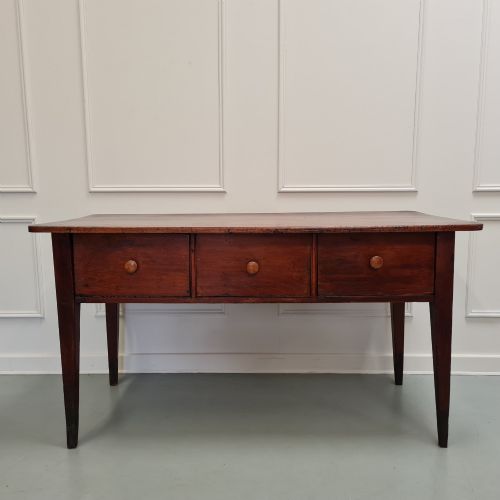
A pine wood console table bridges the gap between utilitarian workshop furniture and domestic display, often taking the form of narrow side tables, laundry tables, or modified workbenches. These pieces serve functional roles in hallways, kitchens, and living spaces where a shallow surface is required.
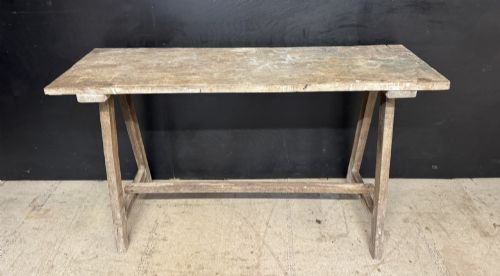
The selections span various regional traditions, notably French, Swedish, and English country pieces, alongside Victorian and Georgian examples. Buyers frequently encounter French trestle tables and scrubbed pine surfaces that reflect practical everyday use.
Makers historically produced these sturdy items from accessible softwood timber, resulting in functional furniture designed for daily labour rather than formal reception rooms. Today, they bring tactile grain and painted finishes into modern interiors.
Materials and Construction
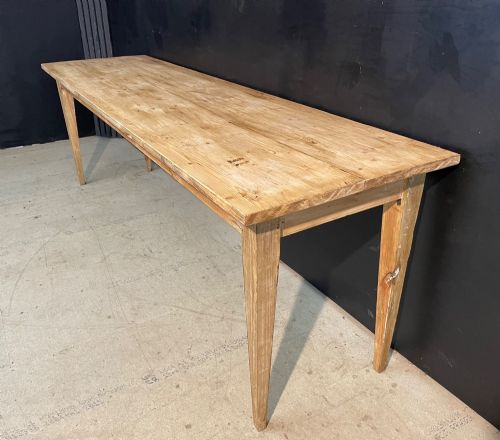
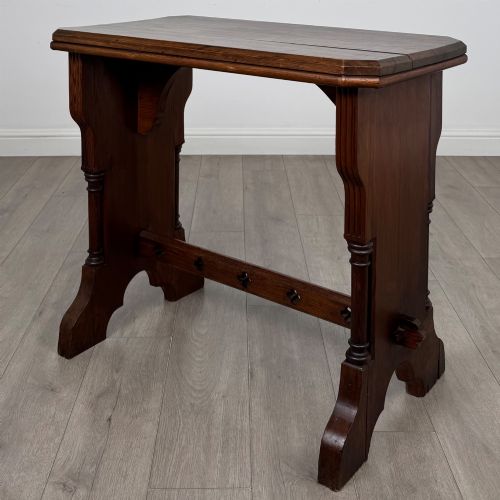
Construction relies heavily on pine timber, frequently accompanied by secondary woods such as oak and poplar, alongside functional iron and brass hardware. Cabinetmakers and carpenters built these tables for durability, often utilising thick plank tops supported by trestle bases or sturdy legs.
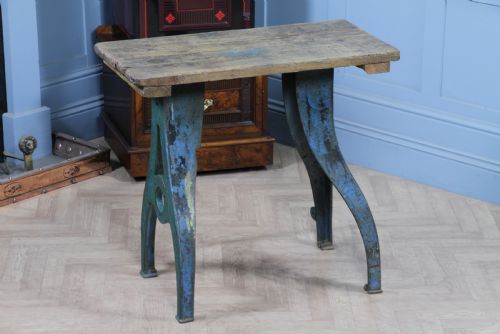
Surfaces show various treatments from early painted finishes to scrubbed natural timber and scraped patinas developed through generations of washing and use. Industrial variants incorporate reclaimed pine fixed to cast iron machine bases.
Pine Wood Console Retail Price Guide 2026
Typical asking prices for pine wood console among the pieces listed under this phrase on Sellingantiques today, from the lower quarter to the upper quarter. They describe what is for sale here now, not the wider market.
Assessing Quality and Character
Quality in these utility tables rests in the integrity of the original timber, the depth of the natural or historical patina, and the preservation of structural joints. Tables that retain their original scrubbed surface or untouched painted finish command greater interest from collectors.
Proportion and scale also separate standard utility items from finer examples, particularly where trestle designs or prolonged regional use have imparted distinctive wear. Alterations to height or depth diminish the historical coherence of the piece.
The Pine Wood Console Glossary
- Scrubbed pine
- Timber that has been repeatedly scoured with water and soap over decades, leaving a pale, clean grain with a smooth texture.
- Trestle table
- A form comprising two or more supports connected by a horizontal beam, offering maximum legroom beneath a long top.
- Potboard dresser base
- A heavy low sideboard featuring an open lower shelf traditionally used for storing earthenware and pots.
- Worktable
- A sturdy utilitarian table designed for kitchen preparation, laundry, or workshop tasks rather than formal dining.
- Patina
- The surface sheen and colour acquired by wood and paint through age, handling, and exposure to light.
Pine Wood Console: Frequently Asked Questions
How do I style a pine console?
Position the table in a hallway or living area against a neutral wall to let the timber grain or painted finish stand out. Keep the surface arrangement balanced with simple ceramics or lamps.
Avoid overcrowding the shallow surface so the structural form of the legs and top remains visible.
Are these tables suitable for kitchens?
Many of these pieces originated as work tables, laundry tables, or preparation surfaces, making them well-suited for modern kitchen environments. Their solid construction handles daily domestic activity with ease.
Use coasters and placemats to protect historic scrubbed or painted surfaces from moisture and heat damage.
How do I identify Swedish pine furniture?
Swedish pieces often feature pale pine timber, sometimes finished with traditional scraped paint layers that reveal earlier colour beneath. Their proportions tend to be clean and functional.
Look for regional joinery details and lighter wood tones that distinguish Scandinavian country furniture from English or French equivalents.
What is the difference between a console and a side table?
Console tables traditionally stood against walls, sometimes supported by brackets or distinct legs, while side tables functioned as movable pieces placed beside seating. In practical terms, both offer narrow surfaces for display.
Many antique examples overlap in form, serving equally well in hallways, dining rooms, or behind sofas.