
Pine Storage Trunk Chest
These pine storage trunk chests span the Georgian, Victorian, and Edwardian periods, offering robust utility and vernacular charm for domestic interiors.
Pine Storage Trunk Chest
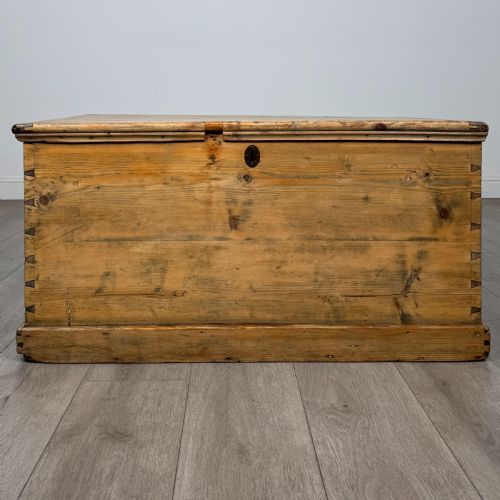
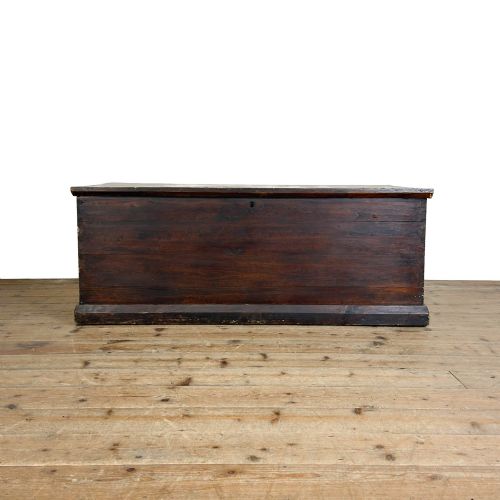
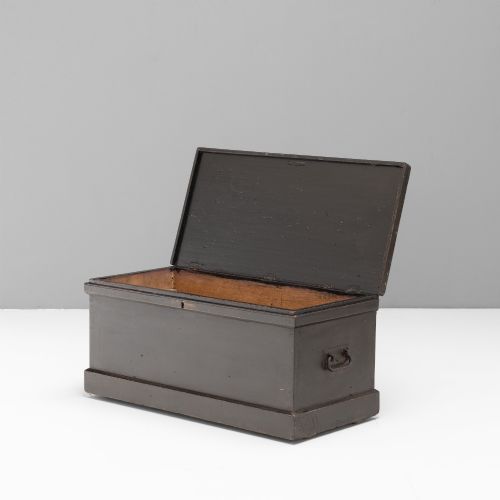
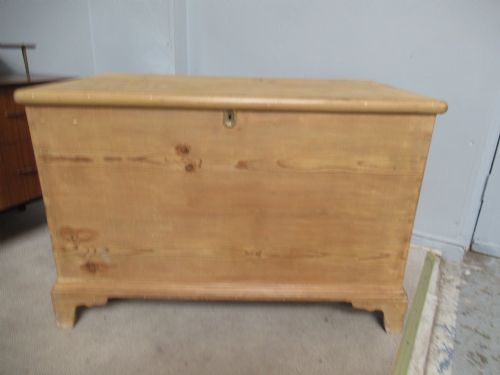
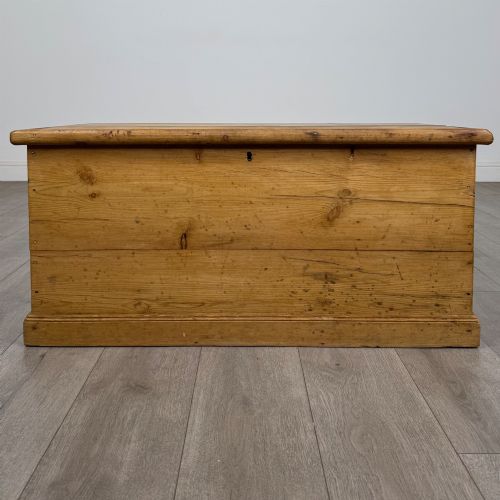
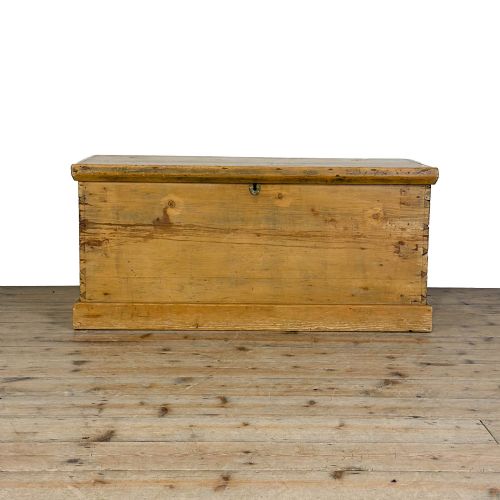
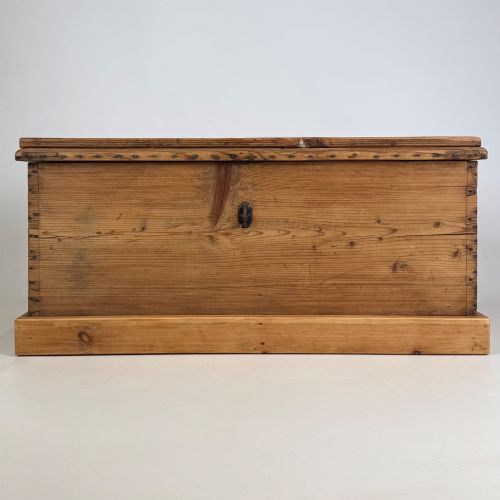
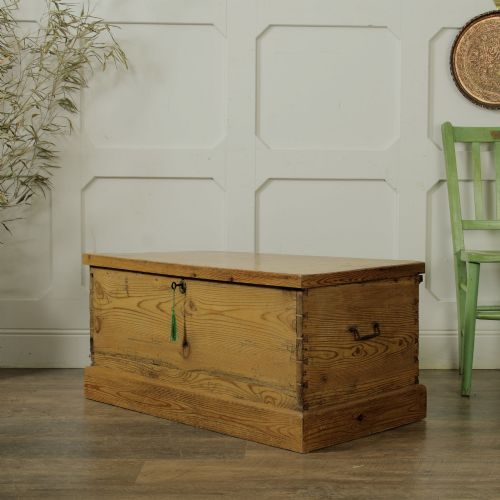
A pine storage trunk chest is a utilitarian wooden receptacle designed for holding blankets, tools, travel belongings, or household goods. The examples seen here range from simple domestic blanket boxes to heavy-duty campaign cases and painted marriage chests.
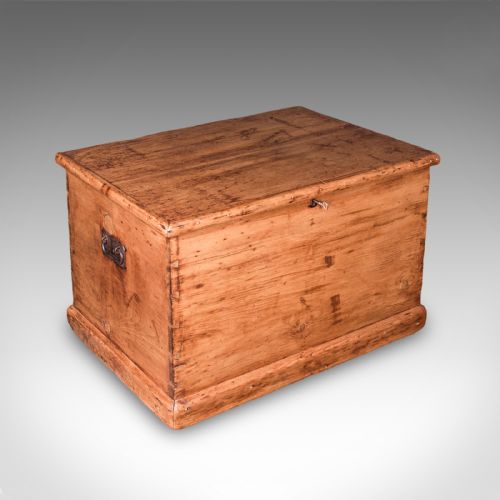
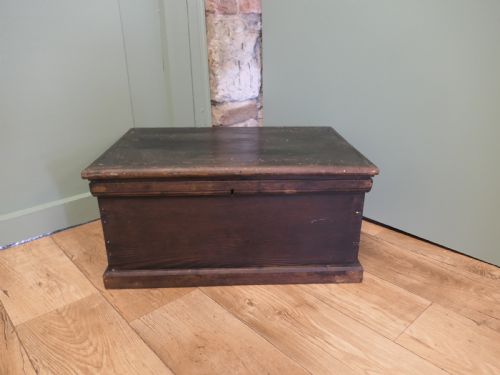
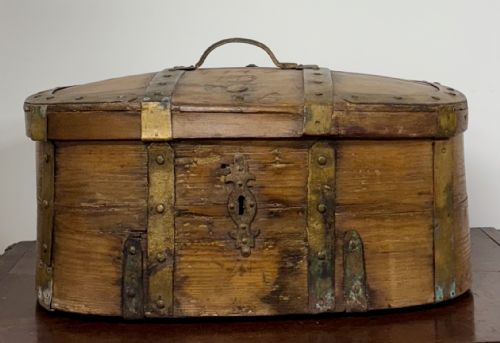
Victorian and nineteenth-century pieces dominate the selection, often featuring hinged lids and simple dovetailed construction. Alongside these are earlier Georgian and eighteenth-century coffers, as well as continental pieces from Scandinavia, France, and Hungary.
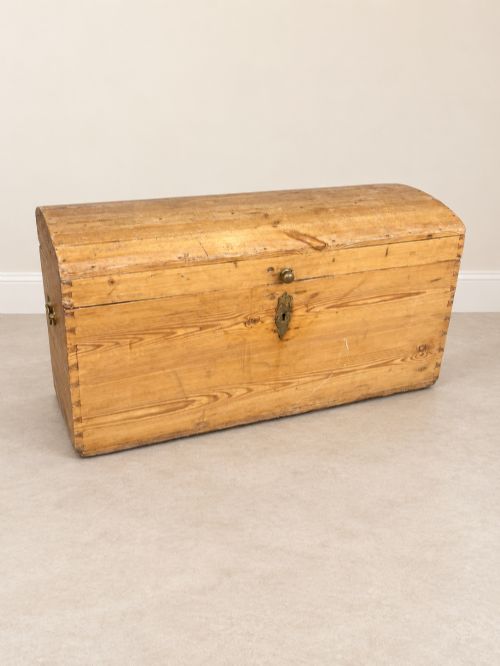
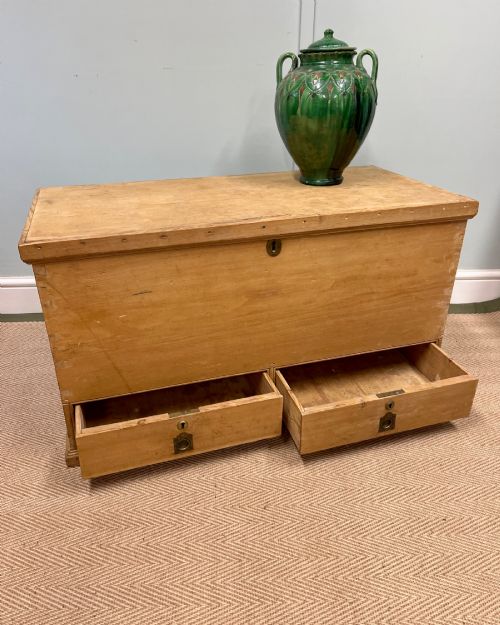
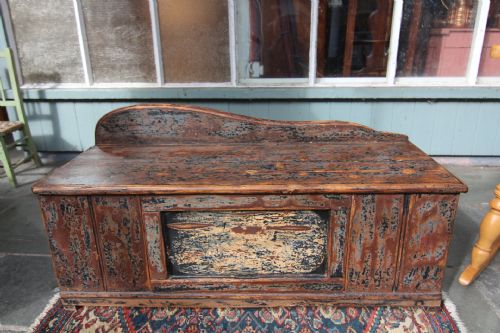
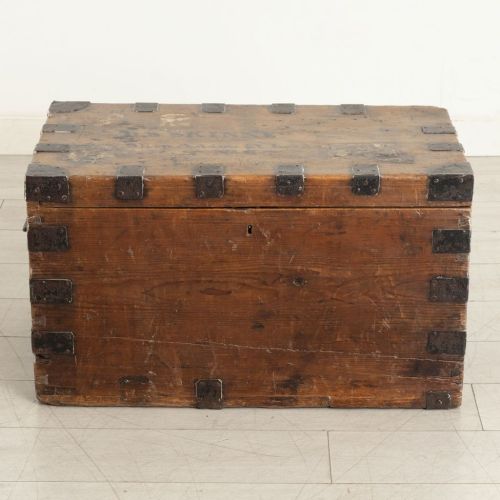
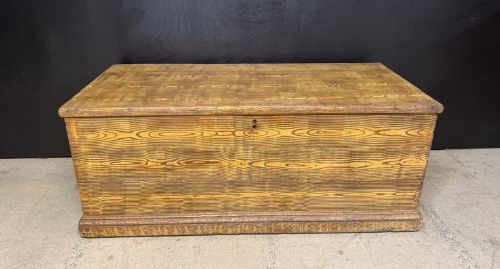
Forms vary from flat-topped blanket boxes to dome-topped travel trunks and mule chests fitted with internal drawers. Buyers encounter both stripped natural pine finishes and pieces retaining original paint, scumble finishes, or hand-forged iron strapwork.
How They Were Made
Construction relies primarily on solid pine and pitch pine, shaped into sturdy rectangular boxes with dovetailed corners to withstand heavy use. Carpenters utilised local softwoods, occasionally incorporating oak or Oregon pine depending on the region of origin.
Hardware played a crucial role in reinforcement and transport, featuring hand-forged iron strapwork, wrought iron brackets, and brass bindings. Surfaces were either left bare to develop a waxed patina or treated with paint, scumble glazes, and decorative motifs.
The listings feature pine storage trunk chests spanning the eighteenth, nineteenth, and early twentieth centuries, incorporating Georgian, Victorian, and Edwardian examples.
What Varies in Quality
Quality rests upon the integrity of the original construction, the presence of untouched surfaces, and functional additions like internal drawers or fitted compartments. Superior examples retain their original hinges, locks, and handles without excessive replacement timber.
The survival of original paintwork, folk art decoration, or early patination elevates a piece beyond standard utilitarian boxes. Conversely, heavy alterations, stripped surfaces on items originally painted, or structural degradation diminish the historical character.
The Pine Storage Trunk Chest Glossary
- Mule chest
- A storage chest featuring one or more drawers beneath the main lift-top compartment. This form bridges the traditional blanket box and the chest of drawers.
- Scumble pine
- Pine treated with a translucent glaze layer manipulated with combs or brushes to imitate denser grained woods. It creates a decorative mottled surface texture.
- Strapwork
- Flat metal bands fixed across the exterior of a chest to reinforce joints and corners. Hand-forged iron examples are typical on earlier travel and transport trunks.
- Pitch pine
- A resinous variety of pine noted for its durability and distinct grain pattern. It appears frequently in nineteenth-century travel and trade trunks.
- Coffer
- A heavy wooden box traditionally used for valuables and storage before the widespread use of closets. They often feature robust boarded construction and iron hardware.
Pine Storage Trunk Chest: Frequently Asked Questions
What is a mule chest?
A mule chest combines a traditional lift-top blanket box with one or more drawers built into the base. This hybrid form gained popularity as makers sought to improve accessibility to stored items.
They serve practical storage functions in modern homes while displaying transitional vernacular woodworking styles from the Georgian and Victorian eras.
How do I care for a waxed pine trunk?
Maintain waxed pine surfaces by applying a traditional beeswax polish sparingly and buffing with a soft cloth. Avoid placing these chests near direct heat sources or in damp environments to prevent wood splitting.
Regular gentle care preserves the natural patina accumulated over centuries of domestic use.
Are painted pine chests authentic?
Many nineteenth-century and continental trunks retain their original paint, scumble finishes, or folk art decoration. Paint application varied from simple estate-made coats to elaborate Scandinavian marriage chest designs.
Examining the underlying wood and pigment wear helps distinguish original decorative surfaces from later applications.
What were campaign chests used for?
Campaign chests and transport cases were built for officers and travellers on the move during the nineteenth century. They feature robust iron or brass hardware designed to withstand rough transit.
These durable boxes now function as statement coffee tables or deep storage units in contemporary spaces.