





Pine Pedestal Table
A pine pedestal table brings enduring utility and warmth to a room, offering sturdy charm through timber construction.
Pine Pedestal Table
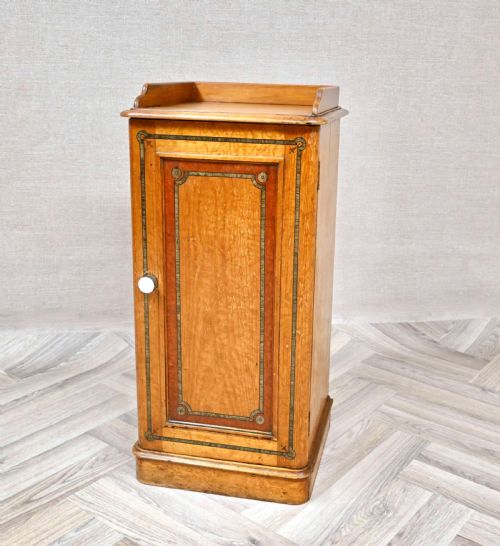
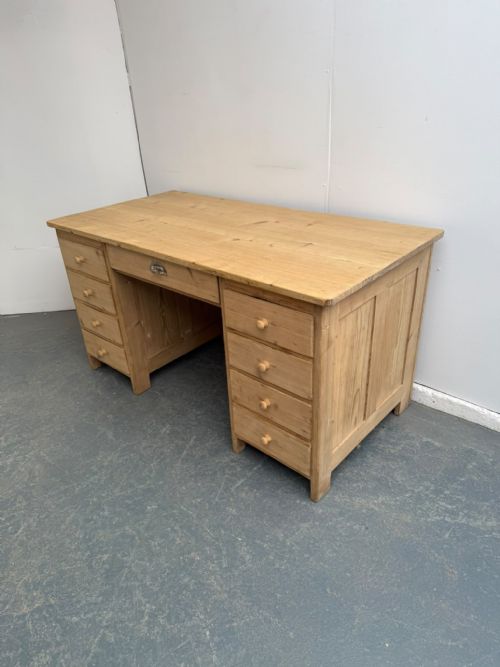
A pine pedestal table brings together utilitarian design and domestic warmth, often appearing in forms such as desks, writing tables, and bedside cabinets. Buyers exploring this phrase will frequently encounter Victorian and Edwardian examples alongside 19th-century country pieces.
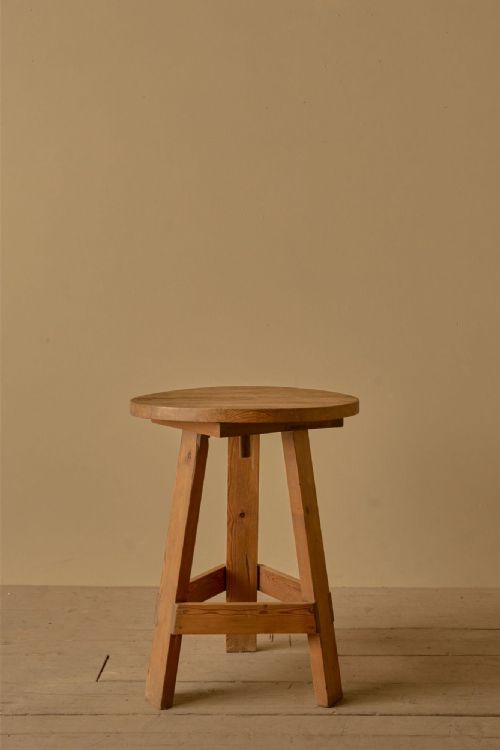
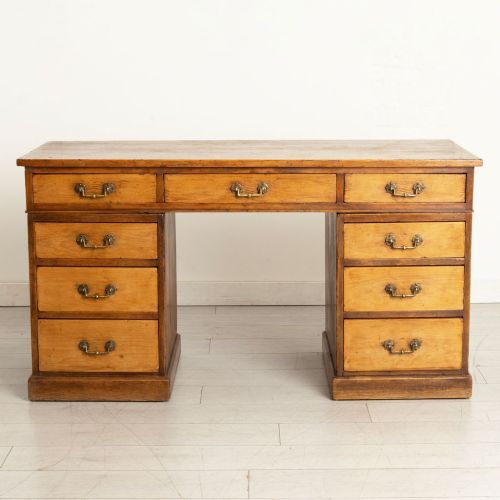
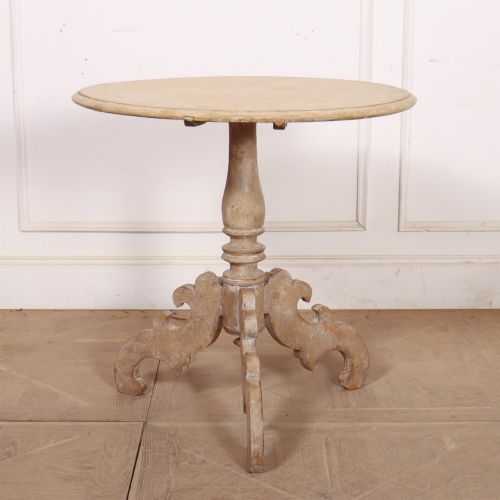
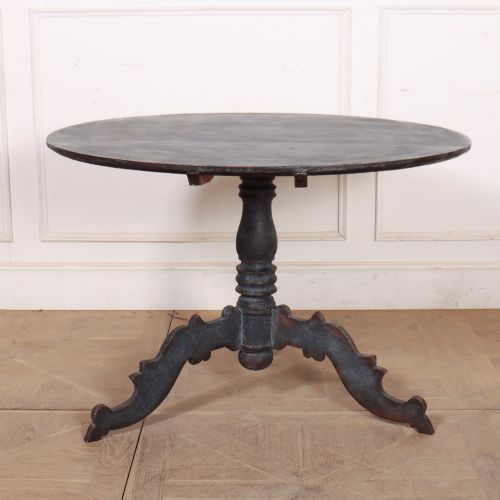
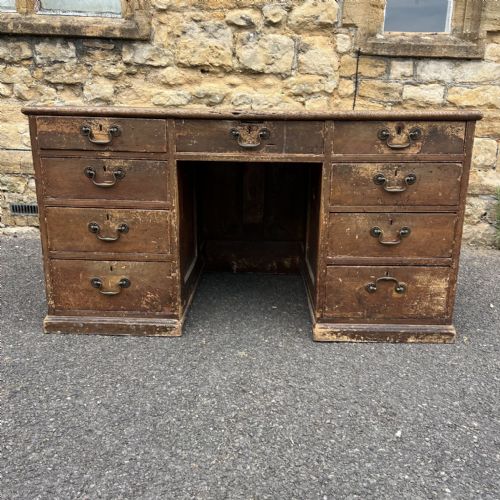
The selection ranges from heavy pitch pine office partners desks to painted Scandinavian lamp tables and sculptors stands. These items served functional roles in estate offices, kitchens, and studies, reflecting diverse regional traditions.
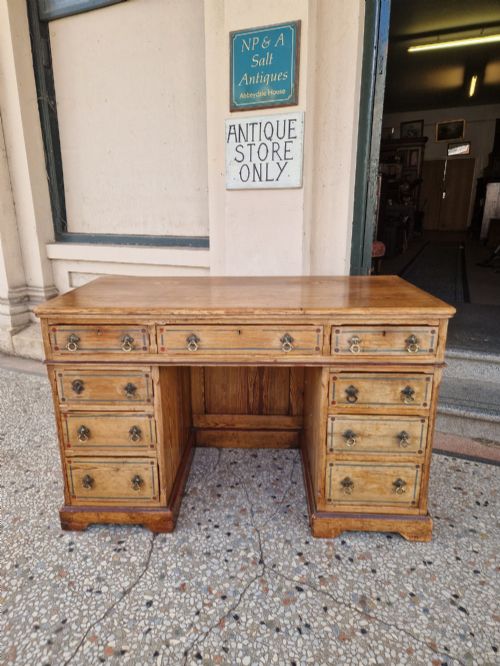
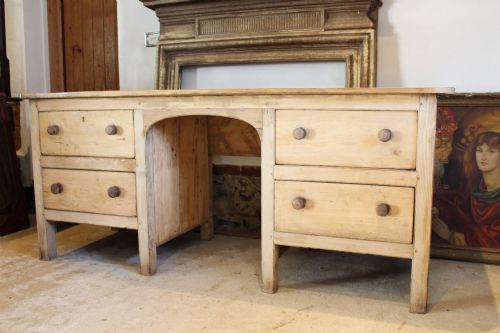
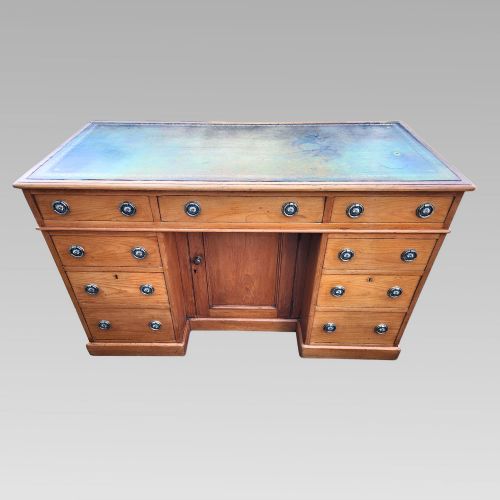
Simpler rustic farmhouse variations sit alongside more formal kneehole writing tables fitted with multiple drawers. Each piece demonstrates how softwood timber adapted to both working environments and domestic interiors across the 19th and early 20th centuries.
Materials and construction
Constructed primarily from pine and pitch pine, these pieces frequently incorporate secondary timbers such as oak, sycamore, and brass hardware. Cabinetmakers utilised durable softwood for main structures and drawer linings, applying paint, graining, or wax finishes.
Joinery methods reflect the period of manufacture, ranging from utilitarian rustic joints in 18th-century country pieces to panelled construction in Victorian office desks. Original stencilled decoration and painted surfaces demonstrate the variety of finishes applied to the timber.
Pine Pedestal Table Retail Price Guide 2026
Typical asking prices for pine pedestal table among the pieces listed under this phrase on Sellingantiques today, from the lower quarter to the upper quarter. They describe what is for sale here now, not the wider market.
Listings span the 18th, 19th, and early 20th centuries, featuring pine, pitch pine, oak, and iron across various desk and table forms.
Judging quality and character
Quality rests in the structural integrity of the pedestal base and the selection of timber, distinguishing heavy pitch pine office furniture from lighter painted occasional pieces. Superior examples display thoughtful proportions, sound joinery, and well-figured grain.
The presence of original fittings, stencilled decoration, and unaltered painted surfaces elevates an item above standard utility wares. Condition relates directly to how well the softwood has aged and whether original hardware remains intact.
The Pine Pedestal Table Glossary
- Pitch pine
- A dense, resinous variety of pine known for its durability and prominent grain pattern, frequently utilised in heavy Victorian desks.
- Kneehole desk
- A desk or table featuring a central recess for the legs, flanked by pedestals containing drawers or cupboards.
- Refractory table
- A large dining table design characterised by a long, narrow top supported by sturdy trestles or pedestals.
- Graining
- A decorative paint technique applied to imitate the appearance of more expensive hardwood timbers.
- Partners desk
- A large double-sided desk designed for two people to work opposite one another, typically fitted with pedestals of drawers.
Pine Pedestal Table: Frequently Asked Questions
What periods do these tables cover?
The available selection spans from the late 18th century through the Victorian and Edwardian eras into the early 20th century.
Most pieces date from the 19th century, reflecting the widespread domestic and commercial use of softwood during that period.
How were pedestal desks used?
Pedestal desks served as administrative hubs in estate offices, studies, and Victorian businesses.
The banks of drawers provided secure storage for documents while the central kneehole allowed comfortable seating.
Can I use these tables in a kitchen?
Many pine and pitch pine tables function effectively as kitchen islands or dining surfaces.
Their robust construction handles daily domestic activity while the timber adds natural texture to interior spaces.
Are painted finishes original?
Some pieces retain original stencilled decoration or painted surfaces, particularly Scandinavian and country examples.
Other items show traces of later paint or wax applied to nourish the softwood over generations of use.