


Pine Ottoman Storage
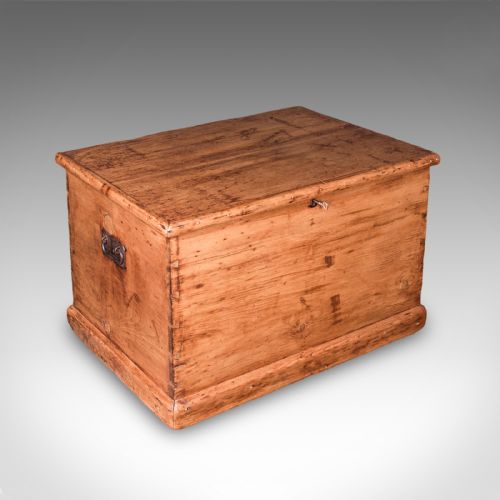
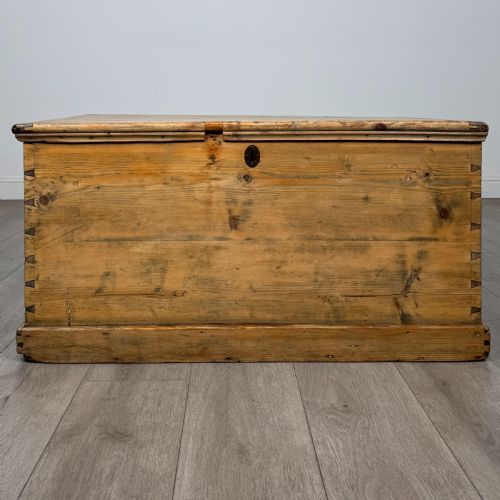
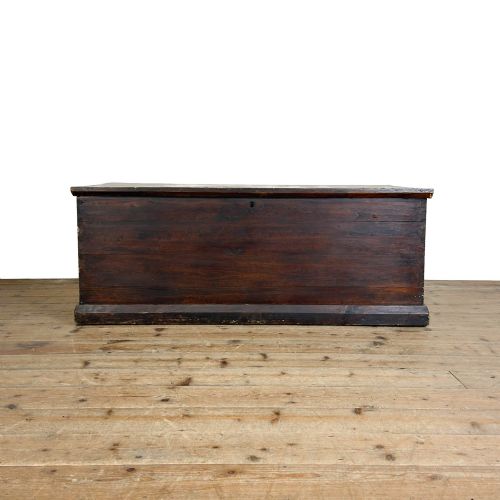
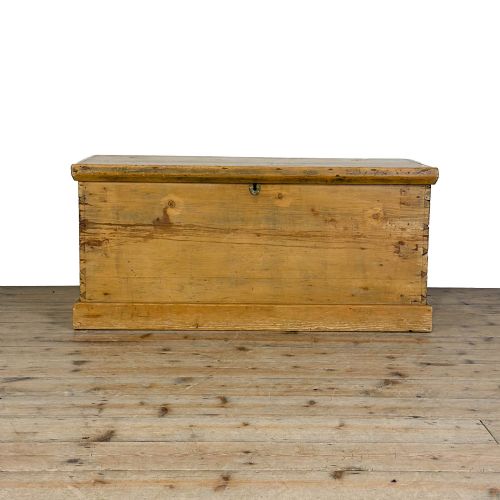
These pine ottoman storage pieces are sturdy nineteenth century boxes and trunks built to hold blankets and household goods.
Pine Ottoman Storage
When you search for pine ottoman storage, you find a selection of nineteenth century boxes, trunks, and mule chests designed for practical household use. These items serve today as functional storage trunks, blanket boxes, and even low coffee tables in sitting rooms.
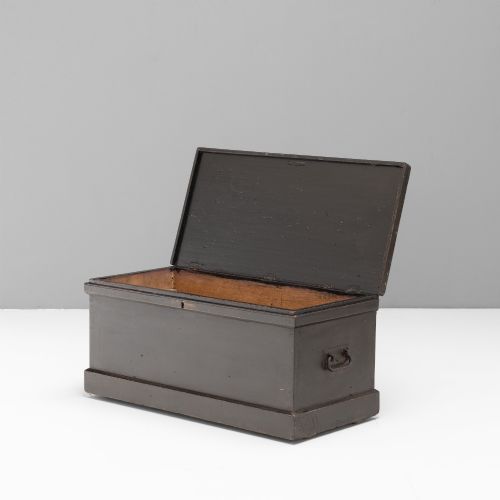
The pieces on offer span the Victorian period and the early twentieth century, including dated examples from eighteen eighty up to nineteen twenty. Rustic country styles and plain waxed finishes predominate among the listings, alongside occasional painted or fabric-upholstered variants.
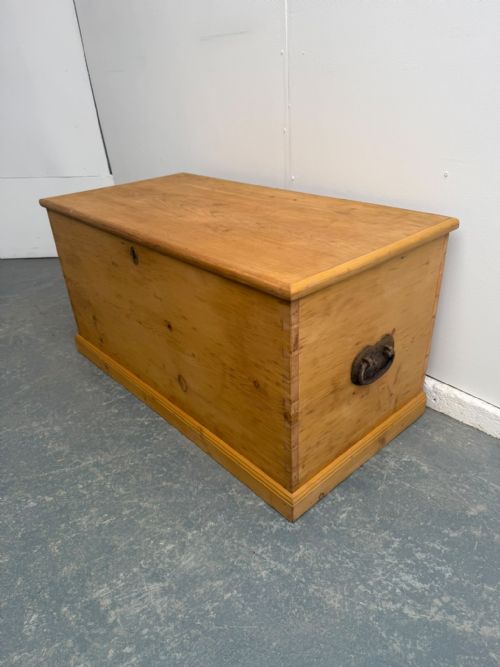
Forms range from simple pine boxes to large storage chests fitted with side lifting handles and working locks. Certain low and wide formats double naturally as coffee tables while retaining their original enclosed storage capacity.
How they were made
Construction relies primarily on solid pine timbers, jointed to create deep and durable storage boxes that withstand daily use. Makers frequently finished these surfaces with wax, polish, or paint to protect the wood and enhance the grain.
Hardware details involve iron and brass components, such as working locks and side lifting handles that facilitated moving the heavy chests. Internal linings occasionally incorporate baize or felt, while select Victorian examples feature fabric upholstery applied over the pine structure.
Some nineteenth century trunks come fitted with side lifting handles, reminding us that moving a heavy blanket box once required a team effort.
What varies in quality
Quality differences lie in the scale of the timber and the presence of original hardware like working locks and solid brass or iron handles. Larger, heavier trunks with clean waxed surfaces and intact internal linings sit at the higher end of the range.
Design variations also influence appeal, particularly where mule chests incorporate lower drawers or proportions lend themselves to secondary uses such as coffee tables. Simpler boxes show a utilitarian build, whereas larger polished or painted blanket boxes display more refined surface treatments.
The Pine Ottoman Storage Glossary
- Mule chest
- A traditional storage chest featuring one or more drawers beneath the main lift-top compartment. This form bridges the gap between a simple blanket box and a chest of drawers.
- Baize
- A coarse woolen material resembling felt, frequently used to line the interiors of nineteenth-century boxes and trunks. It protects stored textiles from snagging against rough timber.
- Kist
- A traditional regional term for a heavy wooden storage chest or box. These sturdy receptacles were standard household items for holding linens and personal possessions.
- Waxed finish
- A protective surface treatment rubbed into the pine to nourish the wood and impart a soft sheen. This traditional finish highlights the natural grain and knots of the timber.
Pine Ottoman Storage: Frequently Asked Questions
What is a pine ottoman storage chest?
A pine ottoman storage chest is a nineteenth century wooden box or trunk utilised primarily for holding blankets and household linens. These sturdy containers combine deep internal capacity with a hinged lid.
Today, buyers place them in bedrooms and living areas to keep clutter hidden while adding a rustic period accent to the room.
How were antique pine trunks used?
Historically, these trunks served as robust luggage and domestic storage for clothes, blankets, and personal valuables. Their solid pine construction allowed them to withstand frequent transport and heavy household loads.
In modern homes, they function effectively as coffee tables, toy boxes, or general storage furniture that conceals everyday items.
Can I use a pine chest as a coffee table?
Certain low and wide pine boxes are well suited to serving as coffee tables in a sitting room. Their flat tops provide a stable surface for books and mugs while the interior remains accessible for storage.
Checking the height and dimensions ensures the box sits comfortably alongside your existing seating.
How do I identify a Victorian pine trunk?
Victorian pine trunks typically feature solid timber construction joined with traditional methods, often accompanied by iron or brass side lifting handles and working locks. The wood usually bears a waxed, polished, or painted finish characteristic of the nineteenth century.
Looking at the weight, timber thickness, and hardware style helps distinguish these period pieces from modern reproductions.