


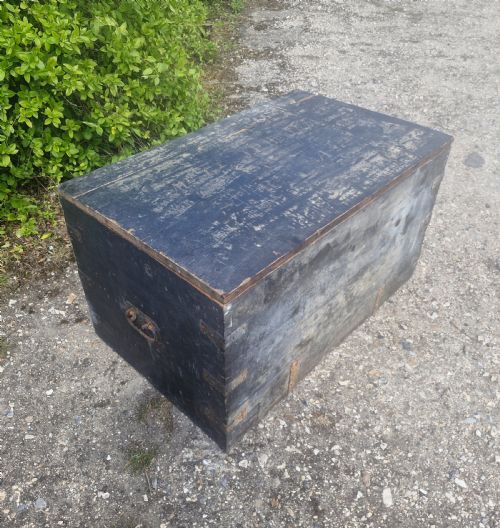


Pine Military Chest
These pine military chest examples combine utilitarian purpose with travel-ready design, offering robust storage solutions shaped by active service.
Pine Military Chest
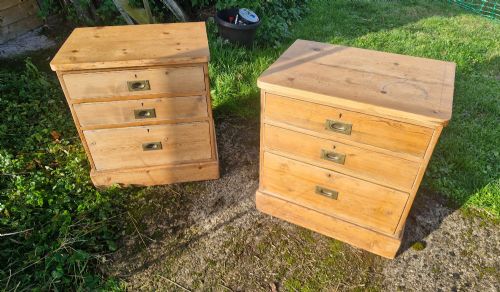
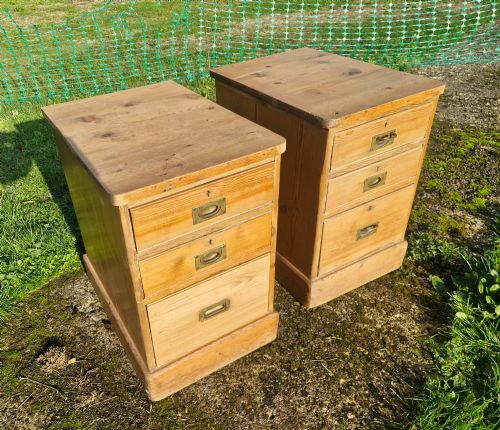
A pine military chest serves as practical transportable storage created for officers, regiments, and campaigns. Surviving examples reflect the functional demands of movement across land and sea during periods of active deployment.
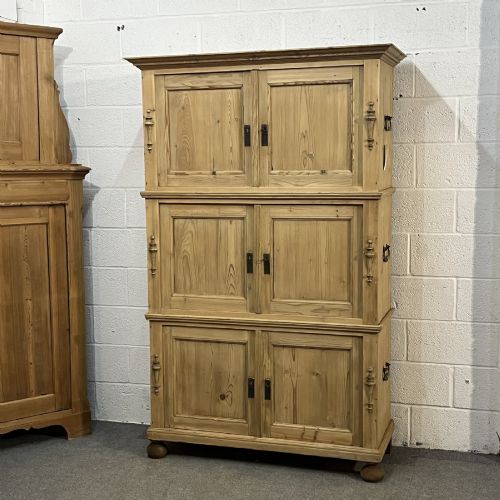
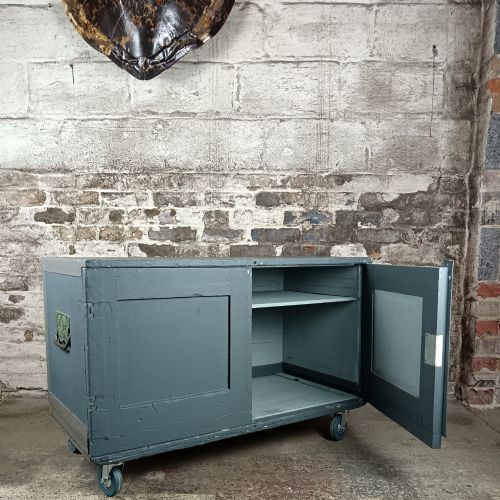
Most pieces seen here date from the nineteenth century, including specific Victorian military and maritime contexts, alongside later industrial and Edwardian adaptations. Forms range from chests of drawers and campaign cupboards to ammunition cases, packing trunks, and tool boxes.
Buyers encounter solid pine and pitch pine constructions, often fitted with brass hardware or iron reinforcement designed to withstand rough handling. These utilitarian objects bridge domestic storage and active service history.
How they were made
Makers utilised solid pine and pitch pine to build carcases capable of enduring the strains of transport. Surfaces received protective layers of paint in certain examples, or remained exposed to show the grain of the timber.
Metal reinforcement was essential to structural integrity, incorporating iron and brass fittings to protect corners and secure lids. Brass bound edges and secure latch mechanisms allowed chests to double as packing cases and furniture on campaign.
Pine Military Chest Retail Price Guide 2026
Typical asking prices for pine military chest among the pieces listed under this phrase on Sellingantiques today, from the lower quarter to the upper quarter. They describe what is for sale here now, not the wider market.
Tool boxes built for the Gnome Et Le Rhone Engine Company reveal that even French aviation mechanics needed rugged wooden lodging for their spanners.
What varies in quality
The standard of construction depends upon the original purpose of the trunk, distinguishing rough ammunition cases from fitted campaign chests of drawers. Finer pieces display careful joinery and integrated hardware designed for officers rather than general stores.
Preservation of original brass or iron fittings and surviving regimental paint marks dictates historical interest. Alterations or replacement hardware alter the character of a piece away from its active service origins.
The Pine Military Chest Glossary
- Campaign chest
- A chest of drawers or storage box built in sections with recessed handles for ease of transport during military deployment. These pieces split into halves or smaller segments to fit pack animals or wagons.
- Pitch pine
- A dense, resinous softwood utilised for strength and durability in furniture subject to heavy wear. This timber resists moisture better than standard softwoods.
- Brass bound
- Furniture edged or reinforced with brass strips and corner pieces to protect against impact damage during travel. This technique adds both structural rigidity and decorative contrast to the timber.
- Ammunition case
- A heavy-duty wooden box constructed specifically to store and transport munitions safely. These utilitarian containers often feature reinforced corners and stencilled regimental markings.
Pine Military Chest: Frequently Asked Questions
What is a pine military chest?
A pine military chest is a portable storage box or cabinet built for use by soldiers and officers on campaign. These pieces range from ammunition boxes to fitted chests of drawers designed to travel.
Constructed from sturdy timbers like pine and pitch pine, they feature protective metal fittings to survive rough transport conditions. Their design prioritises durability and space efficiency.
How do I date a campaign chest?
Dating relies on construction methods, timber choice, and historical markers such as regimental inscriptions or brass stamps. Nineteenth-century examples often exhibit specific campaign styles and iron or brass hardware appropriate to their era.
Later pieces from the Edwardian period or World War context show shifts toward industrial utility. Comparing the style of handles and locks helps narrow the manufacturing period.
Were these chests used in battle?
Many examples saw active deployment with regiments, accompanying troops on maritime voyages and land campaigns. Trunks often bear marks of service, including unit names and transport labels.
Some containers served specialised roles such as tool storage for engine companies or holding ammunition supplies. Others functioned as personal wardrobes for officers in the field.
How should I clean a pine military chest?
Maintenance requires gentle dusting and occasional application of appropriate wax to nourish the pine timber without altering its surface history. Scrubbing or harsh chemical cleaners should be avoided to preserve original paint and patination.
Metal fittings benefit from careful cleaning to remove active corrosion while retaining the dark oxidation acquired over decades of handling. Keeping the timber away from extreme humidity prevents the wood from warping.