

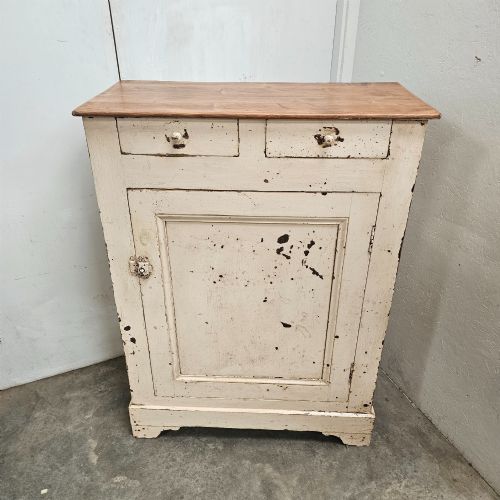
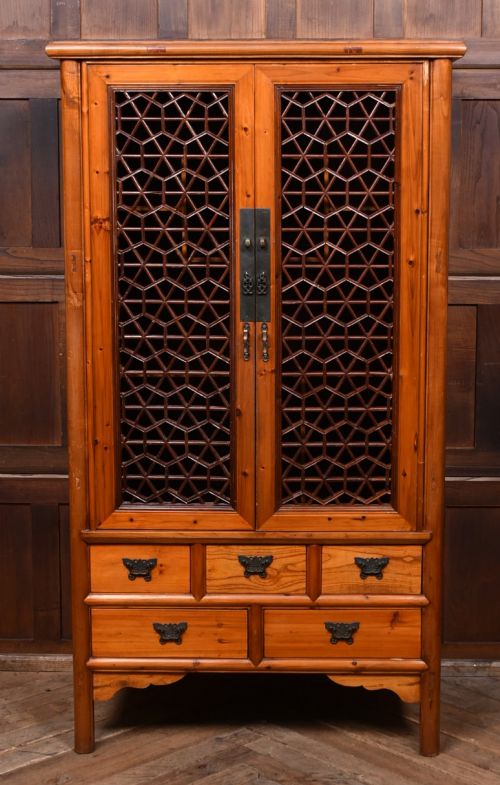


Pine Kitchen Storage Chest
These pine kitchen storage chests and related utilitarian cabinets offer honest domestic utility, bringing practical period storage and warmth to a room.
Pine Kitchen Storage Chest
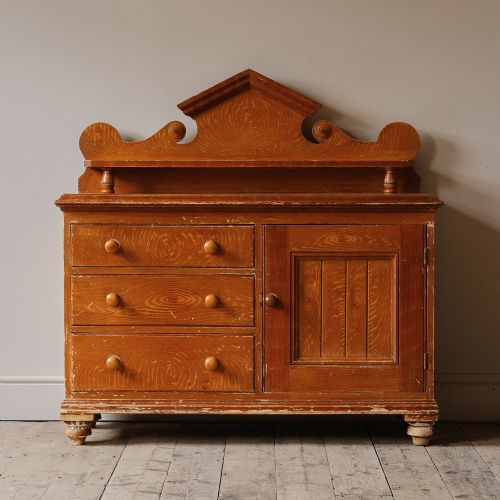
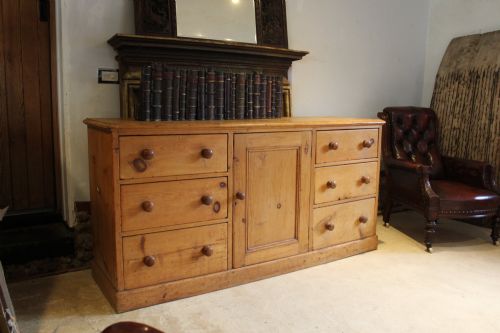
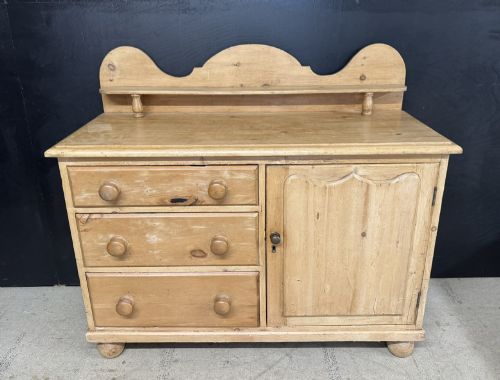
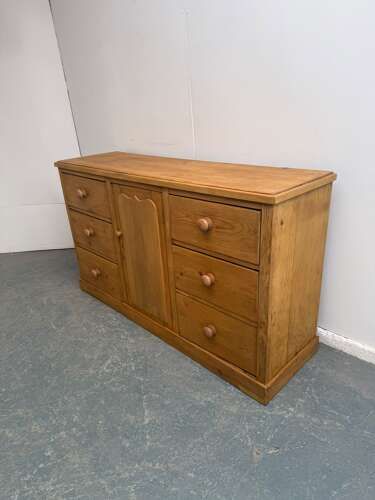
A pine kitchen storage chest or related utilitarian furniture piece represents the practical side of historical domestic life, spanning centuries of service from provincial homes to country houses. When searching for a pine kitchen storage chest, buyers encounter a diverse selection of regional forms including dresser bases, housekeeper cupboards, larder cupboards, and specialised bins. These items emerge from various periods, with nineteenth-century Victorian examples appearing alongside earlier eighteenth-century pieces and later twentieth-century iterations.
The practical nature of these items means they were built to hold provisions, linens, or daily kitchen necessities rather than merely to display wealth. Regional variations span English country pieces, French provincial confituriers, Hungarian shop fittings, and Japanese larder cupboards, showing how different cultures addressed storage needs in wood. Most examples on this page reflect solid pine construction, frequently paired with iron, brass, or cedar elements, often carrying original paint finishes or a waxed surface.
How they were made
Makers constructed these storage pieces predominantly from solid pine, often utilising oak or cedar for internal elements or contrasting details. Metal components such as iron banding and brass hardware provided structural reinforcement and functional operation for doors, drawers, and lids.
Surface treatments recorded in the evidence range from original paint finishes and painted white surfaces to stripped pine and traditional waxed treatments. Joinery methods served strict utilitarian purposes, creating sturdy carcasses capable of enduring heavy daily use in kitchens, larders, and country houses.
Pine Kitchen Storage Chest Retail Price Guide 2026
Typical asking prices for pine kitchen storage chest among the pieces listed under this phrase on Sellingantiques today, from the lower quarter to the upper quarter. They describe what is for sale here now, not the wider market.
Listings feature items spanning the eighteenth century, the Victorian era, and the nineteen-thirties.
What varies in quality
The distinction between a standard utility piece and a finer example lies in the integrity of the original construction and the survival of authentic surface treatments. Pieces retaining their original paint or early waxed finishes carry greater character than those stripped down or repeatedly refinished over generations.
Proportion, timber selection, and the quality of hardware such as iron banding or brass fittings further separate ordinary utilitarian items from superior examples. The presence of secondary timbers like oak or cedar in structural or decorative roles also points to a more considered original commission.
The Pine Kitchen Storage Chest Glossary
- Pine
- A softwood utilised extensively for utilitarian furniture due to its availability and workability. It forms the primary material foundation for the pieces on this page.
- Dresser base
- A lower kitchen or dining room storage unit featuring drawers and cupboards beneath a flat top. These provide substantial surface area alongside enclosed storage.
- Housekeeper's cupboard
- A large storage cabinet traditionally used for linens, dry goods, and household provisions. These tall pieces offer deep internal capacity.
- Confiturier
- A French provincial jam cupboard designed for storing preserves and household provisions. These smaller cabinets typically feature a single door and compact proportions.
- Log bin
- A heavy container reinforced with metal bands for holding firewood near a hearth. These items combine timber construction with iron hardware for durability.
Pine Kitchen Storage Chest: Frequently Asked Questions
What is a pine kitchen storage chest?
A pine kitchen storage chest is a utilitarian wooden furniture piece designed for holding provisions, linens, or household goods in domestic spaces. These items encompass a range of functional forms including dresser bases, cupboards, and bins.
Constructed primarily from solid pine with occasional iron or brass hardware, these pieces reflect the practical storage needs of historical domestic and country environments.
How were these storage chests used historically?
Historically, these pieces served hardworking roles in kitchens, pantries, and larders for organising food supplies, utensils, and textiles. Their robust construction handled daily demands in busy households, country houses, and provincial settings.
Over time, many transitioned from purely utilitarian back-of-house service to prominent display and storage roles in modern living spaces.
How do I identify eighteenth-century pine furniture?
Eighteenth-century pine pieces often exhibit construction methods, timber patination, and wear patterns distinct from later Victorian or twentieth-century equivalents. Examining the joinery and material surfaces reveals the age and working history of the item.
Earlier examples may feature specific regional proportions and hand-wrought iron components that differ from mass-produced nineteenth-century hardware.
How do I care for waxed or painted pine?
Waxed pine benefits from occasional application of traditional beeswax to nourish the timber and maintain a soft protective sheen. Avoid placing these pieces in areas with direct heat sources or rapid humidity changes to protect the wood.
Painted surfaces require gentle dusting with a dry cloth and protection from moisture to preserve the original pigment and finish.