
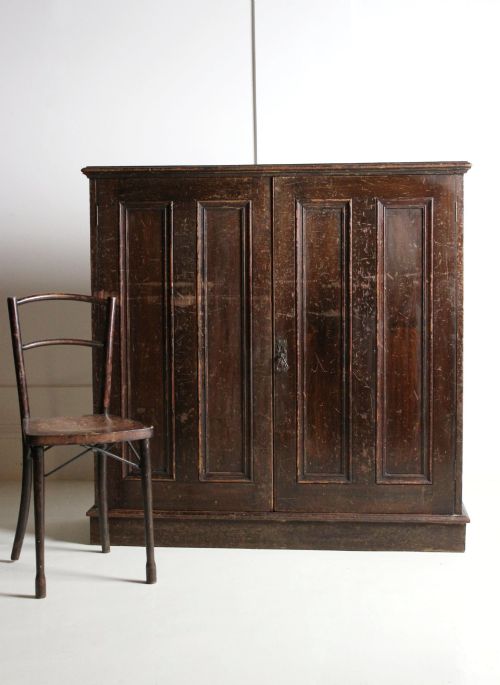
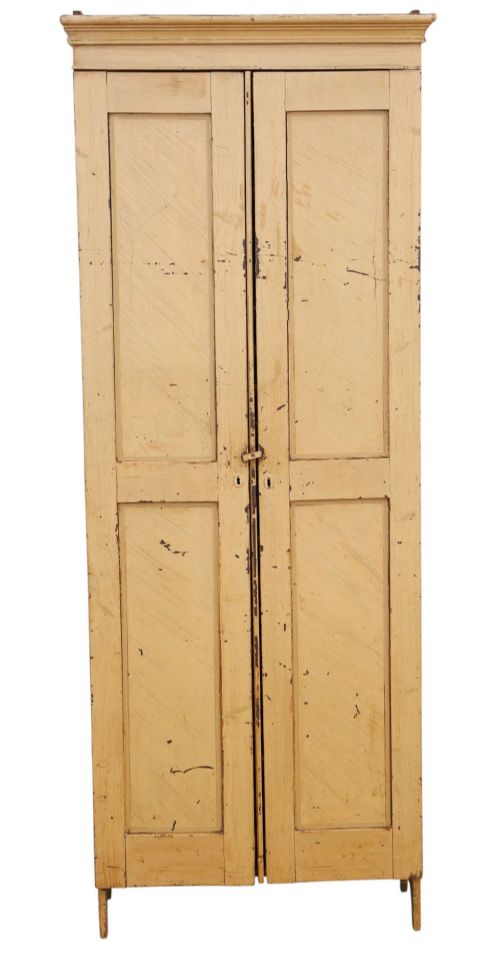
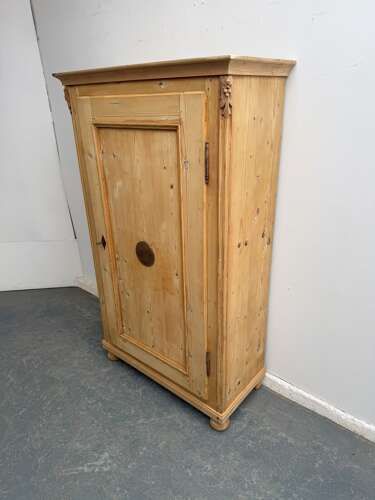
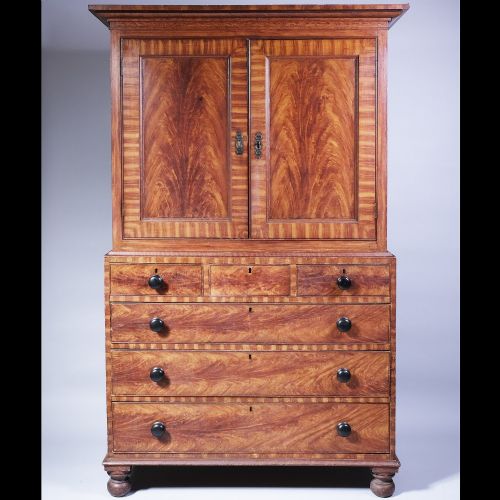


Pine Food Pantry Cupboard
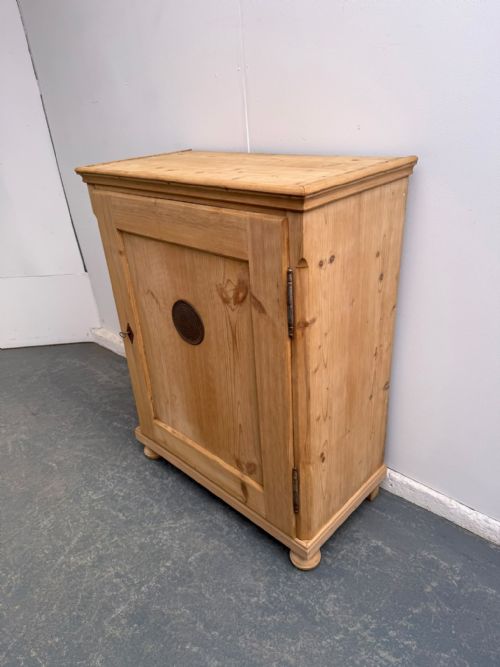
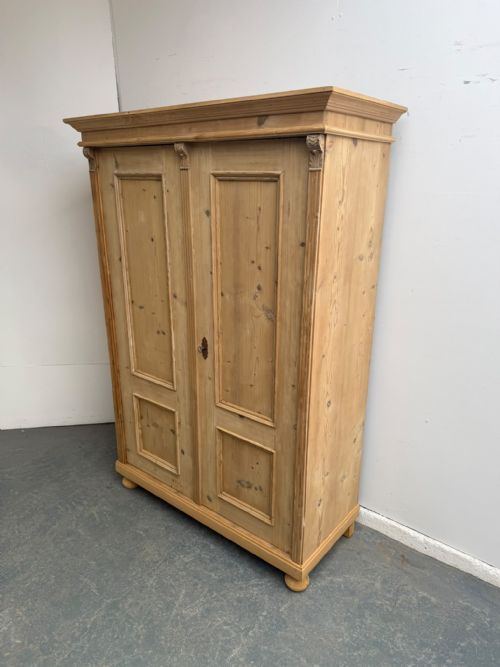
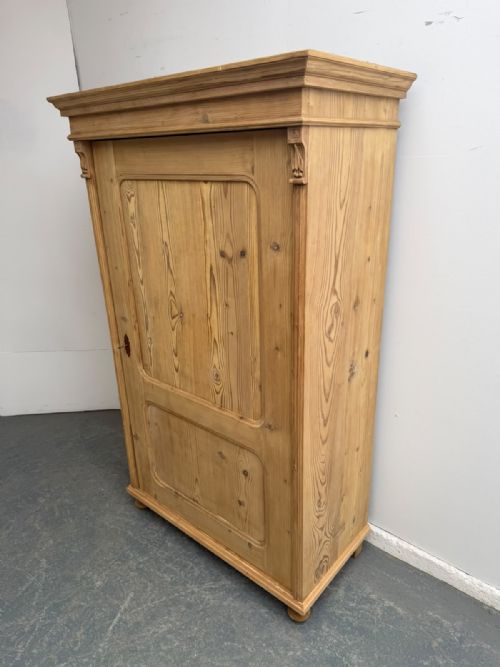
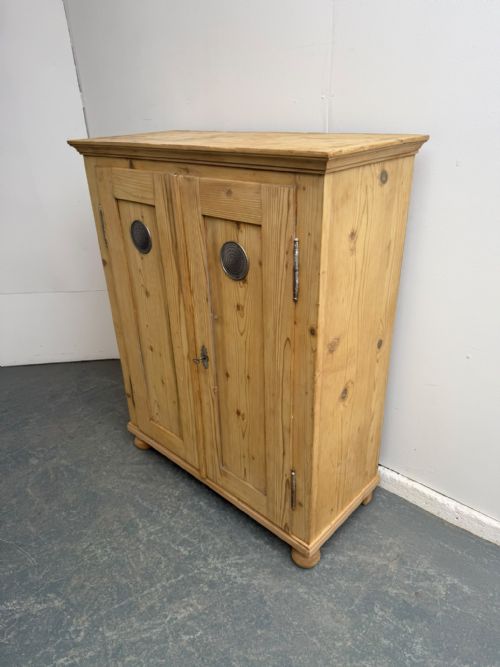
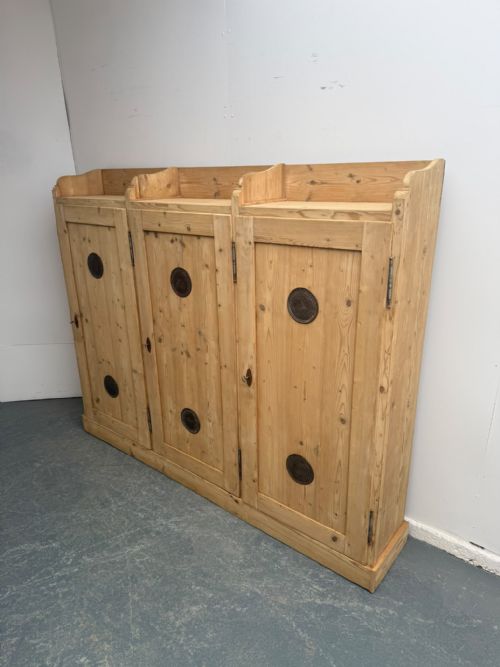
A pine food pantry cupboard is a practical piece of vernacular storage furniture built to keep provisions fresh.
Pine Food Pantry Cupboard
A pine food pantry cupboard serves as a utilitarian storage cabinet designed for domestic provisions, appearing frequently in country and vernacular styles. These pieces range from tall kitchen larders to lower storage units, reflecting the domestic needs of households from the eighteenth century through to the early twentieth century.
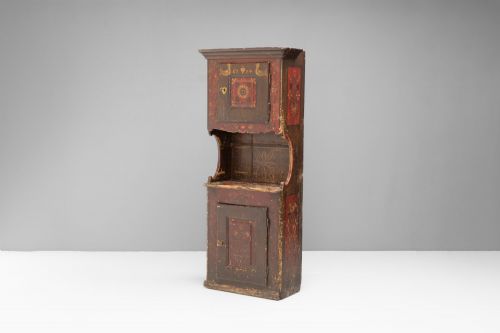
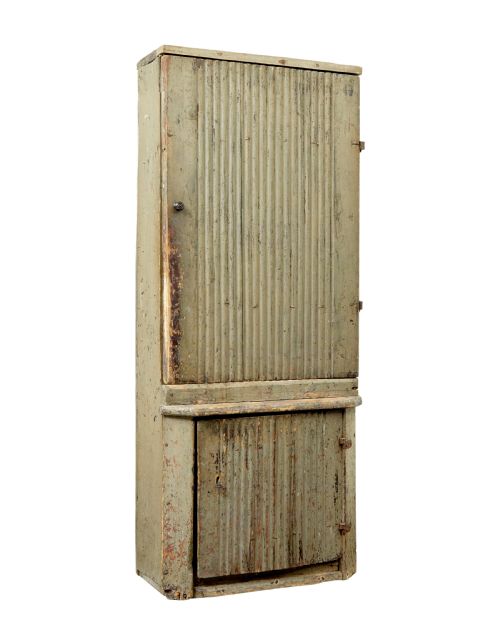
The versions most commonly met on this page span the Victorian and nineteenth-century periods, often originating from British, Scandinavian, or East European workshops. They take forms such as vented cupboards, housekeepers cupboards, and bread and cheese cupboards, constructed to hold dry goods and household linen.
How they were made
These cupboards are built primarily from solid pine, sometimes accompanied by cedar, and held together with iron, brass, or general metal hardware. Construction methods rely on traditional carpentry techniques suited to functional domestic furniture.
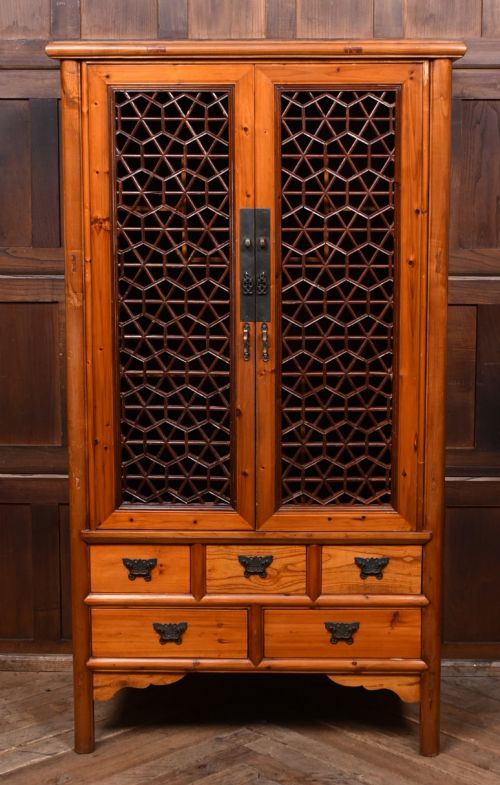
Surface finishes vary significantly across the pieces, with many examples featuring original or later paint, scumble finishes, or plain stained and waxed timber surfaces. Ventilation is often integrated through pierced panels or wire mesh doors designed to keep food supplies aerated.
Some cupboards still whisper of old farmhouse cheese long after the dairy has moved out.
What varies in quality
Quality in these cupboards rests primarily on the integrity of the timber, the proportion of the structure, and the survival of original surface treatments such as historic paint or scumble. Pieces that retain their original hardware, hinges, and working locks demonstrate superior authenticity.
The refinement of the joinery and the regional vernacular detailing also distinguish standard utility pieces from more ambitious country workshop creations. Proportion matters greatly, with shallow, tall, or particularly balanced proportions commanding higher regard among buyers.
The Pine Food Pantry Cupboard Glossary
- Pine
- A softwood commonly used for vernacular furniture due to its availability and workability. It forms the primary structural material for the vast majority of these cupboards.
- Scumble painted
- A decorative surface technique where a translucent glaze is manipulated over a lighter base coat to imitate grain. It was frequently applied to nineteenth-century pine furniture.
- Housekeepers cupboard
- A large storage piece traditionally used for linens, dry goods, and domestic supplies. These combine tall cupboard doors with lower drawer configurations.
- Vented cupboard
- A cabinet featuring pierced timber panels, slats, or wire mesh inserts to allow air circulation. This design prevented spoilage when storing food in early pantries.
- Bread and cheese cupboard
- A regional vernacular storage cabinet designed specifically for preserving basic foodstuffs. They often incorporate ventilated doors for temperature control.
Pine Food Pantry Cupboard: Frequently Asked Questions
What is a pine food pantry cupboard?
A pine food pantry cupboard is a utilitarian storage unit built to house provisions and household goods in domestic settings.
These pieces use natural timber and functional ventilation to keep stored items organised and aerated before modern refrigeration.
How do I date an old pine cupboard?
Dating relies on examining construction methods, ironmongery, timber characteristics, and stylistic vernacular details from specific periods.
Nineteenth-century examples often show machine-sawn elements alongside hand-planed surfaces, while eighteenth-century pieces display entirely hand- wrought joinery.
Where were these cupboards made?
These utility cupboards were produced in local workshops across Britain, Scandinavia, Eastern Europe, and beyond.
Regional carpentry traditions dictated the specific proportions, panel designs, and paint finishes found on each piece.
How do I care for a painted pine cupboard?
Maintenance involves keeping the furniture away from direct heat sources and sudden humidity changes to protect the timber and historic paint.
Routine dusting with a dry cloth is sufficient, avoiding harsh chemical cleaners that can damage aged surface finishes.